Whole-Food Plant-Based Diet Plan: 7-Day Budget Meal Plan
A comprehensive 7-day meal plan and beginner's guide to thriving on whole foods from plants for better health and weight management.
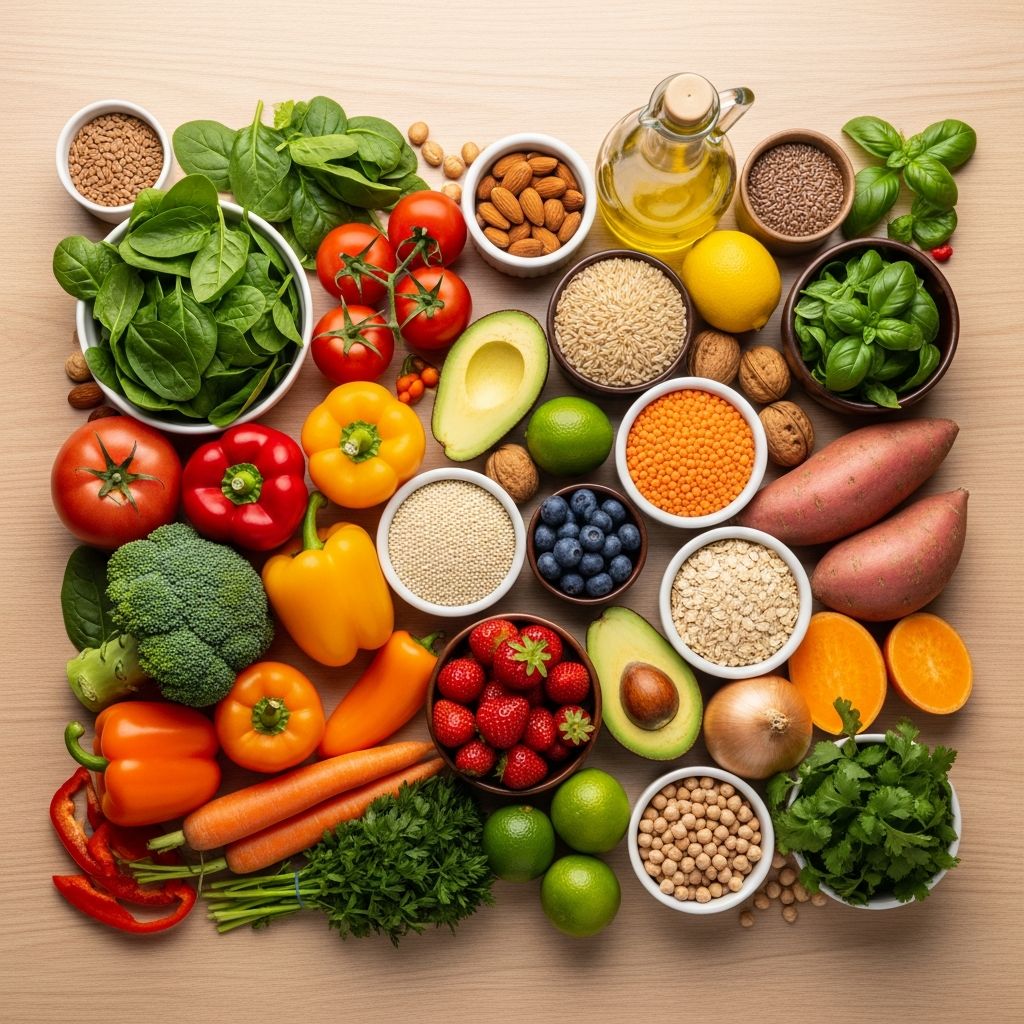
A whole-food plant-based (WFPB) diet emphasizes unprocessed foods from plants like fruits, vegetables, whole grains, legumes, nuts, and seeds while excluding or minimizing animal products, oils, sugars, and refined foods. This approach maximizes nutrient density, fiber intake, and antioxidants for optimal health.
What Is a Whole-Food Plant-Based Diet?
A
whole-food plant-based diet
focuses on natural, minimally processed plant foods. It eliminates animal products such as meat, poultry, fish, eggs, dairy, and honey, and limits oils, added sugars, and highly processed items. Unlike veganism, which is primarily dietary, WFPB prioritizes whole foods for their high fiber, low saturated fat, cholesterol-free profile, and rich vitamins, minerals, and antioxidants.Core principles include:
- Whole grains: Quinoa, brown rice, oats, barley, whole wheat.
- Vegetables: Leafy greens, cruciferous veggies, roots like potatoes and carrots.
- Fruits: Berries, apples, citrus, bananas.
- Legumes: Beans, lentils, chickpeas, peas.
- Nuts and seeds: In moderation due to calorie density—almonds, chia, flax.
This diet promotes satiety through low-calorie density and high volume, aiding weight management without calorie counting.
Health Benefits of a WFPB Diet
Research shows WFPB diets lower risks of chronic diseases. They reduce cardiovascular disease by improving cholesterol and blood pressure, with a 2021 review of 99 studies linking plant-rich diets to lower heart disease risk compared to meat-heavy ones. For
type 2 diabetes
, plant-based eating improves insulin sensitivity and A1C levels more effectively than standard recommendations.Additional benefits include:
- Weight loss and maintenance due to high fiber and low calorie density.
- Reduced inflammation, better energy, and chronic disease prevention like certain cancers.
- Improved kidney and liver function, lower arthritis rates.
- Environmental savings: lighter footprint and cost reductions up to $750/year per person.
A study on underserved patients showed WFPB interventions improved metabolic markers like weight, A1C, and cholesterol post-intervention. Cleveland Clinic experts note it prevents illnesses and enhances well-being regardless of starting age.
How to Start a Whole-Food Plant-Based Diet
Transition gradually: Eliminate one animal product weekly, like dairy first, then meat. Include all plant food groups per meal: protein (legumes), fruits, veggies, fats (avocado/nuts), grains. Flexitarian approaches allow occasional animal products. Stock staples: oats, beans, rice, potatoes, frozen produce for affordability.
Sample daily structure:
- Breakfast: Oatmeal with fruits.
- Lunch: Bean salad with greens.
- Dinner: Stir-fried veggies over grains.
- Snacks: Fruit, nuts.
7-Day Whole-Food Plant-Based Meal Plan
This 1,800–2,000 calorie plan is nutrient-packed, easy to prepare, and uses budget-friendly ingredients. Adjust portions as needed. Daily averages: high fiber (40g+), low fat.
| Day | Breakfast | Lunch | Dinner | Snacks |
|---|---|---|---|---|
| Day 1 | Oatmeal with berries, chia seeds, almond milk | Lentil soup with spinach salad | Quinoa-stuffed bell peppers with black beans | Apple, handful almonds |
| Day 2 | Smoothie: banana, spinach, peanut butter, soy milk | Chickpea salad wrap in lettuce leaves | Brown rice stir-fry with broccoli, carrots, tofu | Carrot sticks, hummus |
| Day 3 | Whole-grain toast with avocado, tomatoes | Black bean burger on greens | Sweet potato lentil curry | Orange, pumpkin seeds |
| Day 4 | Chia pudding with mango | Quinoa tabbouleh with cucumber | Veggie pasta with tomato-lentil sauce (whole-wheat) | Banana, walnuts |
| Day 5 | Overnight oats with apple, cinnamon | Kale and white bean soup | Baked falafel with tahini drizzle, salad | Pear, flaxseeds |
| Day 6 | Green smoothie bowl with toppings | Hummus veggie platter | Stuffed zucchini with rice and mushrooms | Grapes, sunflower seeds |
| Day 7 | Buckwheat porridge with peaches | Three-bean salad | Cauliflower steak with herb sauce, potatoes | Bell pepper strips, edamame |
Related Stories



Grocery List for the Week
Organized by store section for efficiency. Focus on bulk buys for savings.
- Produce: Spinach (2 bunches), kale, broccoli (2 heads), carrots (2 lbs), bell peppers (6), tomatoes (6), avocados (3), bananas (7), berries (2 pints), apples (6), leafy greens.
- Grains: Oats (1 lb), quinoa (1 lb), brown rice (1 lb), whole-wheat pasta (1 box).
- Legumes: Lentils (1 lb dry), black beans (2 cans or 1 lb dry), chickpeas (2 cans), white beans (1 can).
- Nuts/Seeds: Almonds (4 oz), chia (4 oz), flax (4 oz), peanut butter (no oil).
- Other: Plant milks (unsweetened), tofu (2 packs), frozen fruits/veggies, herbs/spices, sweet potatoes (4).
Total estimated cost: $50–70 for one person, emphasizing affordable staples like beans and potatoes.
Simple WFPB Recipes
Lentil Soup (Day 1 Lunch, 4 servings)
Ingredients: 1 cup lentils, 1 onion, 2 carrots, 4 cups veg broth, spinach, spices.
Instructions: Sauté onion/carrots (water instead of oil), add lentils/broth, simmer 25 min, stir in spinach. Per serving: 250 cal, 18g protein.
Quinoa-Stuffed Peppers (Day 1 Dinner, 4 servings)
Ingredients: 4 peppers, 1 cup quinoa, 1 can black beans, corn, spices.
Instructions: Cook quinoa, mix with beans/corn, stuff peppers, bake 30 min at 375°F. Per serving: 350 cal, 15g protein.
Sweet Potato Lentil Curry (Day 3 Dinner, 4 servings)
Ingredients: 2 sweet potatoes, 1 cup lentils, coconut milk (light, no oil), curry powder, veggies.
Instructions: Simmer all 30 min. Per serving: 400 cal, high fiber.
These no-oil recipes highlight simple, flavorful meals.
Tips for Success on a WFPB Diet
- Meal prep: Batch-cook grains/legumes Sundays.
- Hydration: Drink water; herbal teas.
- Moderation: Limit nuts/seeds to 1–2 oz/day.
- Dining out: Choose salads, grain bowls; ask for no oil.
- Nutrient focus: B12 supplement, iodine from sea veggies; protein from diverse plants.
- Budget hacks: Buy frozen/dry goods, seasonal produce.
Common Challenges and Solutions
| Challenge | Solution |
|---|---|
| Feeling hungry | Increase volume: Add more veggies, eat until full. |
| Missing variety | Experiment with spices, international recipes. |
| Social eating | Potluck plant dishes; communicate preferences. |
| Protein concerns | Legumes provide ample; 0.8g/kg body weight easy. |
Frequently Asked Questions
Is WFPB the same as vegan?
No, vegan avoids animal products ethically; WFPB emphasizes whole, unprocessed plants for health.
Can I lose weight on WFPB?
Yes, due to low calorie density and high satiety; studies show easier weight loss without tracking.
Do I need supplements?
Commonly B12; others if needed. Consult a doctor.
Is it kid/family-friendly?
Yes, with gradual intro and kid-approved recipes like smoothies.
How does it affect cholesterol?
Significantly lowers LDL; cholesterol-free plants help.
References
- Is a Whole Foods, Plant-Based Diet Right for You? — Cleveland Clinic. 2023-10-12. https://health.clevelandclinic.org/whole-food-plant-based-diet
- The Beginner’s Guide to a Whole-Food, Plant-Based Diet — Forks Over Knives. 2024-01-15. https://shop.forksoverknives.com/pages/beginner-guide
- Impact of a Whole-Foods, Plant-Based Nutrition Intervention on Metabolic Markers — PMC (NCBI). 2022-05-20. https://pmc.ncbi.nlm.nih.gov/articles/PMC9189580/
- Whole Food, Plant-Based Diet Guide — Center for Nutrition Studies. 2023-08-05. https://nutritionstudies.org/whole-food-plant-based-diet-guide/
- The Benefits of Plant-Based Nutrition — American College of Lifestyle Medicine. 2024-02-10. https://lifestylemedicine.org/benefits-plant-based-nutrition/
- Eating on a Budget: Whole Food Plant-Based — CPGH (PDF). 2024-09-01. https://www.cpgh.org/wp-content/uploads/2024/09/ACLM-Eating-on-a-Budget-small.pdf
Similar Articles








Read full bio of medha deb