Whooping Cough (Pertussis): Symptoms, Causes & Treatment
Learn about whooping cough symptoms, transmission, diagnosis, and antibiotic treatment options.
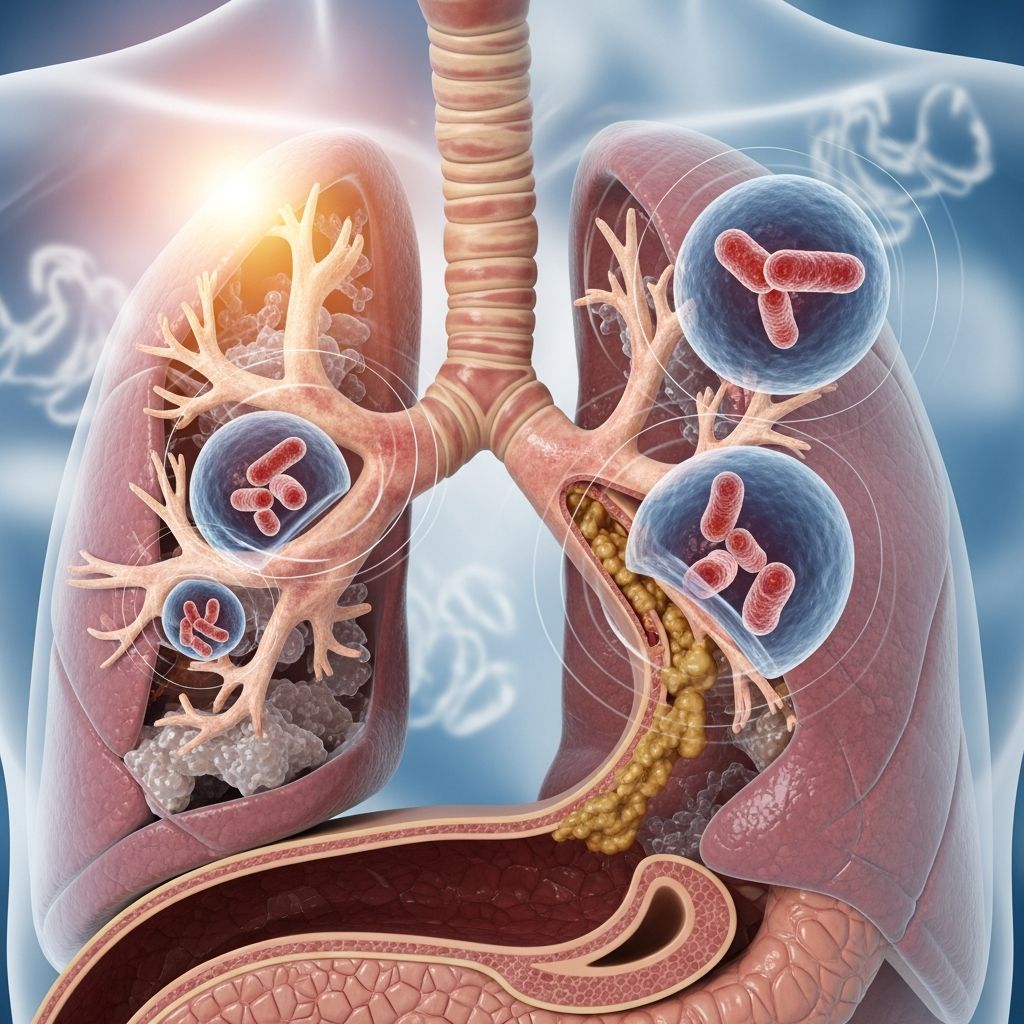
Understanding Whooping Cough (Pertussis)
Whooping cough, medically known as pertussis or commonly referred to as the “100-day cough,” is a highly contagious respiratory infection that affects people of all ages. The condition is characterized by severe coughing fits that often produce a distinctive high-pitched “whoop” sound as infected individuals gasp for air between coughs. While pertussis can develop in anyone, it causes the most severe and potentially life-threatening symptoms in infants and very young children who have not yet completed their vaccination series. Understanding this disease is crucial for early recognition and prompt treatment to prevent serious complications and reduce transmission to vulnerable populations.
What Causes Whooping Cough
Whooping cough is caused by a bacterium called Bordetella pertussis. When this bacteria enters the respiratory system, it attaches to the tiny, hair-like structures called cilia that line the upper respiratory tract, including the nose, mouth, throat, and voice box. Once attached, the bacteria release toxins that damage these cilia and cause the airways to become inflamed and swollen. This damage leads to excessive mucus production within the airways, which triggers the severe, uncontrollable coughing episodes characteristic of the disease. The inflammation and mucus accumulation are what make the cough so persistent and difficult to manage, even after antibiotic treatment has eliminated the bacterial infection.
How Whooping Cough Spreads
Whooping cough spreads from person to person through respiratory droplets that are expelled when an infected individual coughs or sneezes. These infectious droplets can travel through the air and be inhaled by nearby people, making close contact with an infected person the primary transmission route. The incubation period—the time between exposure to the bacteria and the appearance of symptoms—typically ranges from five to ten days, though it can extend as long as three weeks. This variable incubation period means that individuals may unknowingly spread the infection to others before they realize they have pertussis. Healthcare workers and family members caring for infected individuals are at particular risk if they have not been vaccinated or recently boosted.
Recognizing Symptoms of Pertussis
The symptoms of whooping cough typically develop progressively and can vary depending on the patient’s age, vaccination status, and immune condition. The disease generally progresses through distinct stages, with the catarrhal stage occurring first, followed by the paroxysmal stage, and finally the convalescent stage.
Early Stage Symptoms
During the initial catarrhal stage, which lasts approximately one to two weeks, whooping cough resembles a common cold. Patients may experience mild cough, runny nose, sneezing, and low-grade fever. Many people during this stage do not realize they have pertussis and may unknowingly transmit the infection to others. This similarity to common cold symptoms often leads to delayed diagnosis.
Paroxysmal Stage Symptoms
The paroxysmal stage, which can last two to eight weeks or longer, is when the characteristic whooping cough develops. During this stage, patients experience severe coughing fits with rapid succession coughs that may cause them to turn red or even purple from lack of oxygen. The distinctive “whoop” sound occurs as the patient gasps for breath between cough spasms. Many patients experience post-tussive vomiting—vomiting that occurs immediately after a coughing fit—making eating and drinking difficult. Exhaustion from the severe coughing is common, and in some cases, the intense coughing can lead to complications such as rib fractures, urinary incontinence, or even hernia development.
Related Stories



Convalescent Stage
The convalescent or recovery stage begins after the severe coughing fits subside, though a lingering cough may persist for weeks or even months. During this phase, patients gradually regain their strength and energy.
How Healthcare Providers Diagnose Whooping Cough
Early and accurate diagnosis of whooping cough is essential for starting timely treatment and preventing transmission. Healthcare providers use several diagnostic methods to confirm pertussis:
Clinical History and Examination
Doctors begin by taking a detailed medical history, asking specifically about recent exposure to individuals with whooping cough or chronic cough. They also perform a physical examination and listen carefully to the patient’s cough pattern and respiratory sounds. Providing your healthcare provider with information about potential exposures helps them make an accurate diagnosis more quickly.
Laboratory Testing
To confirm the diagnosis, healthcare providers may order laboratory tests. Nasopharyngeal swabs or aspirates can be cultured to identify Bordetella pertussis bacteria. Polymerase chain reaction (PCR) testing can detect the bacterial DNA and is often more sensitive and rapid than culture methods. Serological testing, which looks for antibodies against pertussis toxin or other bacterial antigens in the blood, may also be used, particularly in patients later in the disease course when bacterial culture is less likely to be positive.
Treatment Options for Whooping Cough
Prompt antibiotic treatment is the cornerstone of whooping cough management. The effectiveness of treatment depends significantly on when antibiotics are started in relation to symptom onset.
Antibiotic Treatment
Healthcare providers treat whooping cough with macrolide antibiotics, which are the most effective and commonly prescribed options. The primary antibiotics used include:
- Azithromycin – Often the first-line choice due to good efficacy and tolerability
- Clarithromycin – An effective alternative macrolide antibiotic
- Erythromycin – Another macrolide option, particularly used in specific patient populations
It is critical to take antibiotics exactly as prescribed by your healthcare provider. The sooner treatment begins, the more effectively it can help reduce symptom severity and prevent disease transmission. Starting antibiotics within the first three weeks of illness is important, though earlier treatment yields better results. Treatment initiated after three weeks is unlikely to reduce ongoing symptoms, as by that time the bacterial infection has typically cleared and the remaining symptoms result from the airway damage caused by the infection.
Timing and Duration of Antibiotic Therapy
The duration of antibiotic treatment varies depending on the specific medication and patient circumstances. Generally, treatment lasts 5 to 14 days depending on which antibiotic is prescribed. Pregnant women and individuals with certain chronic illnesses may require extended courses of antibiotics. Completing the full course of prescribed antibiotics is essential, even if symptoms improve, to ensure complete bacterial eradication and prevent resistance.
Managing Symptoms at Home
While antibiotics address the bacterial infection, managing the cough and related symptoms requires supportive care. Most people with whooping cough can be managed safely at home with appropriate monitoring. Recommended measures include:
- Using a clean, cool mist humidifier to loosen mucus and provide respiratory comfort
- Maintaining adequate hydration by drinking water, juices, and eating fluid-rich fruits
- Eating small, frequent meals every few hours to help prevent vomiting and maintain nutrition
- Avoiding respiratory irritants such as smoke, dust, and chemical fumes that can trigger coughing fits
- Ensuring adequate rest to support the immune system’s recovery
Hospital Treatment for Severe Cases
Whooping cough can sometimes become very serious, especially in infants and young children, requiring hospitalization. Hospitalized patients receive specialized care focused on:
- Keeping breathing passages clear through suctioning when necessary
- Monitoring breathing patterns and oxygen saturation levels
- Providing supplemental oxygen if oxygen levels become dangerously low
- Preventing and treating dehydration through intravenous fluid administration
- Monitoring for and managing complications such as secondary bacterial infections or respiratory failure
Symptomatic Treatment Considerations
While antibiotics eliminate the bacterial infection, they do not directly treat or prevent the severe cough that characterizes whooping cough. Research has investigated various medications for symptomatic cough relief, including corticosteroids, beta-2 agonists, antihistamines, pertussis-specific immunoglobulin, and leukotriene receptor antagonists. However, current evidence indicates that none of these interventions have proven significantly effective at reducing the severity or frequency of coughing fits once the paroxysmal stage has begun. Over-the-counter cough medications and inhalers are also not effective for pertussis cough. Therefore, the focus of treatment remains on supportive care and early antibiotic administration before the severe coughing phase develops.
Important Treatment Considerations
Several key principles guide effective whooping cough treatment:
- Early intervention is crucial – Starting antibiotics within the first three weeks, and ideally before coughing fits begin, significantly improves outcomes
- Medication adherence matters – Taking prescribed antibiotics exactly as directed ensures complete bacterial eradication
- Preventive isolation – Infected individuals should avoid close contact with unvaccinated or high-risk individuals, particularly infants
- Close contact prophylaxis – Healthcare providers may prescribe preventive antibiotics to people exposed to whooping cough
- Vaccination status review – Treatment is an opportunity to ensure all household members are up-to-date on pertussis vaccination
Frequently Asked Questions About Whooping Cough
Q: How long does whooping cough typically last?
A: The entire illness can last 6 to 10 weeks or longer. The severe coughing stage (paroxysmal stage) typically lasts 2 to 8 weeks. Some individuals may have a lingering cough for several months after the acute phase resolves. Early antibiotic treatment may shorten the infectious period but does not significantly reduce the duration of the cough itself.
Q: Can whooping cough be prevented?
A: Yes, vaccination is the most effective prevention method. The pertussis vaccine is included in the DTaP vaccine for children and Tdap for adolescents and adults. Maintaining up-to-date vaccination status protects individuals from infection and reduces disease severity if infection occurs. Close contacts of infected individuals who are not fully vaccinated may receive preventive antibiotics.
Q: Are antibiotics effective if started late in the illness?
A: Antibiotics started after three weeks of illness are unlikely to reduce cough symptoms because the bacterial infection has typically cleared by that time. However, they may still reduce the risk of transmitting infection to others. Early treatment, ideally before coughing fits begin, provides the greatest benefit.
Q: What complications can whooping cough cause?
A: Complications vary by age but can include pneumonia, seizures, encephalitis (in infants), and apnea (stopping breathing). Adults may experience rib fractures, urinary incontinence, hearing loss, hernias, and in rare cases, serious complications such as carotid artery dissection or pneumothorax.
Q: Should I visit the emergency room if I suspect whooping cough?
A: Contact your healthcare provider immediately if you suspect whooping cough, especially if symptoms are severe, you have difficulty breathing, you are turning blue, or if you are caring for an infant. Infants under 6 months old should be evaluated promptly as they are at highest risk for severe complications.
Q: Can I return to work or school after starting antibiotics?
A: Most healthcare guidelines recommend that individuals remain home until they have taken antibiotics for at least 5 days and fever has resolved. Return to normal activities should be discussed with your healthcare provider based on your specific circumstances and local guidelines.
References
- Treatment of Whooping Cough — Centers for Disease Control and Prevention. 2024-10-01. https://www.cdc.gov/pertussis/treatment/index.html
- Whooping Cough (Pertussis) Symptoms & Treatment — Cleveland Clinic. 2024. https://my.clevelandclinic.org/health/diseases/15661-whooping-cough-pertussis
- Symptomatic treatment of the cough in whooping cough — National Center for Biotechnology Information. 2020-03-17. https://www.ncbi.nlm.nih.gov/pmc/articles/PMC7154224/
- Whooping Cough (Pertussis): Symptoms, Treatment & Prevention — American Academy of Pediatrics. 2024. https://www.healthychildren.org/English/health-issues/conditions/chest-lungs/Pages/Whooping-Cough.aspx
- Whooping Cough (Pertussis) in Adults — Phoenix Children’s Hospital. 2024. https://phoenixchildrens.org/specialties-conditions/whooping-cough-pertussis-adults
- Whooping Cough (Pertussis) — National Foundation for Infectious Diseases. 2024. https://www.nfid.org/infectious-disease/whooping-cough/
- Whooping cough – Symptoms & causes — Mayo Clinic. 2024. https://www.mayoclinic.org/diseases-conditions/whooping-cough/symptoms-causes/syc-20378973
Similar Articles








Read full bio of Sneha Tete