Whooping Cough Symptoms: Signs, Risks, And When To Seek Care
Recognize the signs of whooping cough, from initial cold-like symptoms to severe coughing fits, and learn prevention strategies.
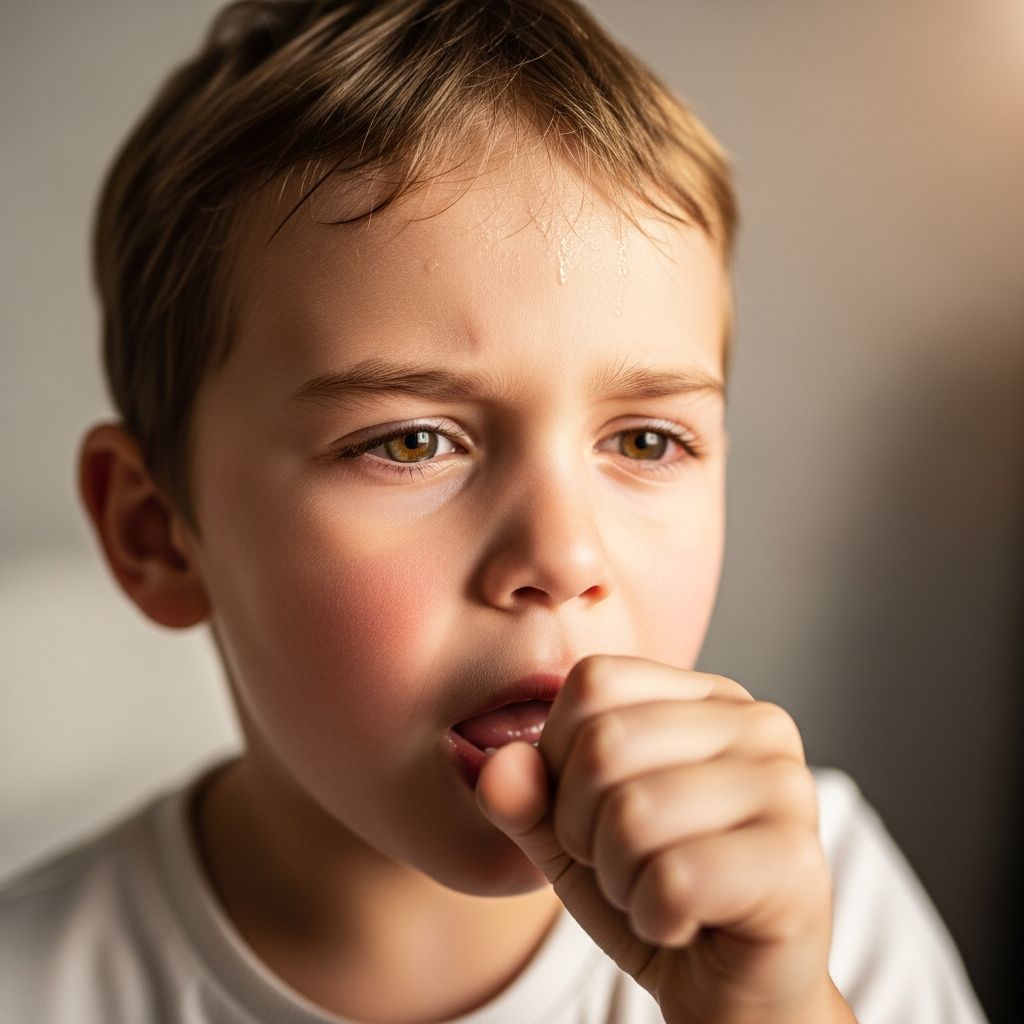
Whooping cough, medically known as pertussis, is a highly contagious bacterial respiratory infection caused by Bordetella pertussis. It begins with symptoms resembling a common cold but escalates into severe, uncontrollable coughing fits often followed by a distinctive high-pitched “whoop” sound during inhalation. This illness poses significant dangers, particularly to unvaccinated infants under one year old, where it can lead to hospitalization or even death.
What Is Whooping Cough?
Whooping cough is an acute respiratory tract infection that attacks the lining of the airways, leading to violent coughing spells. The name derives from the characteristic “whoop”—a gasping sound made when affected individuals struggle to breathe after a coughing paroxysm. Before widespread vaccination, pertussis was a major cause of childhood mortality. Today, while vaccines have reduced incidence, outbreaks persist due to waning immunity and vaccine hesitancy, affecting all age groups but hitting babies hardest.
Pertussis spreads easily through respiratory droplets from coughing or sneezing. Infected individuals are contagious from the onset of symptoms, typically for about two to three weeks, though antibiotics can shorten this period. Globally, the World Health Organization estimates hundreds of thousands of cases annually, with higher burdens in areas with low vaccination rates.
Symptoms of Whooping Cough
Symptoms appear 5 to 10 days after exposure, sometimes up to three weeks. Pertussis progresses in stages, mimicking a cold initially before worsening dramatically.
Stage 1: Catarrhal (1-2 Weeks)
This initial phase resembles a typical upper respiratory infection:
- Runny or stuffy nose
- Low-grade fever
- Mild, occasional cough
- Red, watery eyes (conjunctivitis)
In infants, symptoms may be subtle: little to no cough, but apnea (breathing pauses), cyanosis (bluish skin), or gagging.
Stage 2: Paroxysmal (2-8 Weeks)
Coughing intensifies into fits of 5-10 rapid coughs, expelling thick mucus. Post-fit inhalation produces the “whoop.” Attacks worsen at night and may cause:
- Vomiting from coughing force
- Exhaustion and extreme fatigue
- Red or blue face/skin from oxygen deprivation
- Appetite loss and dehydration
Adults and vaccinated teens often lack the whoop, presenting with prolonged hacking coughs.
Stage 3: Convalescent (Weeks to Months)
Coughs gradually lessen but can persist for 100 days, known as the “100-day cough.” New infections may trigger relapses.
Symptoms in Infants and Babies
Infants under 6 months, especially unvaccinated, face life-threatening risks. About half require hospitalization. Unlike older children, they may not whoop but exhibit:
- Apnea or slowed breathing
- Cyanosis (blue lips/nails/skin)
- Gagging or struggling to breathe
- Poor feeding leading to dehydration/weight loss
Seek immediate care for any breathing pauses or color changes.
Symptoms in Adults and Teens
Immunity wanes 5-10 years post-vaccination, leading to milder cases:
- Prolonged cough without whoop
- Fatigue and mild fever
- Cough lasting weeks
Related Stories



Adults often mistake it for bronchitis but can unknowingly spread it to vulnerable groups.
Who Is at Risk for Whooping Cough?
High-risk groups include:
- Infants <6 months: Highest hospitalization (50%) and death rates
- Unvaccinated children
- Pregnant women (risk to newborns)
- Adults with waning immunity
- Immunocompromised individuals
Outbreaks surge in late summer/fall.
Causes of Whooping Cough
Bordetella pertussis bacteria produce toxins damaging airway cilia, impairing mucus clearance. Transmission occurs via airborne droplets or close contact. Contagiousness peaks early; herd immunity requires 90-95% vaccination coverage.
Complications of Whooping Cough
While most recover, complications are severe in young infants:
| Complication | Description | Risk Group |
|---|---|---|
| Pneumonia | Lung infection from secondary bacteria | Infants |
| Apnea | Breathing pauses | Infants |
| Seizures | From hypoxia | Infants |
| Encephalopathy | Brain inflammation/damage | Rare, infants |
| Otitis media | Ear infections | Children |
| Rib fractures | From coughing force | Adults |
Infants have 1-2% mortality risk.
How Is Whooping Cough Diagnosed?
Diagnosis combines history, symptoms, and tests:
- Nasopharyngeal swab for PCR/culture (most accurate early)
- Blood tests for antibodies (later stages)
- Chest X-ray for pneumonia
High suspicion in unvaccinated with prolonged cough.
Treatment for Whooping Cough
Antibiotics (azithromycin, erythromycin) shorten contagiousness if given early, but don’t alleviate later cough. Supportive care includes:
- Hydration and nutrition
- Cough suppressants (ineffective for paroxysms)
- Hospitalization for infants (oxygen, IV fluids)
Isolate until 5 days post-antibiotics.
Prevention and Whooping Cough Vaccine
DTaP (children) and Tdap (teens/adults/pregnant) vaccines are cornerstone. Schedule:
- Infants: 2, 4, 6 months; boosters 15-18 months, 4-6 years
- Teens: Tdap at 11-12
- Adults: Every 10 years; pregnant women 27-36 weeks
Cocooning (vaccinate contacts) protects newborns. Hygiene: handwashing, covering coughs, avoiding sick contacts.
When to See a Doctor for Whooping Cough Symptoms
Consult immediately if:
- Cough >2 weeks with paroxysms
- Whooping/gasping
- Apnea/cyanosis in infants
- Vomiting/dehydration
Especially urgent for high-risk groups.
Frequently Asked Questions (FAQs)
How long is whooping cough contagious?
Up to 2-3 weeks from cough onset; antibiotics reduce to 5 days.
Can vaccinated people get whooping cough?
Yes, milder cases possible; they can still transmit.
Is whooping cough making a comeback?
Yes, due to waning immunity and evolving bacteria.
How to protect newborns from pertussis?
Maternal Tdap vaccination and cocooning.
Does whooping cough go away on its own?
Yes, but can last months with complications; treat early.
References
- Whooping Cough – MedlinePlus — U.S. National Library of Medicine. 2023. https://medlineplus.gov/whoopingcough.html
- Whooping Cough – Symptoms & Causes — Mayo Clinic. 2024-05-17. https://www.mayoclinic.org/diseases-conditions/whooping-cough/symptoms-causes/syc-20378973
- Whooping Cough (Pertussis): Symptoms, Treatment & Prevention — American Academy of Pediatrics. 2024. https://www.healthychildren.org/English/health-issues/conditions/chest-lungs/Pages/Whooping-Cough.aspx
- What Doctors Wish Patients Knew About Pertussis — American Medical Association. 2023-09-12. https://www.ama-assn.org/public-health/infectious-diseases/what-doctors-wish-patients-knew-about-pertussis
- Clinical Features of Pertussis — Centers for Disease Control and Prevention. 2024. https://www.cdc.gov/pertussis/hcp/clinical-signs/index.html
Similar Articles








Read full bio of medha deb