Whooping Cough: 4 Key Facts Parents Need To Know
Understand whooping cough symptoms, stages, treatment options, complications, and vital prevention strategies including vaccination.
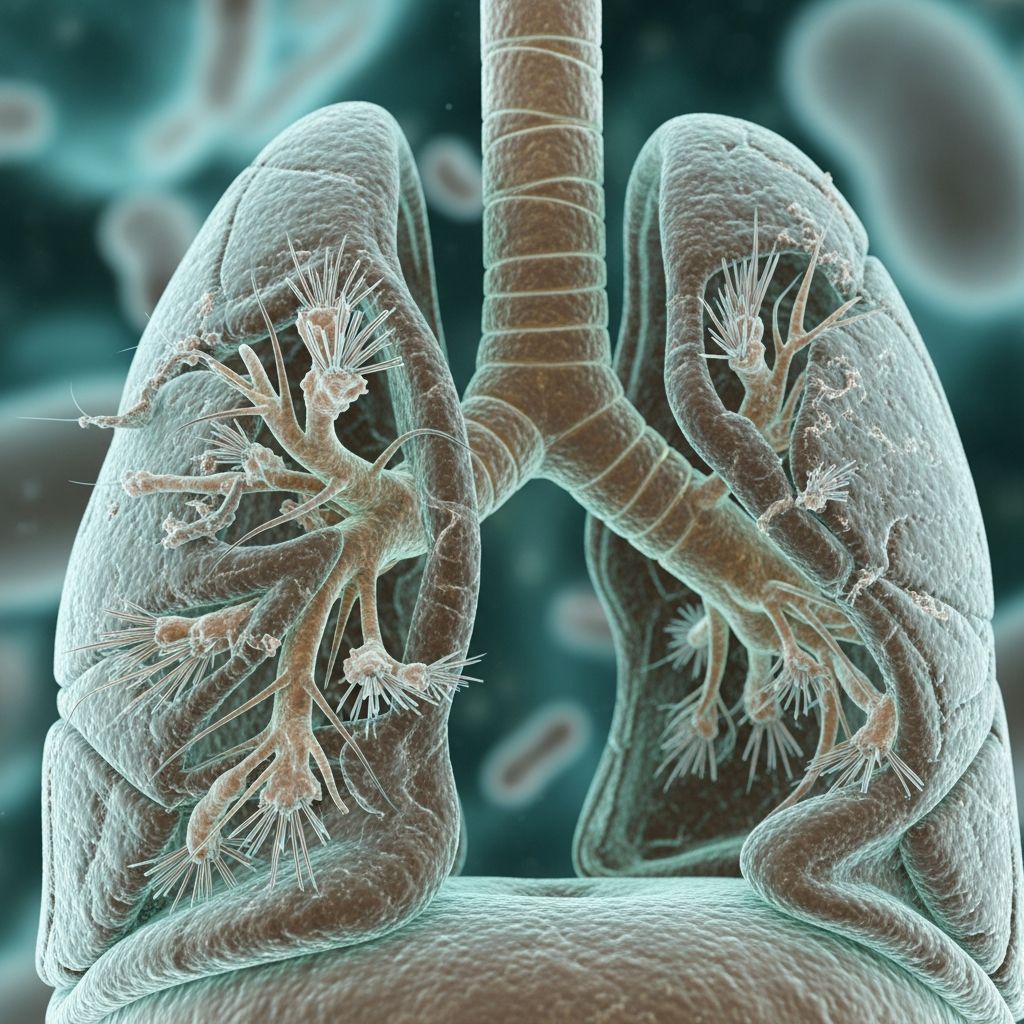
Whooping cough, also known as pertussis, is a highly contagious bacterial infection of the lungs and airways caused by Bordetella pertussis. It leads to severe, prolonged coughing fits often followed by a characteristic high-pitched “whoop” sound when gasping for breath. While vaccination has made it rare in vaccinated children, waning immunity leaves older children, teens, and adults vulnerable, with infants under six months at highest risk for serious complications.
Key points
- Whooping cough is an infection of the lungs and airways that spreads easily through respiratory droplets from coughs and sneezes.
- Main symptom: intense coughing fits with a ‘whoop’ sound in about half of cases, interspersed with feeling relatively well.
- Most recover fully, but complications like pneumonia can occur, especially in babies; seek urgent care for breathing issues, cyanosis, or dehydration.
- Vaccination is key to prevention; routine shots protect children, with boosters for teens and pregnant women to shield newborns.
What is whooping cough?
Whooping cough is caused by the bacterium Bordetella pertussis, which attaches to the ciliated cells lining the airways, multiplies, and releases toxins that inflame and damage the respiratory tract. This triggers persistent coughing even after the bacteria are cleared. The infection is highly contagious, spreading via airborne droplets from coughing or sneezing, with peak infectivity during the early catarrhal stage.
Before widespread vaccination, pertussis was a major childhood killer. Today, cases cluster in unvaccinated populations or those with faded immunity. Globally, the World Health Organization (WHO) reports hundreds of thousands of annual deaths, mostly in young infants in low-vaccination areas. In high-income countries like the UK, notifications remain low due to immunization but outbreaks occur cyclically every 3-5 years.
Symptoms of whooping cough
Symptoms appear 5-12 days post-exposure and progress through three distinct stages: catarrhal (early), paroxysmal (intense coughing), and convalescent (recovery). The illness can last up to three months, earning its nickname “the cough of 100 days”.
Early stage (catarrhal phase)
This initial 1-2 week phase mimics a common cold:
- Sore throat, runny nose, sneezing.
- Mild dry cough, low-grade fever or none.
- Conjunctivitis (red, watery eyes) and malaise.
Contagiousness peaks here, before the diagnostic cough develops.
Main coughing stage (paroxysmal phase)
After 1-2 weeks, coughing escalates to violent paroxysms (2-5 daily, worse at night):
- 15-30 rapid coughs per bout, leading to apnea, red/purple face, bulging eyes.
- High-pitched “whoop” on inhalation (50% of cases), vomiting, exhaustion.
- Bouts last 1-2 minutes, triggered by feeding, crying, or startling.
In adults and teens, symptoms may be milder: persistent cough without whoop. Infants often lack the whoop, presenting with gagging or apneas.
Easing stage (convalescent phase)
Coughs gradually lessen over 2-3 months, but paroxysms can recur with subsequent respiratory infections. Full recovery is typical, though fatigue lingers.
What does whooping cough sound like? Imagine rapid, uncontrollable coughs building to desperation, ending in a shrill whoop as air rushes in. Videos from health sites demonstrate this, but audio varies by age.
How long does whooping cough last? How long are you contagious?
Total duration: 6-10 weeks, up to 3 months. Contagious from late catarrhal stage for 3 weeks (or until 5 days on antibiotics). Treated cases shorten spread by half.
Related Stories



| Stage | Duration | Key Features | Contagious? |
|---|---|---|---|
| Catarrhal | 1-2 weeks | Cold-like | Highly (peak) |
| Paroxysmal | 2-6 weeks | Severe fits, whoop | Yes, decreasing |
| Convalescent | 2-3+ months | Improving cough | No |
Complications of whooping cough
Most uncomplicated, but risks rise in extremes of age:
- Infants <6 months: Pneumonia (20%), apnea, seizures, encephalopathy, death (1-4% hospitalized).
- Older children/adults: Rib fractures, hernias, syncope, secondary infections.
- Rare: Otitis media, dehydration from poor feeding.
Hospitalization needed for 50% of infant cases. Prompt antibiotics mitigate severity.
When to seek medical help
Urgent evaluation if:
- Infant <6 months with cough.
- Breathing pauses >10s, cyanosis, extreme fatigue.
- Dehydration (fewer wet nappies), seizures, high fever.
Notify GP immediately; UK law requires clinical suspicion reporting.
Whooping cough test
Diagnosis via:
- Nasopharyngeal swab for PCR/culture (best early stage).
- Serology for later confirmation.
- Clinical: paroxysms + whoop/post-tussive vomit.
Treatment of whooping cough
Supportive + antibiotics if <3 weeks symptomatic or high-risk contacts:
- Antibiotics: Azithromycin/clarithromycin/erythromycin shorten contagion, mildly reduce severity (not symptoms post-paroxysmal).
- Symptom relief: Hydration, rest, paracetamol/ibuprofen (no aspirin <16yrs). Humidified air, upright positioning.
- Hospital: Oxygen, IV fluids, ventilation for severe infant cases.
Cough medicines ineffective/unsafe for kids.
Prevention of whooping cough
Whooping cough vaccination
UK schedule:
| Age/Group | Vaccine |
|---|---|
| 8, 12, 16 weeks | 6-in-1 (DTaP/IPV/Hib + MenB) |
| 3yrs 4m | 4-in-1 preschool booster |
| 14yrs | 3-in-1 teen booster |
| 16-32wks pregnant | Maternal pertussis vaccine (passes antibodies to baby) |
| Close contacts of newborns | Catch-up vaccination |
Effectiveness: 90% first year, wanes; boosters restore protection. Maternal vaccination cuts infant disease 90%.
Other prevention steps
- Good hygiene: Cover coughs, handwashing, isolate when coughing.
- Prophylactic antibiotics for household contacts, especially around infants.
- Avoid unvaccinated close contact with newborns.
Frequently Asked Questions (FAQs)
Q: Is whooping cough just a bad cold?
A: No, early symptoms resemble a cold, but it progresses to weeks of severe paroxysmal coughing unlike typical viral coughs.
Q: Can adults get whooping cough?
A: Yes, often milder but contagious; waning vaccine immunity increases adult cases.
Q: How soon after exposure do symptoms start?
A: 5-12 days incubation.
Q: Is whooping cough dangerous for babies?
A: Extremely; highest risk of pneumonia, apnea, death in <6 months.
Q: Does the vaccine prevent whooping cough forever?
A: No, protection wanes; boosters needed.
References
- Whooping Cough: Symptoms, Treatment, and Prevention — Patient.info. 2023. https://patient.info/infections/whooping-cough
- Is it whooping cough or just a cold? — Patient.info. 2023. https://patient.info/features/chest-lungs/is-it-whooping-cough-or-just-a-cold
- Whooping Cough (Pertussis) — Nemours KidsHealth. 2024-01-01. https://kidshealth.org/en/parents/whooping-cough.html
- Whooping Cough Pro — Patient.info Doctor. 2023. https://patient.info/doctor/paediatrics/whooping-cough-pro
- Whooping cough – Symptoms & causes — Mayo Clinic. 2024-05-19. https://www.mayoclinic.org/diseases-conditions/whooping-cough/symptoms-causes/syc-20378973
- Whooping Cough Vaccination — Patient.info Doctor. 2023. https://patient.info/doctor/drug-therapy/whooping-cough-vaccination
- Pertussis (Whooping Cough) — PMC/NIH. 2021-09-01. https://pmc.ncbi.nlm.nih.gov/articles/PMC8482022/
Similar Articles








Read full bio of Sneha Tete