Why Am I Always Hot: 11 Common Causes And Solutions
Discover 11 common reasons you're always feeling hot, from thyroid issues to menopause, and learn when to seek medical help.
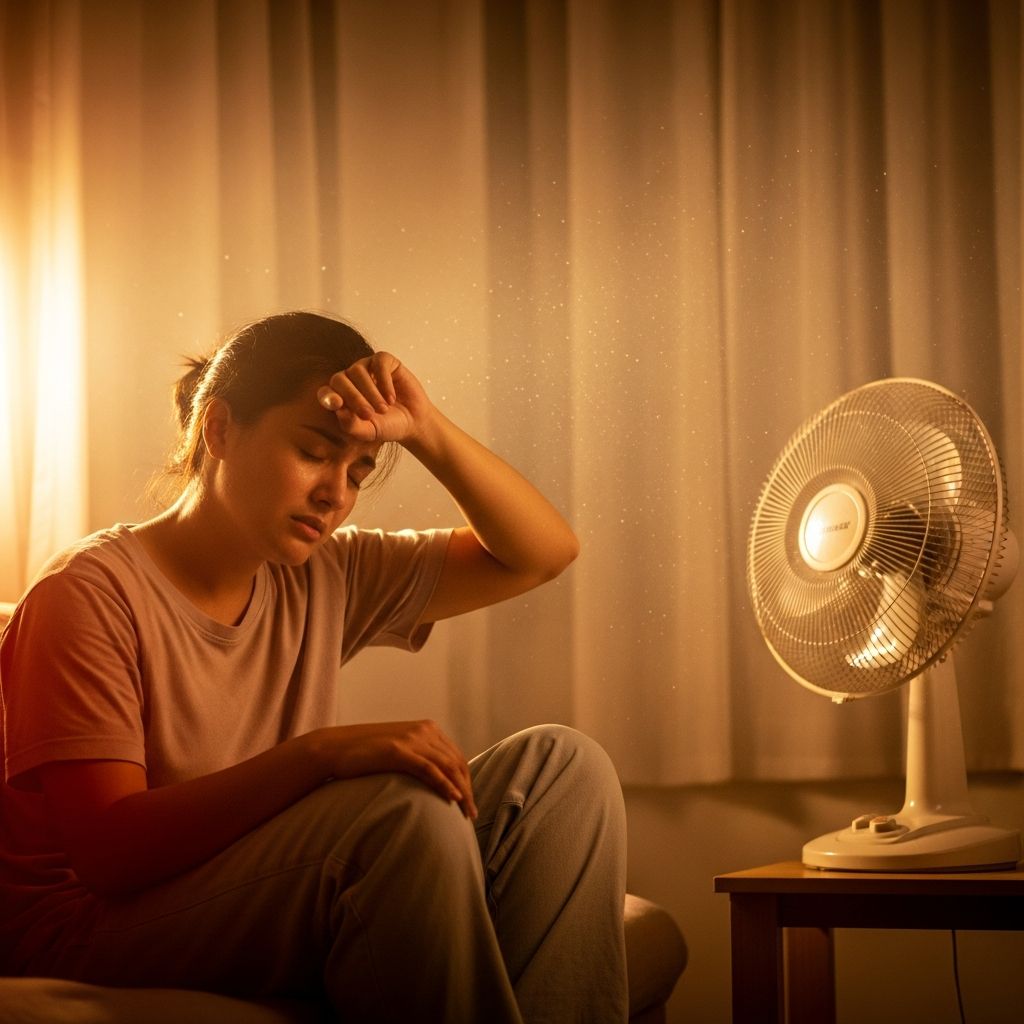
Feeling excessively hot when others around you seem comfortable can be frustrating and disruptive. This sensation, often accompanied by sweating, flushing, or heat intolerance, affects many people and may stem from benign lifestyle factors or signal an underlying medical condition. Your body’s thermostat, regulated by the hypothalamus in the brain, maintains a core temperature around 98.6°F (37°C). When this system falters, you might feel unusually warm due to accelerated metabolism, hormonal shifts, or impaired cooling mechanisms like sweating.
Understanding the root cause is key to finding relief. Common culprits include thyroid disorders, menopause, medications, stress, diabetes, and more. This article breaks down 11 potential reasons, symptoms to watch for, and steps to take, drawing from expert insights to help you navigate this uncomfortable experience.
What Does It Mean If You’re Always Hot?
If you’re
always hot
, it could indicate your body’s temperature regulation is off-kilter. The hypothalamus signals blood vessels to dilate and sweat glands to activate when you’re overheated, cooling you via evaporation. Disruptions—such as excess hormones speeding metabolism or nerve damage impairing sweat production—can make you feel perpetually warm.This isn’t just discomfort; chronic heat sensation might accompany fatigue, weight changes, or heart palpitations, warranting a doctor’s visit. Factors like age, sex (women are more prone due to hormonal fluctuations), and environment play roles. For instance, high humidity hinders sweat evaporation, amplifying the feeling. Track patterns: Is it constant, during activity, or at night? This info aids diagnosis.
11 Reasons Why You’re Always Hot
Here are the most common explanations for persistent heat sensations, supported by medical experts:
1. Hyperthyroidism
An overactive
thyroid gland
produces excess hormones, revving metabolism and generating internal heat. You might feel hot, sweaty, and intolerant to warmth, even in cool rooms. Other signs include unexplained weight loss, rapid heartbeat, increased appetite, diarrhea, anxiety, tremors, and irregular periods in women.Diagnosis involves blood tests for thyroid-stimulating hormone (TSH) and thyroxine (T4). Treatments like antithyroid drugs, radioactive iodine, or surgery normalize hormone levels. Early intervention prevents complications like heart issues.
2. Menopause or Perimenopause
Hormonal dips in estrogen during
perimenopause
(transition phase) andmenopause
disrupt the hypothalamus, triggeringhot flashes
—sudden heat waves with flushing and sweating, often at night. Affecting up to 80% of women, these last 1-5 minutes and may include chills afterward.Perimenopause averages four years, with irregular periods; menopause follows 12 months without. Triggers: spicy foods, caffeine, alcohol, stress. Hormone therapy, SSRIs, or lifestyle tweaks like layered clothing help manage symptoms.
3. Medications
Many drugs list
increased sweating
or heat sensation as side effects. Antidepressants (e.g., SSRIs), fever-reducers like acetaminophen, diabetes meds (insulin), and blood pressure drugs (beta-blockers) can overstimulate sweat glands or alter metabolism.If symptoms start post-prescription, consult your doctor—don’t stop abruptly. Alternatives or dose adjustments often resolve issues.
4. Stress and Anxiety
The
fight-or-flight response
floods your body with adrenaline during stress, raising heart rate, blood flow to skin, and temperature. Chronic anxiety mimics danger, causing flushing, sweating, and heat.Related Stories



Accompanying symptoms: rapid pulse, dry mouth, trembling, insomnia. Therapy, meditation, exercise, or meds like beta-blockers can calm the nervous system.
5. Diabetes
Uncontrolled
blood sugar
in type 1 or 2 diabetes damages nerves and vessels, impairing sweat regulation and cooling. High/low glucose triggers hot, sweaty episodes; dehydration worsens it.Monitor levels frequently in heat. Management: diet, exercise, meds/insulin. Early signs include thirst, fatigue—see a provider for A1C tests.
6. Overheating from Exercise or Environment
Intense workouts burn fuel, producing heat; humid conditions trap it, risking heatstroke. Your body lags in cooling if unfit or dehydrated.
Prevent: hydrate, acclimate gradually, wear breathable clothes. Core temp rises until sweat kicks in effectively.
7. Excess Weight
**Obesity** insulates the body, retaining heat and making cooling harder. Extra tissue increases metabolic heat.
Safe weight loss via diet/exercise reduces symptoms. Consult providers for tailored plans.
8. Fibromyalgia
This chronic pain condition heightens
temperature sensitivity
, causing heat intolerance alongside fatigue, brain fog, headaches.Treatment: meds, therapy, stress reduction.
9. Multiple Sclerosis (MS)
MS damages nerves, worsening heat sensitivity (Uhthoff’s phenomenon), where warmth exacerbates symptoms like weakness.
Cooling vests and staying cool help.
10. Anhidrosis
Inability to sweat (**anhidrosis**) prevents cooling, leading to overheating. Causes: nerve damage, skin conditions.
Dangerous—seek care if sweating absent.
11. Rare Causes: Tumors or Infections
Hormone-secreting tumors or infections like endocarditis rarely cause constant heat.
When to See a Doctor
Consult a professional if heat persists with: weight changes, palpitations, fatigue, night sweats, or no relief from cooling. Blood tests rule out thyroid/diabetes issues. Urgent care for confusion, dizziness, nausea—signs of heatstroke.
How to Feel Less Hot
- Stay hydrated: Drink water; avoid caffeine/alcohol.
- Dress light: Breathable fabrics, layers.
- Cool environment: Fans, AC, cool showers.
- Diet tweaks: Skip spicy foods, hot drinks.
- Exercise smart: Cool times, indoor.
- Manage stress: Yoga, mindfulness.
- Weight control: Balanced diet, activity.
Frequently Asked Questions (FAQs)
Why do I feel hot at night?
Night sweats from menopause, infections, or low blood sugar. Blankets trap heat; cooler rooms help.
Can medications make me always hot?
Yes, especially antidepressants or diabetes drugs. Discuss alternatives with your doctor.
Is always feeling hot a sign of cancer?
Rarely, via hormone tumors. More common: thyroid/menopause. Get evaluated.
How does thyroid affect body temperature?
Hyperthyroidism speeds metabolism, causing heat; hypothyroidism chills.
Does anxiety cause hot flashes?
Yes, via adrenaline surges mimicking flashes.
References
- 6 reasons you may be feeling hot — or cold — Ohio State Health & Discovery. 2023. https://health.osu.edu/health/skin-and-body/why-you-are-hot-or-cold
- Why Are You Always Hot? — WebMD. 2024-10-15. https://www.webmd.com/a-to-z-guides/ss/slideshow-why-always-hot
- 11 Reasons Why You’re Always Hot — Cleveland Clinic. 2024. https://health.clevelandclinic.org/why-am-i-always-hot
- Why am I always hot? 10 common causes — Medical News Today. 2023-07-10. https://www.medicalnewstoday.com/articles/why-am-i-always-hot
- Why Hot Flashes Occur and How to Treat Them — Cedars-Sinai. 2023. https://www.cedars-sinai.org/stories-and-insights/healthy-living/why-hot-flashes-occur-and-how-to-treat-them
Similar Articles








Read full bio of Sneha Tete