Why Am I So Gassy? A Comprehensive Guide To Causes And Relief
Discover the common causes of excessive gas, from diet to medical conditions, and learn practical ways to reduce bloating and discomfort effectively.
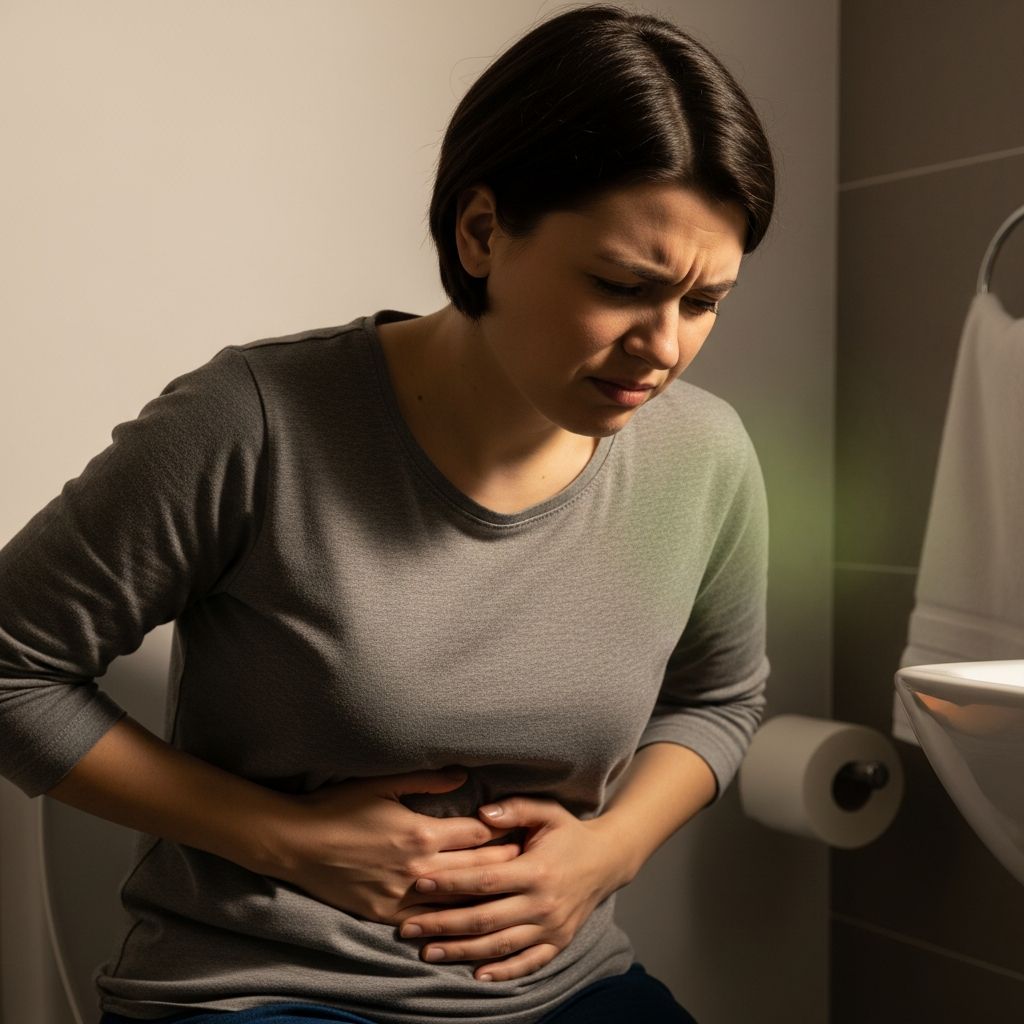
Experiencing excessive gas, bloating, or flatulence can be uncomfortable and embarrassing, but it’s a common digestive issue affecting millions. Gas is a normal byproduct of digestion, produced when intestinal bacteria break down undigested carbohydrates or when we swallow air. On average, people pass gas 13 to 21 times per day, but when it becomes frequent or painful, it may point to dietary habits, lifestyle factors, or underlying health conditions. Understanding the root causes is the first step toward relief.
What Causes Gas?
Gas forms in the digestive system through two primary mechanisms: swallowed air (aerophagia) and fermentation by gut bacteria. Swallowed air leads to belching, while intestinal gas causes flatulence. Certain foods high in fiber, sugars, or starches—like beans, lentils, broccoli, onions, and carbonated drinks—are notorious culprits because they ferment in the colon, producing hydrogen, methane, and carbon dioxide.
Other contributors include:
- Swallowing air: Eating too quickly, chewing gum, drinking through straws, or smoking introduces excess air into the stomach.
- Constipation: Slow-moving stool allows more time for bacterial fermentation, trapping gas in the intestines.
- Food intolerances: Lactose intolerance affects up to 65% of adults worldwide, causing gas from undigested dairy sugars. Fructose malabsorption and gluten sensitivity can similarly trigger symptoms.
- Medications: Opioids, antibiotics, and fiber supplements can disrupt gut motility or bacteria balance.
Common Foods That Cause Gas
Diet plays a starring role in gassiness. Foods rich in fermentable oligosaccharides, disaccharides, monosaccharides, and polyols (FODMAPs) are prime offenders. These short-chain carbs are poorly absorbed in the small intestine and fermented by colon bacteria.
| Food Category | Examples | Why They Cause Gas |
|---|---|---|
| Vegetables | Broccoli, cauliflower, cabbage, onions, garlic | High in raffinose and fructans, which ferment easily. |
| Legumes | Beans, lentils, chickpeas | Contain oligosaccharides like stachyose. |
| Dairy | Milk, ice cream, soft cheeses | Lactose not broken down without lactase enzyme. |
| Fruits | Apples, pears, peaches | Rich in fructose and sorbitol. |
| Grains & Sweeteners | Wheat, rye, high-fructose corn syrup, sorbitol | FODMAPs trigger bacterial overgrowth. |
| Drinks | Soda, beer, fruit juices | Carbonation and sugars add air and fermentation. |
Avoiding these in excess can reduce symptoms, but elimination diets should be temporary and guided by a professional to prevent nutrient gaps.
Medical Conditions Linked to Excessive Gas
While diet is often to blame, persistent gas may signal deeper issues. Irritable bowel syndrome (IBS) affects 10-15% of adults, with bloating and gas as hallmark symptoms due to altered gut motility and sensitivity. Small intestinal bacterial overgrowth (SIBO) occurs when excess bacteria in the small intestine ferment food prematurely, producing copious gas.
Serious causes include:
- Celiac disease: Gluten triggers immune damage to the small intestine, impairing nutrient absorption and causing gas.
- Inflammatory bowel disease (IBD): Crohn’s disease or ulcerative colitis inflames the gut, leading to gas buildup.
- Gastrointestinal blockages: Tumors, scar tissue, or diverticulitis can obstruct flow, causing bloating and pain.
- Pancreatic insufficiency: Inadequate digestive enzymes leave food undigested, fueling fermentation.
Related Stories



Functional dyspepsia or gastroesophageal reflux disease (GERD) can also contribute via slowed stomach emptying.
When Is Gas a Sign of Something Serious?
Occasional gas is harmless, but red flags warrant a doctor’s visit:
- Severe, persistent abdominal pain or cramping.
- Unexplained weight loss or blood in stool.
- Changes in bowel habits (diarrhea or constipation lasting weeks).
- Fever, vomiting, or swelling suggesting obstruction.
- Nighttime symptoms disrupting sleep.
These could indicate colorectal cancer, ovarian issues, or infections. Diagnostic tools include breath tests for intolerances/SIBO, endoscopy, imaging, or stool analysis.
How to Reduce Gas and Bloating
Lifestyle tweaks often provide quick relief:
- Eat mindfully: Chew slowly, avoid gum/straws, and eat smaller meals to minimize air swallowing.
- Track your diet: Use a food-symptom journal for 2-4 weeks to identify triggers. Apps like MySymptoms simplify this.
- Try low-FODMAP diet: Developed by Monash University, it reduces fermentable carbs for 4-6 weeks, then reintroduces foods systematically.
- Boost fiber gradually: Increase soluble fiber (oats, psyllium) while drinking plenty of water to prevent constipation.
- Exercise regularly: Walking post-meals promotes gut motility and gas expulsion.
Over-the-counter aids include simethicone (Gas-X) to break up bubbles, lactase enzymes for dairy, or probiotics like Bifidobacterium to balance gut flora. Beano contains alpha-galactosidase to digest bean sugars.
Home Remedies for Quick Relief
Natural options can soothe symptoms fast:
- Herbal teas: Peppermint, ginger, or fennel relax gut muscles and reduce spasms.
- Heat therapy: A warm compress on the abdomen eases bloating.
- Probiotics: Yogurt or supplements with Lactobacillus may cut gas by 20-50% over weeks.
- Activated charcoal: Binds gas-producing compounds, though evidence is mixed.
- Yoga poses: Wind-Relieving Pose (Pawanmuktasana) expels trapped gas.
Medications and Professional Treatments
For stubborn cases, doctors may prescribe:
- Antispasmodics like hyoscyamine for IBS cramps.
- Antibiotics (rifaximin) for SIBO.
- Prokinetics to enhance motility.
- Surgery for blockages or severe IBD.
Cognitive behavioral therapy helps IBS patients manage stress-triggered symptoms.
Prevention Tips for Long-Term Gut Health
Build habits for a less gassy life:
- Maintain hydration (8+ glasses daily).
- Limit artificial sweeteners like mannitol.
- Manage stress via meditation or therapy, as anxiety slows digestion.
- Stay active: 150 minutes of moderate exercise weekly.
- Get screened for intolerances if family history suggests it.
Frequently Asked Questions (FAQs)
Is excessive gas a sign of cancer?
Rarely, but combined with weight loss, blood in stool, or pain, it merits evaluation. Colorectal cancer screening is recommended starting at age 45.
Does coffee cause gas?
It can, via caffeine stimulating gut motility or dairy additives triggering lactose issues.
Can stress make you gassy?
Yes, stress alters gut bacteria and motility, exacerbating IBS-like symptoms.
How long does a low-FODMAP diet take to work?
Improvement often occurs in 2-3 days, with full benefits in 4-6 weeks under guidance.
Are probiotics effective for gas?
Some strains reduce symptoms by 20%, but results vary; consult a doctor for strains like B. infantis.
References
- Why am I so gassy, and what can I do about it? — Ohio State Health & Discovery. 2023-10-12. https://health.osu.edu/health/general-health/why-am-i-so-gassy-and-what-can-i-do-about-it
- Gas in the Digestive Tract — National Institute of Diabetes and Digestive and Kidney Diseases (NIDDK). 2022-02-01. https://www.niddk.nih.gov/health-information/digestive-diseases/gas-digestive-tract
- Irritable Bowel Syndrome (IBS) — Mayo Clinic. 2025-01-10. https://www.mayoclinic.org/diseases-conditions/irritable-bowel-syndrome/symptoms-causes/syc-20360016
- Low FODMAP Diet — Monash University. 2024-06-15. https://www.monashfodmap.com/about-fodmap-and-ibs/high-and-low-fodmap-foods/
- Lactose Intolerance — Cleveland Clinic. 2023-11-20. https://my.clevelandclinic.org/health/diseases/7317-lactose-intolerance
Similar Articles








Read full bio of medha deb