Thirsty At Night: Causes, Tests, And Home Remedies
Discover common causes of nighttime thirst, from dehydration to serious conditions like diabetes, and learn when to seek medical help.
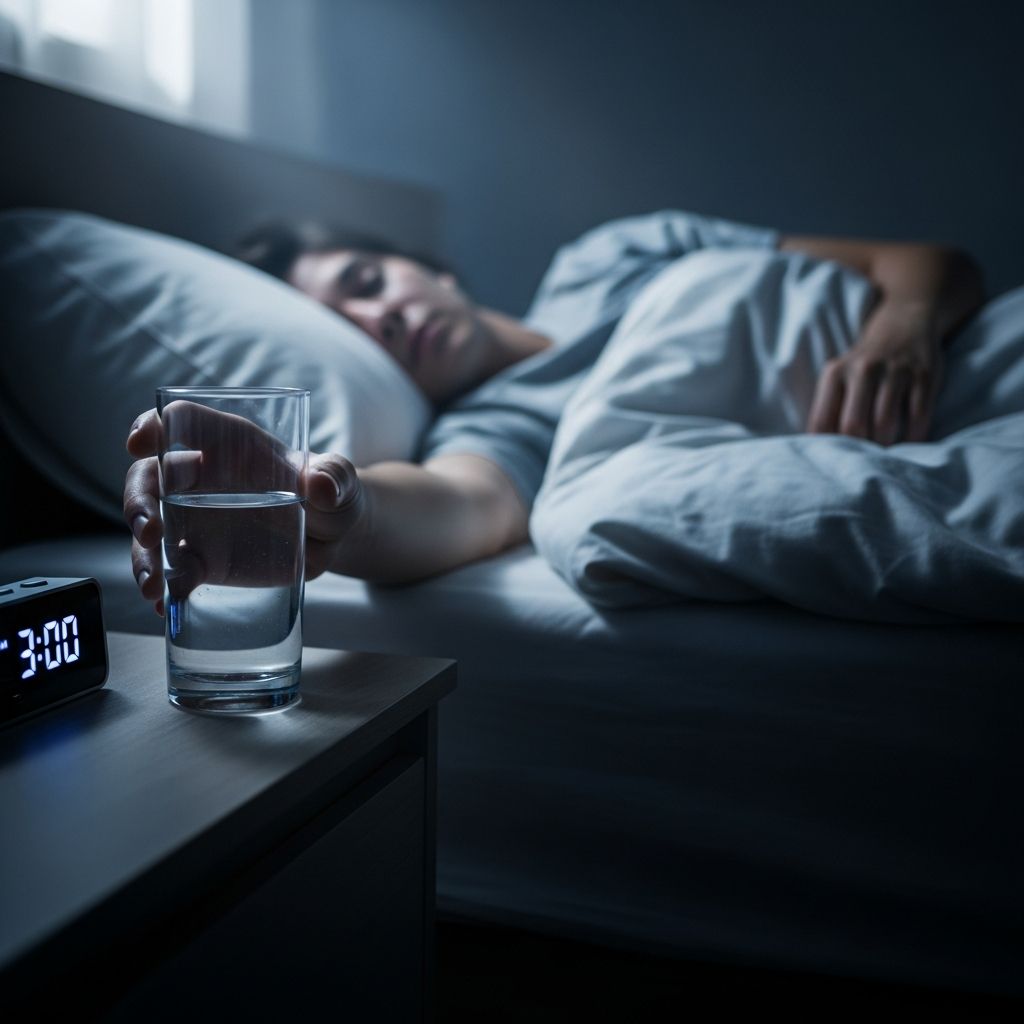
Waking up parched in the middle of the night disrupts sleep and leaves you wondering what’s causing it. Nighttime thirst, also known as nocturnal polydipsia, can stem from benign factors like dehydration or dry air, or signal underlying health issues such as diabetes or hormonal changes. Understanding these causes helps you address the problem effectively, improving sleep quality and overall well-being.
This article breaks down the most common reasons for excessive thirst at night, drawing from medical experts and reliable health sources. We’ll cover environmental factors, lifestyle habits, medications, and serious conditions, plus practical tips and when to consult a doctor.
Is It My Sleeping Environment?
Your bedroom setup plays a bigger role in nighttime thirst than you might think. A warm room or low humidity can dry out your mouth and throat while you sleep, triggering thirst signals.
Experts recommend keeping your bedroom temperature between
60 and 70°F (16 and 21°C)
for optimal sleep. Warmer temperatures cause excessive sweating, leading to fluid loss and dehydration overnight.Dry air is another culprit. The
Environmental Protection Agency (EPA)
advises maintaining indoor humidity at30-50%
to prevent dryness without promoting mold growth. Low humidity, common in winter or air-conditioned homes, evaporates moisture from your airways, causing dry mouth (xerostomia).- Use a humidifier to add moisture to the air, especially in dry climates.
- Avoid overheating by using breathable bedding and lightweight pajamas.
- Check your HVAC system; filters clogged with dust can reduce air quality and humidity.
Simple adjustments like these can reduce nighttime awakenings due to thirst, promoting deeper sleep cycles.
Am I Dehydrated?
One of the simplest explanations for waking up thirsty is
dehydration from the day
. Your body requires consistent water intake for saliva production, which keeps your mouth moist. Insufficient fluids mean salivary glands can’t function properly, leading to dry mouth at night.Water comprises about
60% of your body weight
, and even a1-2% loss
triggers thirst receptors in the brain. Skipping water during meals, exercise, or hot weather compounds this issue. Chugging water right before bed isn’t ideal—it can lead to bathroom trips and dilute existing saliva.Daily hydration tips:
- Aim for
8-10 glasses (64-80 oz)
spread throughout the day. - Include hydrating foods like cucumbers, watermelon, and oranges.
- Monitor urine color: pale yellow indicates good hydration; dark suggests you need more fluids.
Habitual dehydration not only causes thirst but also contributes to fatigue, headaches, and poor concentration the next day.
Is This Related to a Medication I’m Taking?
Many prescription drugs list
thirst or dry mouth
as a side effect. Common classes include:- **Corticosteroids** (e.g., prednisone for inflammation).
- **SGLT2 inhibitors** (e.g., for diabetes, increase urination).
- **Antipsychotics, antidepressants, anticonvulsants, and anticholinergics** (affect saliva production).
These medications alter fluid balance, hormone regulation, or salivary gland function, leading to nocturnal thirst. If symptoms started after a new prescription, consult your doctor about alternatives or timing adjustments.
Related Stories



Could Alcohol Be the Cause? (Hangover Effects)
Evening drinks often result in
morning thirst
, but alcohol’s diuretic effect causes fluid loss through frequent urination (diuresis). As your body metabolizes alcohol, it producesacetaldehyde
, a chemical that intensifies thirst alongside headaches and nausea.Even moderate intake dehydrates you overnight. Limit alcohol 3-4 hours before bed and pair it with extra water to mitigate effects.
Menopause and Hormonal Changes
For women in
perimenopause or menopause
, fluctuatingestrogen and progesterone
disrupt fluid regulation, causinghot flashes, night sweats, and heightened thirst
. A 2013 study found perimenopausal and postmenopausal women reported greater thirst during and after exercise compared to premenopausal peers.Night sweats evaporate fluids rapidly, mimicking dehydration. Hormone therapy or cooling strategies like fans can help manage symptoms.
Sleep Apnea and Mouth Breathing
Mouth breathing during sleep, often from
sleep apnea, snoring, allergies, or congestion
, dries out oral tissues. Sleep apnea obstructs airways, forcing mouth breathing and reducing saliva flow.Symptoms include loud snoring, daytime fatigue, and gasping awakenings. If thirst accompanies these, seek a sleep study. Nasal strips, allergy meds, or CPAP machines can resolve it.
Is Diabetes to Blame?
**Diabetes mellitus** is a leading cause of excessive thirst (polydipsia). High blood sugar pulls fluid from tissues to dilute it, causing frequent urination (polyuria) and compensatory thirst.
Types include:
| Type | Description |
|---|---|
| Diabetes Mellitus | Impaired sugar processing; kidneys overwork. |
| Central Diabetes Insipidus | Low vasopressin (antidiuretic hormone) production. |
| Nephrogenic Diabetes Insipidus | Kidneys ignore vasopressin. |
| Dipsogenic Diabetes Insipidus | Excessive thirst drive from brain signals. |
Other signs: unexplained weight loss, blurred vision, fatigue. Blood tests confirm diagnosis.
Other Medical Conditions
Several issues can manifest as nighttime thirst:
- Anemia: Reduces red blood cells, leading to dehydration and thirst alongside fatigue.
- Heart, Kidney, or Liver Failure: ~70% of ICU patients with these report severe thirst due to electrolyte imbalances.
- Sjogren’s Syndrome, Stroke, Alzheimer’s: Affect saliva production or nerves.
- High Calcium (Hypercalcemia): Disrupts fluid balance.
Track symptoms like swelling, shortness of breath, or confusion.
What You Eat and Drink Before Bed
Salty, spicy, or caffeinated intake close to bedtime spikes thirst. Caffeine and alcohol are diuretics; salty foods draw water into the gut. Opt for bland snacks and hydrate earlier.
When to See a Doctor
Occasional thirst is normal, but persistent episodes warrant attention. Seek care if:
- Thirst wakes you multiple nights weekly.
- Accompanied by frequent urination, unexplained weight changes, fatigue, or blurred vision.
- No improvement from hydration/environment tweaks.
Doctors may order blood sugar tests, hormone panels, or imaging. Early intervention prevents complications.
Prevention and Home Remedies
- Stay hydrated all day, not just evenings.
- Use a humidifier and maintain cool room temps.
- Avoid alcohol, caffeine, salty/spicy foods post-dinner.
- Practice nasal breathing; try saline rinses for congestion.
- Chew sugar-free gum to stimulate saliva.
These steps often resolve mild cases, restoring restful nights.
Frequently Asked Questions (FAQs)
Why do I wake up with a dry mouth every night?
Dry mouth (xerostomia) results from low saliva, often due to dehydration, mouth breathing, or medications. Hydrate evenly and check for sleep apnea.
Does nighttime thirst mean I have diabetes?
It can be a symptom, especially with polyuria. However, many non-diabetic causes exist. Testing rules it out.
How much water should I drink before bed?
Avoid excess to prevent bathroom trips. Sip 4-8 oz if thirsty, but prioritize daytime intake.
Can menopause cause thirst at night?
Yes, hormonal shifts lead to sweats and fluid dysregulation in perimenopause/menopause.
Is dry air really that bad for sleep?
Yes, low humidity (under 30%) dries airways, causing thirst and discomfort. Aim for 30-50%.
The bottom line: Nighttime thirst often ties to fixable habits but can signal health concerns. Monitor patterns and consult professionals for personalized advice.
References
- Thirsty at Night: Possible Conditions and What to Do — Healthline. 1970-01-01. https://www.healthline.com/health/thirsty-at-night
- Polydipsia: Causes & Treatment — Cleveland Clinic. n.d. https://my.clevelandclinic.org/health/symptoms/24050-polydipsia
- Dry Mouth at Night: 5 Reasons You May Be Waking up Thirsty — Houston Methodist. 2021-05-20. https://www.houstonmethodist.org/blog/articles/2021/may/dry-mouth-at-night-5-reasons-you-may-be-waking-up-thirsty/
- Why Are You So Thirsty? Causes and Treatments — GoodRx. n.d. https://www.goodrx.com/well-being/diet-nutrition/why-am-i-feeling-thirsty-so-often-signs-factors
- Thirst – excessive — MedlinePlus. n.d. https://medlineplus.gov/ency/article/003085.htm
Similar Articles








Read full bio of Sneha Tete