Why Anxiety at Night Can Be Worse Than During the Day
Discover why anxiety intensifies at night, the science behind it, and practical strategies to manage nighttime worry effectively.
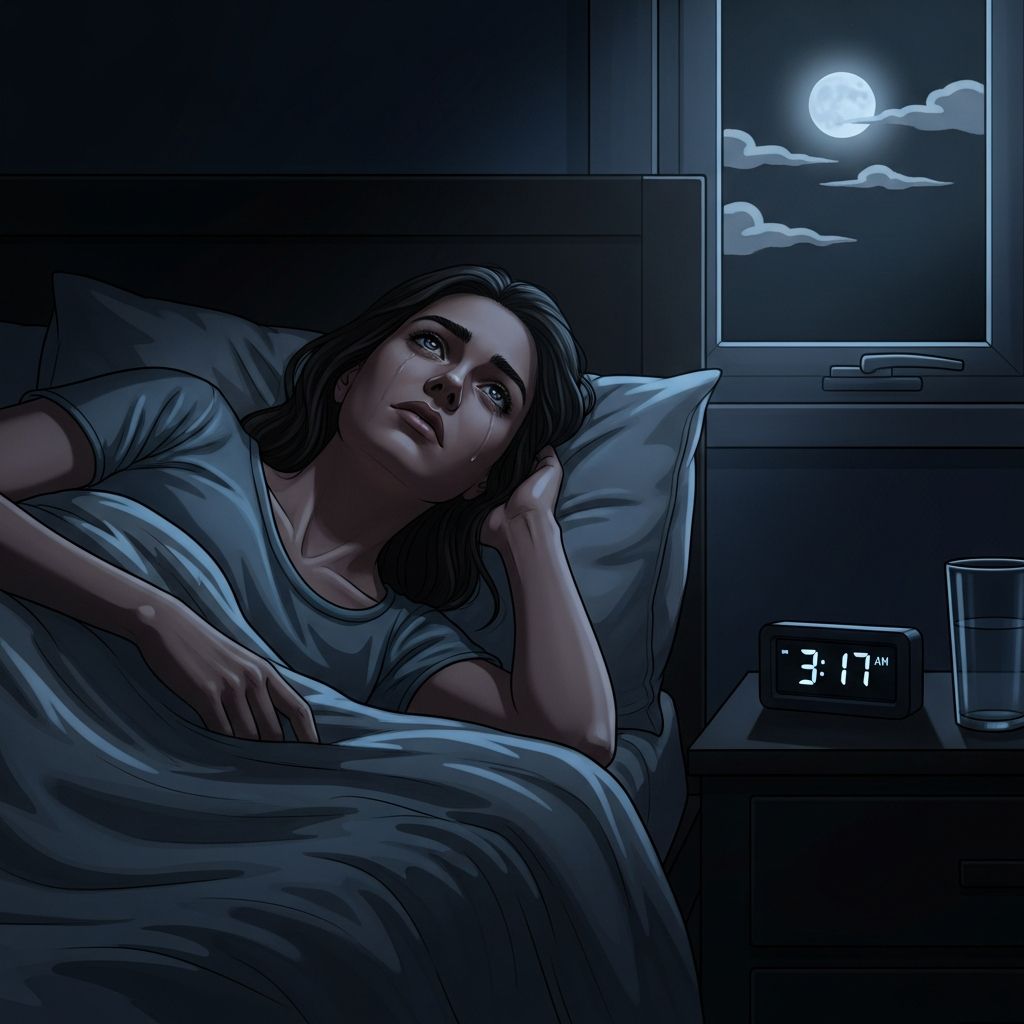
Anxiety frequently intensifies at night, creating a vicious cycle with poor sleep that amplifies emotional distress. This phenomenon, supported by research, stems from biological rhythms, reduced distractions, and heightened rumination when the world quiets down.
Why does anxiety feel worse at night?
The evening hours often mark a peak in anxiety symptoms due to a combination of physiological and environmental factors. As daylight fades, the brain’s internal clock—known as the circadian rhythm—influences emotional regulation. Rebecca Cox, an assistant professor at Washington University in St. Louis, explains that biological signals promoting alertness diminish at night, while “sleep pressure” builds from prolonged wakefulness. This impairs cognitive function, particularly emotion regulation, making negative thoughts harder to suppress.
Research from a 2022 study on the “mind after midnight hypothesis” confirms that anxiety, mood dips, suicidal ideation, and substance use risks escalate after dark, with racing thoughts peaking in the evening around 1 a.m. A 2024 Psychiatry Research study pinpointed anxiety surges at 8 a.m., 4 p.m., and 1 a.m., but evening rumination stands out as most debilitating.
Social isolation compounds this: during the day, friends, work, or tasks provide buffers, but at night, “the rest of the world is asleep,” leaving no external outlets for anxiety, as Cox notes. Dr. Jeffrey Strawn from the University of Cincinnati adds that bedtime removes daytime distractions like chores or notifications, priming the mind for “what if” spirals and replays of the day’s events.
- Circadian rhythm disruption: Declining alertness signals weaken emotional control.
- Sleep pressure accumulation: Builds with wakefulness, heightening vulnerability.
- Isolation: Lack of social support at night intensifies worries.
- Reduced distractions: Quiet environment fosters rumination.
The sleep-anxiety connection
Sleep and anxiety form a bidirectional loop: poor sleep predicts heightened anxiety, and anxiety disrupts sleep. A study using ecological momentary assessment (EMA) found that nights with less total sleep time (TST) than an individual’s average strongly predict next-day anxiety, especially in the morning and afternoon, but less so in the evening. This aligns with a recovery model where anxiety from sleep loss peaks early and diminishes, though chronic short TST or insomnia symptoms elevate average anxiety.
Stanford Medicine reports that people with insomnia are 10 times more likely to develop depression and 17 times more likely to experience anxiety, underscoring sleep’s role as “medicine” for mental health. Conversely, good sleep blunts negative memories and eases anxiety. Patient.info highlights how nighttime brooding perpetuates insomnia, creating exhaustion that fuels daytime anxiety.
Deviations from personal sleep averages matter more than absolute duration; chronic insomnia symptoms correlate with sustained anxiety, possibly via worry feedback loops in cognitive-behavioral models.
Does anxiety improve in the morning?
Yes, many report relief by morning, backed by science. The EMA study showed sleep-anxiety links strongest post-morning, fading by evening, suggesting natural recovery from acute sleep loss. Serotonergic activity from sleep deprivation may suppress evening anxiety. Good rest resets emotional processing, validating the adage that things feel better after sleep.
However, persistent patterns indicate deeper issues; untreated cycles can lead to clinical anxiety or insomnia.
How to manage nighttime anxiety
Related Stories



Effective strategies target prevention, sleep hygiene, and cognitive tools. Experts like Lily Brown from the University of Pennsylvania advocate structured “worry time”: allocate 10 daytime minutes to list concerns, preventing bedtime spillover. Research supports this for reducing rumination.
Sleep hygiene essentials
- Sleep in a cool, dark, quiet room.
- Limit caffeine; expose to bright light mornings, dim evenings.
- Maintain consistent bedtimes; enter bed only when sleepy.
Cognitive strategies
Practice mindfulness or journaling to externalize worries. Cognitive Behavioral Therapy for Insomnia (CBT-I) breaks the anxiety-sleep cycle by challenging sleep-related fears. Avoid clock-watching, which heightens arousal.
| Strategy | Why It Works | Evidence |
|---|---|---|
| Worry Time | Contains rumination to daytime | Supported by clinical trials |
| Consistent Routine | Regulates circadian rhythm | Reduces insomnia risk |
| Mindfulness | Improves emotion regulation | Lowers nighttime anxiety |
When to seek professional help
If nighttime anxiety persists >3 nights weekly, disrupts daily function, or accompanies depression/suicidal thoughts, consult a GP or therapist. Patient.info notes anxiety becomes abnormal when interfering with activities. Treatments include CBT, SSRIs, or sleep clinics for chronic insomnia.
High-risk signs: panic attacks, avoidance behaviors, or substance use.
Frequently Asked Questions (FAQs)
What causes anxiety to spike at night?
Circadian dips in alertness, sleep pressure, isolation, and lack of distractions trigger rumination.
Does poor sleep cause anxiety?
Yes, less-than-average TST predicts next-day anxiety, strongest mornings.
How can I stop nighttime worrying?
Use daytime worry time, sleep hygiene, and CBT-I techniques.
Is nighttime anxiety dangerous?
It raises risks for depression, substance misuse; seek help if chronic.
Will anxiety feel better in the morning?
Often yes, due to recovery processes and restorative sleep.
Conclusion
Understanding nighttime anxiety’s roots empowers better management. Prioritize sleep, structure worries, and seek help early for lasting relief. Consistent habits break the cycle, fostering resilient mental health.
References
- Time of day effects on the relationship between daily sleep and anxiety — PMC/NCBI. 2018-10-26. https://pmc.ncbi.nlm.nih.gov/articles/PMC6250589/
- Why Is Anxiety Worse at Night? — Time Magazine. 2024-10-01. https://time.com/7203404/why-is-anxiety-worse-at-night/
- How sleep affects mental health (and vice versa) — Stanford Medicine. 2025-08-01. https://med.stanford.edu/news/insights/2025/08/sleep-mental-health-connection-what-science-says.html
- Anxiety: Symptoms, Causes, and Treatments — Patient.info. 2025-01-01. https://patient.info/mental-health/anxiety
- What is the link between anxiety and insomnia? — Patient.info. 2024-01-01. https://patient.info/features/healthy-living/the-link-between-anxiety-and-insomnia
Similar Articles








Read full bio of medha deb