High Fasting Glucose: 6 Ways To Lower Morning Blood Sugar
Uncover the reasons behind elevated fasting glucose levels and learn practical steps to manage and lower them effectively for better health.
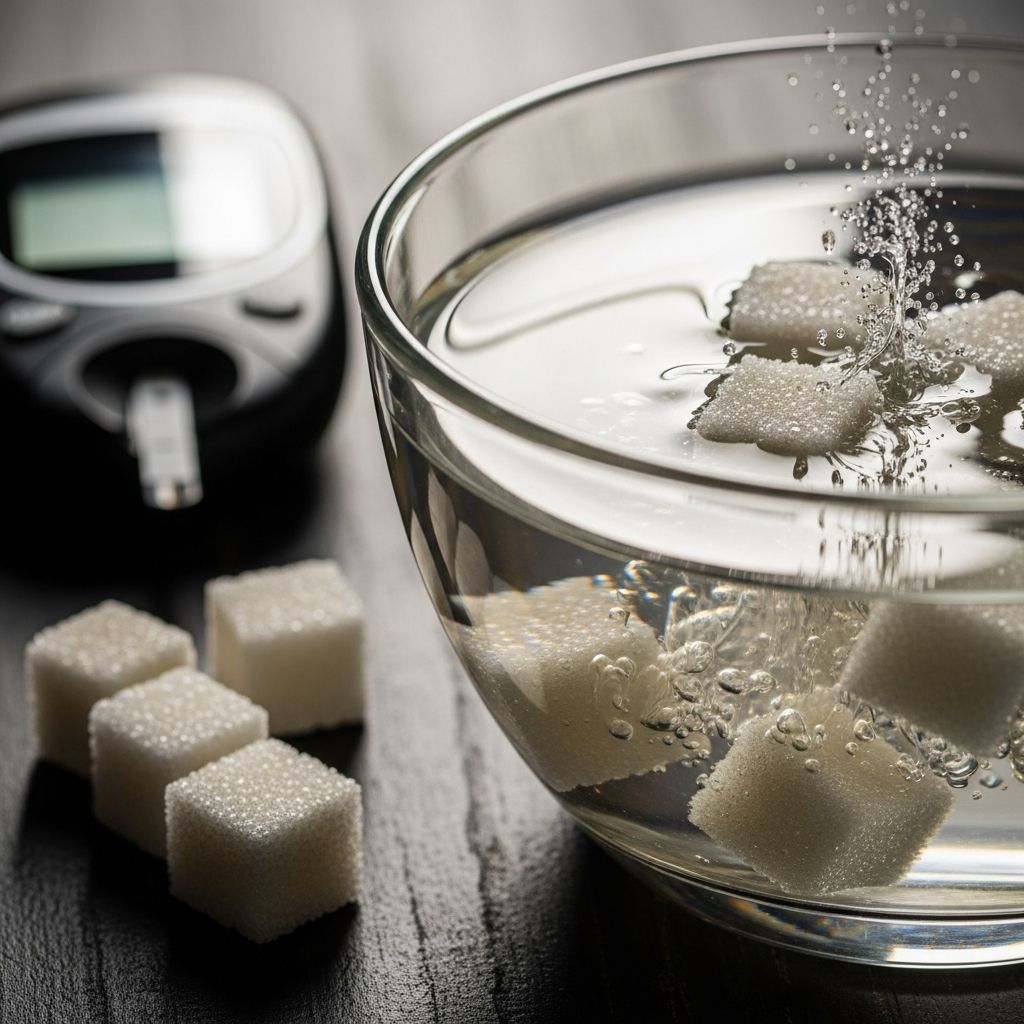
High fasting glucose levels, also known as fasting hyperglycemia, occur when blood sugar remains elevated after at least eight hours without food, typically above 100 mg/dL for prediabetes or 126 mg/dL for diabetes diagnosis. This condition signals potential insulin issues, affecting energy use and long-term health risks like heart disease.
What Is Fasting Blood Sugar?
Fasting blood sugar measures glucose concentration in the blood after an overnight fast. Normal levels range from 70-99 mg/dL; 100-125 mg/dL indicates prediabetes, and over 126 mg/dL on multiple tests suggests diabetes. The body relies on insulin from the pancreas to transport glucose into cells for energy; disruptions lead to accumulation in the bloodstream.
During fasting, the liver releases stored glucose via glycogenolysis or gluconeogenesis to maintain levels. Hormones like glucagon, cortisol, and growth hormone regulate this. In healthy individuals, insulin balances this release, but in diabetes or resistance states, levels spike.
Normal vs. High Fasting Blood Sugar Levels
| Condition | Fasting Glucose (mg/dL) | Implications |
|---|---|---|
| Normal | 70-99 | Optimal energy balance, low diabetes risk |
| Prediabetes | 100-125 | Increased risk; lifestyle changes recommended |
| Diabetes | ≥126 (two tests) | Requires medical intervention |
These thresholds are set by organizations like the American Diabetes Association. Consistent highs damage vessels, nerves, eyes, kidneys, and heart over time.
Why Is My Fasting Blood Sugar High?
Several mechanisms cause elevated fasting glucose, even without recent meals. Key culprits include hormonal surges, insulin deficiencies, and external factors.
The Dawn Phenomenon
The
dawn phenomenon
is a primary cause, where blood sugar rises 3-8 a.m. due to natural hormone surges: cortisol, growth hormone, and glucagon signal the liver to release glucose for waking energy. Everyone experiences this, but in diabetes, insufficient insulin response causes spikes up to 50-100 mg/dL.A 2023 study notes it affects 50% of type 1 and 2 diabetes patients. Counter it by adjusting basal insulin timing or using pumps with dawn programming.
The Somogyi Effect (Rebound Hyperglycemia)
Less common, the
Somogyi effect
happens when overnight lows trigger stress hormones (cortisol, epinephrine), prompting liver glucose dump and morning highs. Differentiate via continuous glucose monitoring (CGM): lows precede Somogyi, steady levels indicate dawn phenomenon.Treat by preventing lows: reduce evening insulin, eat bedtime snacks with protein/fat, or adjust meds. Consult providers for CGM data review.
Other Causes of High Fasting Glucose
- Insulin Resistance or Deficiency: Core to type 2 diabetes; cells ignore insulin, or pancreas underproduces (type 1). Glucose stays in blood.
- Medications: Steroids, diuretics, beta-blockers raise levels by inducing resistance or liver glucose output.
- Illness/Infection/Stress: Trigger cortisol/adrenaline, increasing gluconeogenesis. Dehydration concentrates blood sugar.
- Lifestyle Factors: Inactivity, poor sleep, high-carb dinners, caffeine sensitivity, or skipping breakfast impair insulin function.
- Pancreatic Issues: Pancreatitis or damage reduces insulin production.
Related Stories



High Fasting Blood Sugar Symptoms
Early highs may be asymptomatic, but progression brings:
- Frequent urination (polyuria)
- Excessive thirst (polydipsia)
- Blurred vision
- Fatigue
- Headaches
- Unexplained weight loss (type 1)
Severe cases signal
diabetic ketoacidosis (DKA)
: nausea, vomiting, fruity breath, rapid breathing, confusion—emergency requiring immediate care.Is High Fasting Blood Sugar Dangerous?
Yes, chronic highs damage endothelium, raising cardiovascular, neuropathy, retinopathy, and nephropathy risks. Acute DKA threatens coma/death without insulin.
Even prediabetic fasting highs (100-125 mg/dL) double heart disease risk; sustained exposure accelerates complications.
How to Lower Fasting Blood Sugar
- Optimize Medication: Adjust insulin (basal for dawn), metformin, or GLP-1 agonists with provider guidance.
- Diet Tweaks: Low-glycemic dinners (veggies, lean protein, healthy fats); avoid late carbs. Bedtime snack: nuts, cheese if prone to lows.
- Exercise: Evening walks (30 min) boost insulin sensitivity; resistance training aids muscle glucose uptake.
- Sleep Hygiene: 7-9 hours/night; poor sleep worsens resistance.
- Hydrate: Dehydration spikes levels; aim for 8+ glasses water daily.
- Monitor: Use CGM/fingersticks to track patterns.
Prevention Tips for Stable Fasting Glucose
- Maintain healthy weight; lose 5-10% if overweight.
- Balanced diet: fiber-rich whole foods, limit refined carbs/sugars.
- Consistent exercise: 150 min/week moderate activity.
- Manage stress: meditation, yoga reduce cortisol.
- Regular check-ups: A1C tests predict average glucose.
These align with CDC and ADA guidelines for prediabetes reversal.
When to See a Doctor
Seek care if fasting >126 mg/dL repeatedly, symptoms appear, or A1C ≥6.5%. Urgent for DKA signs. Providers may order tests, adjust treatments, or screen comorbidities.
Frequently Asked Questions (FAQs)
Q: Can stress cause high fasting glucose?
A: Yes, stress hormones like cortisol trigger liver glucose release, mimicking dawn phenomenon even daytime.
Q: Does coffee affect fasting blood sugar?
A: Caffeine can raise levels in sensitive individuals by stimulating adrenaline; test personal response.
Q: How accurate is home fasting glucose testing?
A: Reliable if following protocols (8+ hour fast, clean hands); confirm highs with lab A1C/oral glucose tolerance.
Q: Can exercise right before bed lower morning glucose?
A: Moderate evening activity improves sensitivity but avoid intense sessions causing nighttime lows.
Q: Is the dawn phenomenon curable?
A: Manageable via insulin tweaks, diet, exercise; not ‘cured’ but controllable for most.
References
- Hyperglycemia: Symptoms, Causes, and Treatments — Yale Medicine. 2023. https://www.yalemedicine.org/conditions/hyperglycemia-symptoms-causes-treatments
- High Blood Sugar at Night: What To Do — diaTribe.org. 2023. https://diatribe.org/diabetes-management/high-blood-sugar-night-what-do
- Hyperglycemia in diabetes – Symptoms & causes — Mayo Clinic. 2024-01-27. https://www.mayoclinic.org/diseases-conditions/hyperglycemia/symptoms-causes/syc-20373631
- 10 Surprising Things That Can Spike Your Blood Sugar — Centers for Disease Control and Prevention (CDC). 2024. https://www.cdc.gov/diabetes/living-with/10-things-that-spike-blood-sugar.html
- Hyperglycemia (High Blood Sugar): Symptoms & Treatment — Cleveland Clinic. 2023-11-12. https://my.clevelandclinic.org/health/diseases/9815-hyperglycemia-high-blood-sugar
Similar Articles








Read full bio of Sneha Tete