Why Are My Armpits So Sweaty? Causes, 5 Effective Treatments
Discover the causes of excessive armpit sweating, known as axillary hyperhidrosis, and explore effective treatments from antiperspirants to surgery.
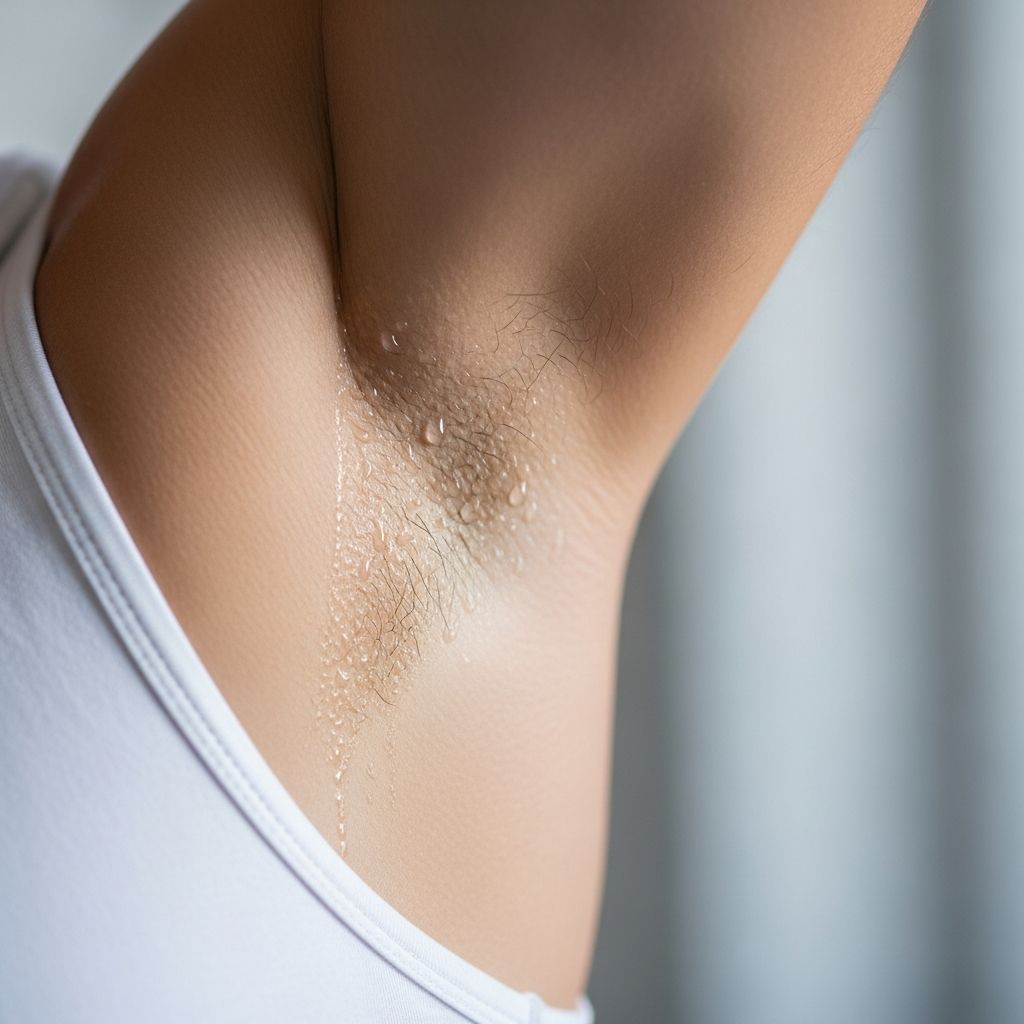
Excessive sweating in the armpits, medically termed axillary hyperhidrosis, affects millions and can disrupt daily life, causing embarrassment and discomfort. This condition involves overactive sweat glands producing sweat beyond what’s needed for temperature regulation.
What Is Hyperhidrosis?
Hyperhidrosis is a disorder characterized by abnormally increased perspiration that interferes with everyday activities. When it targets specific areas like the armpits, hands, or feet, it’s called focal or primary hyperhidrosis, often without an identifiable cause and frequently running in families. In contrast, secondary hyperhidrosis results from underlying medical conditions and may affect the entire body.
Sweat glands in the armpits (apocrine glands) are particularly prone to overactivity, leading to noticeable wet spots on clothing and persistent odor despite hygiene efforts. Unlike normal sweating triggered by heat, exercise, or stress, hyperhidrosis occurs independently of these factors.
Causes of Excessive Armpit Sweating
The body sweats to cool itself through evaporation, but in hyperhidrosis, sweat glands are overactive. Primary axillary hyperhidrosis has no clear trigger and appears to be genetic, with overactive sympathetic nerves stimulating glands excessively.
Secondary causes include medical conditions such as thyroid disorders, diabetes, menopause, infections, or neurological issues. Medications, anxiety, or obesity can also contribute. Unlike generalized sweating, armpit-focused cases are typically primary.
- Primary hyperhidrosis: Genetic predisposition, overactive sweat glands in armpits.
- Secondary hyperhidrosis: Linked to diseases like hyperthyroidism, heart conditions, or medications.
Symptoms of Axillary Hyperhidrosis
The hallmark symptom is profuse sweating in the armpits, often soaking through clothes and occurring at rest or in cool environments. Additional signs include skin maceration (softening), irritation, fungal infections, and social withdrawal due to odor or visible sweat.
Sweat may drip, and patients often report emotional distress, avoiding social situations or changing clothes multiple times daily. Nighttime sweating or sudden onset can signal secondary causes.
When to See a Doctor for Sweaty Armpits
Consult a healthcare provider if sweating disrupts daily life, occurs suddenly, accompanies weight loss, fever, rapid heartbeat, or night sweats. These may indicate underlying conditions requiring prompt evaluation.
A dermatologist or primary care doctor can assess severity and rule out secondary causes. Early intervention prevents complications like skin infections or psychological impact.
How Hyperhidrosis Is Diagnosed
Diagnosis begins with a medical history focusing on sweating patterns: location (armpits), timing (day/night), triggers, and associated symptoms. Visible sweating during exam confirms suspicion.
Tests include:
- Starch-iodine test: Iodine applied to armpits turns dark blue-black with starch where sweat is excessive.
- Paper test: Absorbent paper weighs sweat volume from armpits.
- Blood tests: Check thyroid function or other conditions.
- Imaging: Rarely, for tumors if suspected.
| Test | Description | Purpose |
|---|---|---|
| Starch-iodine | Iodine + starch on skin | Visualizes sweat areas |
| Paper | Weighs absorbed sweat | Quantifies sweat amount |
| Blood tests | Lab analysis | Identifies secondary causes |
Treatments for Excessive Armpit Sweating
Treatment escalates from conservative to invasive based on severity. Most start with topical options.
Antiperspirants
Clinical-strength antiperspirants with 10-20% aluminum chloride hexahydrate plug sweat ducts. Apply nightly to dry armpits; wash off morning. Prescription versions (up to 30%) suit severe cases. Side effects: irritation, fabric damage. Deodorants mask odor but don’t reduce sweat.
Related Stories



Medications
Oral anticholinergics like glycopyrrolate reduce gland stimulation but cause dry mouth, blurred vision. Topical glycopyrronium tosylate wipes are FDA-approved for axillae.
Iontophoresis
Electricity temporarily disables glands via water baths. Effective for hands/feet; less for armpits. Sessions: 20-30 minutes, 2-3x/week initially.
Botox Injections
Botulinum toxin blocks nerves triggering sweat glands. Injected into armpits; lasts 4-12 months. FDA-approved for primary axillary hyperhidrosis. Pain, flu-like symptoms possible.
Surgery
For refractory cases:
- MiraDry: Microwave destroys glands permanently (not in search but synthesized).
- Sweat gland removal: Curettage, excision, liposuction under local anesthesia.
- Sympathectomy: Cuts nerves; less ideal for armpits, better for palms.
| Treatment | Effectiveness | Duration | Side Effects |
|---|---|---|---|
| Antiperspirants | Mild-moderate | Daily | Irritation |
| Botox | High | 4-12 months | Pain, weakness |
| Surgery | Permanent | Lifelong | Scarring, compensatory sweat |
Lifestyle Tips to Manage Sweaty Armpits
Beyond medical treatments:
- Wear breathable fabrics like cotton; loose clothing.
- Shave armpits to reduce bacterial growth.
- Use absorbent pads/inserts.
- Avoid triggers: spicy foods, caffeine, alcohol.
- Manage stress with yoga or therapy.
- Bathe daily with antibacterial soap.
Primary vs. Secondary Hyperhidrosis
Primary: Focal (armpits), symmetric, lifelong, no disease link.
Secondary: Generalized, asymmetric, late-onset, treat underlying cause.
Frequently Asked Questions (FAQs)
Is excessive armpit sweating normal?
No, if it exceeds normal thermoregulation and impacts life, it’s hyperhidrosis.
Does hyperhidrosis go away?
Primary often persists; secondary resolves with cause treatment.
Can diet affect armpit sweating?
Yes, spicy foods and caffeine can exacerbate it.
Is Botox safe for armpits?
Yes, FDA-approved with temporary side effects.
Does surgery cure sweaty armpits?
Often permanent but risks compensatory sweating elsewhere.
Emotional and Social Impact
Hyperhidrosis leads to anxiety, depression, and isolation. Support groups and counseling help alongside treatments.
In summary, from antiperspirants to surgery, options abound for managing axillary hyperhidrosis effectively.
References
- Hyperhidrosis: MedlinePlus Medical Encyclopedia — MedlinePlus (U.S. National Library of Medicine). Accessed 2026. https://medlineplus.gov/ency/article/007259.htm
- Hyperhidrosis — Mayo Clinic. 2024-08-15. https://www.mayoclinic.org/diseases-conditions/hyperhidrosis/symptoms-causes/syc-20367152
- Primary Hyperhidrosis — International Hyperhidrosis Society. 2025-03-10. https://www.sweathelp.org/hyperhidrosis-treatments/hyperhidrosis-treatments.html
- Botulinum Toxin for Hyperhidrosis — American Academy of Dermatology. 2024-11-20. https://www.aad.org/public/diseases/a-z/hyperhidrosis-treatment
Similar Articles








Read full bio of medha deb