Why Are My Eyes Itchy? Answers From an Expert
Expert guide to understanding eye itchiness causes, symptoms, and effective treatment options.
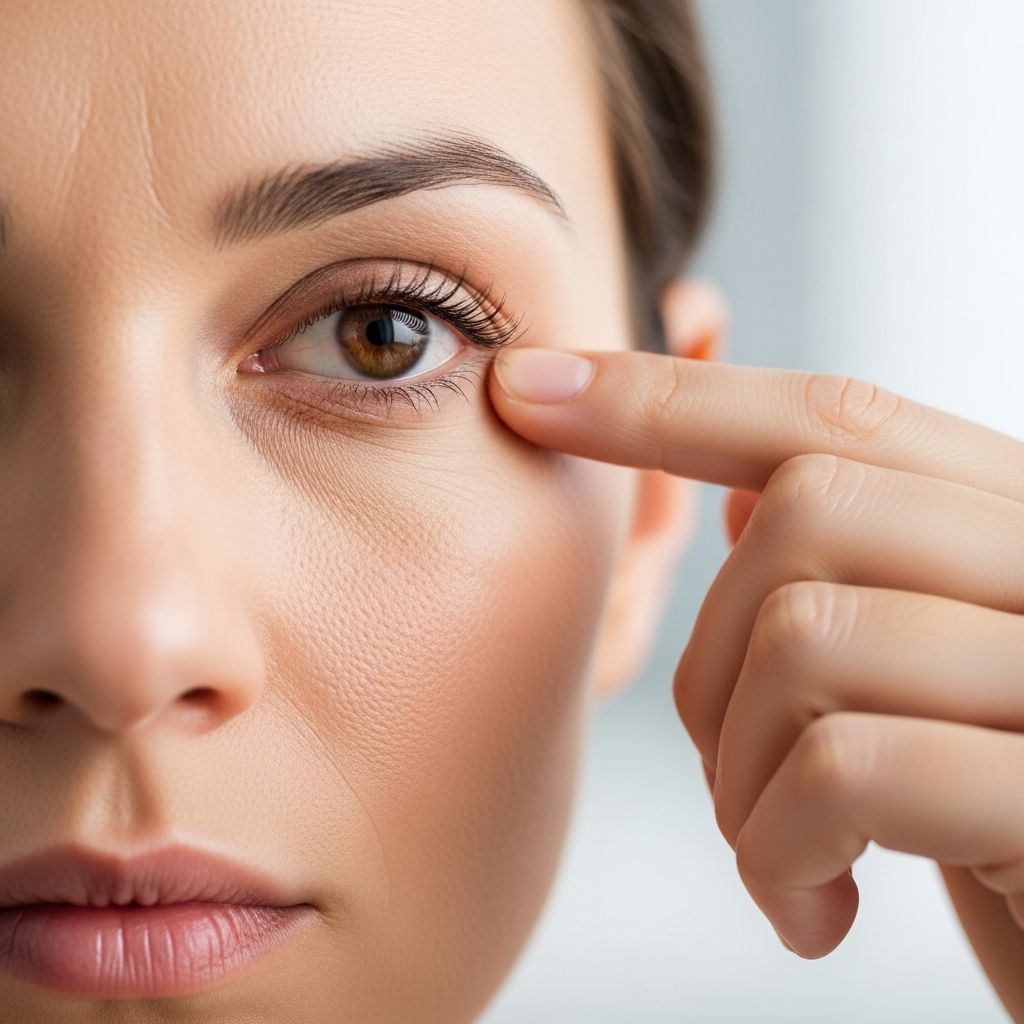
Eye itching is one of the most common complaints people bring to their eye care providers, yet the causes can vary widely. From seasonal allergies to infections and environmental factors, itchy eyes can range from a minor annoyance to a sign of a more serious condition. Understanding what triggers your eye itchiness is the first step toward finding effective relief and preventing future discomfort. Whether you experience occasional irritation or chronic itching, this comprehensive guide will help you identify potential causes and explore evidence-based treatment options.
Understanding the Causes of Itchy Eyes
Itchy eyes can develop from numerous causes, each requiring different approaches to treatment and management. By identifying the root cause of your eye itchiness, you can select the most appropriate remedies and prevent recurrence.
Allergic Conjunctivitis: The Most Common Culprit
Allergic conjunctivitis is the leading cause of itchy eyes, affecting millions of people worldwide. When you encounter an allergen such as pollen, pet dander, dust mites, mold, or even makeup, your body releases histamine in response. This chemical triggers an inflammatory response that causes blood vessels in the eye to dilate and nerve endings to become irritated, resulting in that characteristic itching sensation. Allergic eye itching is often accompanied by tearing, redness, and a watery discharge.
The intensity of allergic eye symptoms varies depending on allergen exposure and individual sensitivity. Some people experience symptoms year-round, while others notice symptoms primarily during specific seasons when pollen counts peak.
Dry Eye Syndrome
Dry eye syndrome occurs when your eyes lack sufficient moisture and lubrication. The tear film that normally protects and lubricates the eye becomes inadequate, leaving eyes more vulnerable to irritation from dust and airborne particles. This condition can lead to inflammation and, if left untreated, may result in scarring of the cornea. Hormonal changes, particularly during menopause, can exacerbate dry eyes by decreasing tear production.
Meibomian Gland Dysfunction
The Meibomian glands located in your upper and lower eyelids are responsible for secreting oils that maintain tear stability. When these glands become blocked or develop abnormally, the tear film loses its oil component, allowing tears to evaporate too quickly. This results in dry, itchy eyes that may feel gritty or uncomfortable.
Blepharitis and Eyelid Inflammation
Blepharitis is inflammation of the eyelid edges, most commonly caused by bacteria, improper functioning of oil glands, or skin conditions such as seborrheic dermatitis or rosacea. This condition causes itchy, red, swollen eyelid edges with flaky skin or crust at the lash line. Symptoms are often worse in the morning and may include a gritty or burning sensation. Blepharitis can persist for years but can be effectively managed with consistent daily eyelid hygiene.
Infectious Conjunctivitis (Pink Eye)
Eye infections like conjunctivitis can cause significant itchiness, redness, and discharge. Conjunctivitis may be viral, bacterial, or allergic in nature. Bacterial conjunctivitis typically produces thick, yellowish discharge and causes eyelids to stick together, especially upon waking. Viral conjunctivitis produces watery discharge and is highly contagious. Both types require professional evaluation to determine appropriate treatment, whether antibiotics, antiviral medications, or supportive care.
Atopic Keratoconjunctivitis and Atopic Dermatitis
Atopic keratoconjunctivitis involves inflammation of both the cornea and conjunctiva, occurring in individuals genetically predisposed to abnormal allergic reactions. People with this condition produce higher than average levels of antibodies that may affect them year-round. Similarly, atopic dermatitis (a form of eczema) can create patches of dry and scaly skin that irritate the area surrounding the eyes and other body parts.
Related Stories



Giant Papillary Conjunctivitis
This eye condition is often related to an allergic reaction and typically presents as large bumps under the eyelids. Common causes include prolonged contact lens use, artificial eye use, or exposed sutures following eye surgery.
Environmental Irritants
Your eyes are exposed to environmental irritants daily—smoke, air pollution, chemical fumes, chlorine in pools, and harsh wind. These factors don’t necessarily cause allergies but can inflame the eyes and lead to itchiness. Environmental irritation tends to be temporary and resolves once you remove yourself from the irritating environment.
Contact Lens-Related Issues
Contact lens wearers may experience infections from lens use, and in some cases, the cornea can become damaged and scarred. Improper lens care, overwear, or wearing lenses longer than recommended can trigger itchiness and irritation.
Other Eye Infections
Uveitis, an inflammation of the iris (the colored part of your eye), can cause eye pain and extreme sensitivity to light. Bacterial and viral infections affecting the eye can introduce common pathogens including Staphylococcus aureus, Streptococcus pneumoniae, and Haemophilus influenzae.
Recognizing Associated Symptoms
Understanding the symptoms accompanying your eye itchiness can help narrow down potential causes:
- Allergic reactions: Itching, redness, tearing, watery discharge
- Dry eyes: Itching, burning, grittiness, blurred vision
- Blepharitis: Red, swollen eyelid edges, flaking, crusting, morning symptoms
- Bacterial conjunctivitis: Redness, thick discharge, eyelids sticking together, swelling
- Viral conjunctivitis: Redness, watery discharge, light sensitivity
- Uveitis: Eye pain, light sensitivity, blurred vision
- Environmental irritation: Temporary itching and burning
Effective Treatment Strategies
Treatment for itchy eyes depends entirely on the underlying cause. A healthcare provider will recommend specific options based on your condition and medical history.
General Care Measures
Regardless of the cause, several general measures can provide relief:
- Identifying and avoiding the trigger (allergen, irritant, or contact lens material)
- Applying cool or warm compresses to soothe irritation
- Maintaining excellent eye hygiene by washing hands frequently
- Regulating air temperature and humidity in your environment
- Taking regular breaks from screens to reduce eye strain
Allergy-Related Treatments
For allergic conjunctivitis, several options can provide relief:
- Over-the-counter antihistamine or anti-allergy eye drops
- Oral antihistamines and mast-cell stabilizers
- Prescription antihistamine eye drops for more severe cases
- Cold compresses to reduce swelling and itching
- Limiting allergen exposure by keeping windows closed during high pollen days
- Using air purifiers to reduce indoor allergens
Dry Eye Management
For dry eyes, recommended treatments include:
- Using artificial tears regularly to maintain lubrication
- Applying medications to increase tear production
- Using steroid injections above the upper eyelid for severe cases
- Avoiding contact lenses or switching to a different type
- Using warm compresses to stimulate oil gland function
Blepharitis Treatment
Managing blepharitis requires daily hygiene practices:
- Using warm compresses to loosen dirt and debris from eyelids
- Gently scrubbing or cleansing the eyelid edges
- Applying antibiotic ointments as prescribed
- Maintaining consistent daily care to prevent recurrence
Infection-Related Treatments
For infectious conjunctivitis, treatment depends on the cause:
- Antibiotics for bacterial infections
- Antiviral medications for viral infections
- Anti-inflammatory eye drops
- Supportive care with cool compresses and artificial tears
Environmental Irritant Relief
When environmental factors cause itchiness:
- Wear protective glasses or goggles in hazardous environments
- Use artificial tears to flush out irritants
- Avoid direct exposure to strong fumes or smoke
- Take regular breaks from irritating environments
Home Care and Prevention Strategies
Beyond medical treatments, several home care strategies can prevent and manage itchy eyes:
- Eye hygiene: Wash your hands before touching your eyes, and avoid rubbing them excessively
- Clean compress application: Use sterile, clean cloths or disposable compresses
- Contact lens care: Follow proper cleaning protocols and replace lenses according to schedule
- Environmental control: Monitor pollen counts and adjust outdoor activities accordingly
- Screen time management: Follow the 20-20-20 rule—every 20 minutes, look at something 20 feet away for 20 seconds
- Makeup practices: Replace eye makeup regularly, remove makeup thoroughly before bed, and avoid sharing makeup
- Saltwater solutions: Cleaning eyes with sterile saltwater can provide relief and remove irritants
When to Seek Professional Care
While many cases of itchy eyes resolve with home care, you should consult an eye care provider if:
- Itching persists for more than a few days
- You experience eye pain or vision changes
- There is significant discharge or crusting
- Your eyelids are severely swollen or red
- You have signs of infection
- Home remedies provide no relief
- Symptoms worsen despite treatment
Frequently Asked Questions
Q: Can itchy eyes lead to serious complications?
A: While most causes of itchy eyes are benign, untreated conditions like uveitis can lead to vision loss and serious complications such as glaucoma and cataracts. Chronic dry eye syndrome may cause corneal scarring if left untreated. Proper diagnosis and timely treatment help prevent these complications.
Q: Are over-the-counter eye drops safe to use regularly?
A: Artificial tears are generally safe for regular use, but decongestant eye drops should not be used for extended periods as they can cause rebound redness. Always follow package directions and consult your eye care provider about long-term use.
Q: Can I wear contact lenses if I have itchy eyes?
A: This depends on the underlying cause. If itchiness is due to lens-related issues, switching to a different lens type or taking a break from lenses may be recommended. Your eye care provider can determine whether you should continue wearing contacts.
Q: How long does blepharitis typically last?
A: Blepharitis can persist for years, but it can be effectively managed with consistent daily eyelid hygiene and care. Proper management can significantly reduce symptoms and prevent complications.
Q: Is allergic conjunctivitis contagious?
A: No, allergic conjunctivitis is not contagious because it results from an allergic reaction rather than an infection. However, bacterial and viral conjunctivitis are highly contagious and require proper treatment and hygiene to prevent spreading.
Q: Can hormonal changes affect eye itchiness?
A: Yes, hormonal changes during menopause can decrease tear production, leading to dry, itchy eyes. Both treating the underlying hormonal factors and providing tear production support through eye drops is important.
References
- Itchy Eyes: Causes and Treatment Options — Medical News Today. 2024. https://www.medicalnewstoday.com/articles/316536
- Common Causes of Itchy Eyes & Effective Treatments — Clearview Eye. 2024. https://www.clearvieweyes.com/blog/common-causes-of-itchy-eyes-and-treatments
- Itchy Eye Causes: 8 Reasons Your Eyes Itch — Healthline. 2024. https://www.healthline.com/health/eye-health/8-causes-of-itchy-eyes
- Itchy Eyes: Causes, Treatment and Self-Help — Healthdirect. 2024. https://www.healthdirect.gov.au/itchy-eyes
- Itchy Eyes: Symptoms, Causes, and Treatment — WebMD. 2024. https://www.webmd.com/eye-health/itchy-eyes-symptoms-causes-treatment
- Eye Allergies: Causes, Symptoms & Treatment — American College of Allergy, Asthma and Immunology (ACAAI). https://acaai.org/allergies/allergic-conditions/eye-allergy/
Similar Articles








Read full bio of Sneha Tete