Why Are The Bottom Of My Feet Yellow? 6 Causes & What To Do
Discover the common causes of yellow soles on your feet, from harmless diet changes to serious health conditions requiring medical attention.
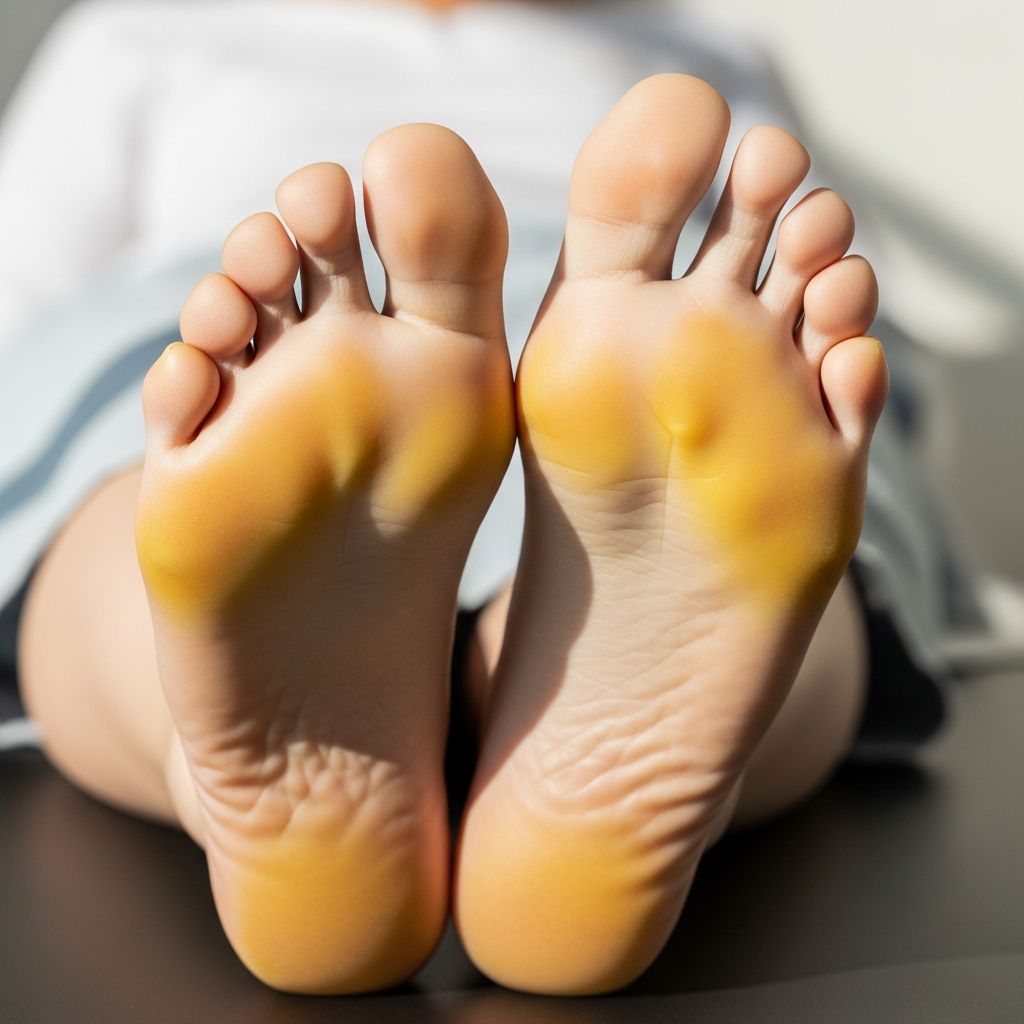
Noticing a yellow tint on the soles of your feet can be concerning, but it’s often due to benign causes like thickened skin or diet. However, it may signal underlying health issues such as liver problems or infections, warranting prompt evaluation.
This comprehensive guide covers the primary reasons for yellow feet bottoms, diagnostic tips, treatments, and when to consult a healthcare professional. Understanding these factors empowers you to address the issue effectively.
What Causes Yellow Feet?
Yellow discoloration on the bottom of the feet, known as yellow soles or hyperkeratosis in some cases, results from various factors. These range from mechanical skin changes to systemic conditions affecting pigment deposition or bilirubin levels. Common culprits include localized skin buildup and metabolic imbalances.
1. Calluses and Corns
**Calluses and corns** are the most frequent cause of yellow feet bottoms. These are thickened, hardened areas of skin formed from repeated friction or pressure, such as from ill-fitting shoes or prolonged standing. The dead skin accumulates, appearing dull yellow due to keratin buildup.
Typically painless, calluses on soles protect underlying tissue but can crack if neglected, leading to discomfort. Corns, smaller and often with a hard center, form over bony prominences. Risk factors include high-impact activities, diabetes, and aging skin.
- Appearance: Thick, waxy, yellowish patches, drier than surrounding skin.
- Locations: Heels, balls of feet, under toes.
- Prevalence: Common in 20-30% of adults, higher in elderly.
2. Fungal Infections
Fungal infections like
athlete’s foot (tinea pedis)
thrive in moist environments, causing yellowing alongside scaling, itching, and odor. The infection disrupts skin pigmentation, leading to yellowish discoloration on soles.Symptoms worsen between toes or on soles, spreading if untreated. Contagious via shared floors or shoes, it’s prevalent in humid climates or public showers.
- Key signs: Burning, cracking, yellow-brown patches.
- Risk groups: Athletes, diabetics, immunocompromised.
3. Jaundice
**Jaundice** occurs when bilirubin, a red blood cell byproduct, accumulates due to liver dysfunction, bile duct obstruction, or hemolysis. It yellows skin, eyes (sclera), and mucous membranes, including foot soles.
Causes include hepatitis (A/B/C), cirrhosis, gallstones, medications (e.g., penicillin, steroids), or pancreatic cancer. Unlike localized yellowing, jaundice affects the whole body.
- Symptoms: Fatigue, dark urine, pale stools, abdominal pain.
- Urgency: Immediate medical attention needed.
4. Carotenemia
**Carotenemia** results from excess beta-carotene intake from foods like carrots, sweet potatoes, pumpkins, and mangoes. The pigment deposits in fatty skin layers, notably palms and soles, causing harmless yellow-orange hues.
Common in children (5% incidence) and vegetarians, it spares the eyes unlike jaundice. Conditions like hypothyroidism, diabetes, or kidney disease impair carotenoid clearance, exacerbating it.
- Reverses with dietary reduction in 4-8 weeks.
- Safe, no toxicity.
5. Diabetes and Poor Circulation
Related Stories



In
diabetes
, neuropathy and vascular issues cause skin changes, including yellow soles from poor perfusion or infections. Thickened skin (shiny, yellow) signals advanced disease.Poor circulation limits healing, raising ulcer risk. High cholesterol or hypothyroidism may contribute.
- Associated risks: Infections, neuropathy, amputations if ignored.
6. Other Skin Conditions
Psoriasis, eczema, or anemia can cause patchy yellowing with dryness, redness, or flaking. Anemia leads to pallor with secondary yellowing; rare cases involve lymphedema.
How Is Yellow Feet Diagnosed?
Diagnosis starts with a physical exam and history: diet, symptoms, medications, diabetes status. Doctors assess if yellowing is localized (calluses) or systemic (jaundice).
- Skin scraping: For fungal confirmation via microscopy.
- Blood tests: Bilirubin, liver enzymes, glucose, thyroid function.
- Imaging: Ultrasound for liver/gallbladder issues.
- Biopsy: Rare, for persistent lesions.
Differentiating carotenemia (spares eyes, diet-related) from jaundice (eyes affected) is key via bloodwork.
Treatments for Yellow Bottoms of Feet
Treatment targets the cause. Most resolve with home care, but systemic issues need medical intervention.
For Calluses and Corns
Soak feet in warm water 10-15 minutes daily, then gently file with pumice. Use urea creams (20-40%) to soften keratin. Avoid cutting; see a podiatrist for debridement.
| Method | Frequency | Benefits |
|---|---|---|
| Pumice scrubbing | Daily post-soak | Reduces thickness safely |
| Moisturizers | Twice daily | Prevents cracking |
| Orthotics | As needed | Redistributes pressure |
For Fungal Infections
Over-the-counter antifungals (clotrimazole, terbinafine) for 2-4 weeks. Keep feet dry, use antifungal powders. Oral meds for severe cases.
For Jaundice
Treat underlying issue: antivirals for hepatitis, surgery for blockages. Hospitalization for liver failure.
For Carotenemia
Reduce beta-carotene foods; monitor for 1-2 months. No supplements needed.
For Diabetes-Related Issues
Glycemic control, circulation-boosting exercise, specialist foot care. Daily inspections essential.
Prevention Tips for Yellow Feet
Prevent recurrence with proactive habits:
- Wear properly fitted shoes and moisture-wicking socks.
- Daily foot hygiene: wash, dry thoroughly, moisturize.
- Balanced diet; limit extreme carotenoid intake.
- Regular podiatrist visits if diabetic or elderly.
- Monitor for systemic symptoms like fatigue or itching.
When to See a Doctor for Yellow Feet
Seek care if yellowing persists >2 weeks, spreads, or accompanies:
- Yellow eyes/skin (jaundice).
- Pain, swelling, fever, ulcers.
- Itching, peeling, odor (infection).
- Dark urine, abdominal pain.
Children with yellow soles warrant pediatric evaluation. Early intervention prevents complications.
Frequently Asked Questions (FAQs)
Can diet cause yellow soles?
Yes, carotenemia from excess carrots/sweet potatoes causes harmless yellowing on soles/palms.
Are yellow feet a diabetes sign?
Not directly, but diabetes causes skin changes via poor circulation. Check blood sugar if at risk.
Do yellow feet indicate liver cancer?
Possibly via jaundice; yellow eyes + fatigue need urgent liver evaluation.
Why are my child’s feet yellow?
Often diet-related carotenemia or mild infections; less commonly systemic.
Are yellow cold feet serious?
May signal circulation issues; see doctor if persistent.
References
- Why Are the Bottoms of My Feet Yellow – Common Causes — My Foot Dr. Singapore. 2023. https://myfootdr.com.sg/why-are-the-bottoms-of-my-feet-yellow-common-causes/
- Yellowish Foot Sole Causes and Treatments — Foot & Ankle Centers of Arizona. 2024. https://www.footankleaz.com/blog/foot-health/yellowish-foot-sole/
- Yellow feet: 6 potential causes — Medical News Today. 2023-05-21. https://www.medicalnewstoday.com/articles/325874
- Yellow Feet Causes: Calluses, Diabetes, Liver Conditions, Diet, More — Healthline. 2024. https://www.healthline.com/health/yellow-feet
- Yellow Palms: What Is Carotenemia? — WebMD. 2024. https://www.webmd.com/diet/what-to-know-yellow-palms
- Treating Common Foot Problems Among the Elderly — Balance Health. 2023. https://balancehealth.com/resources/treating-common-foot-problems-among-the-elderly/bay-area-foot-care/
Similar Articles








Read full bio of medha deb