Why Are You Coughing at Night? Causes & Relief
Discover common causes of nighttime coughing and effective treatments to improve your sleep quality.
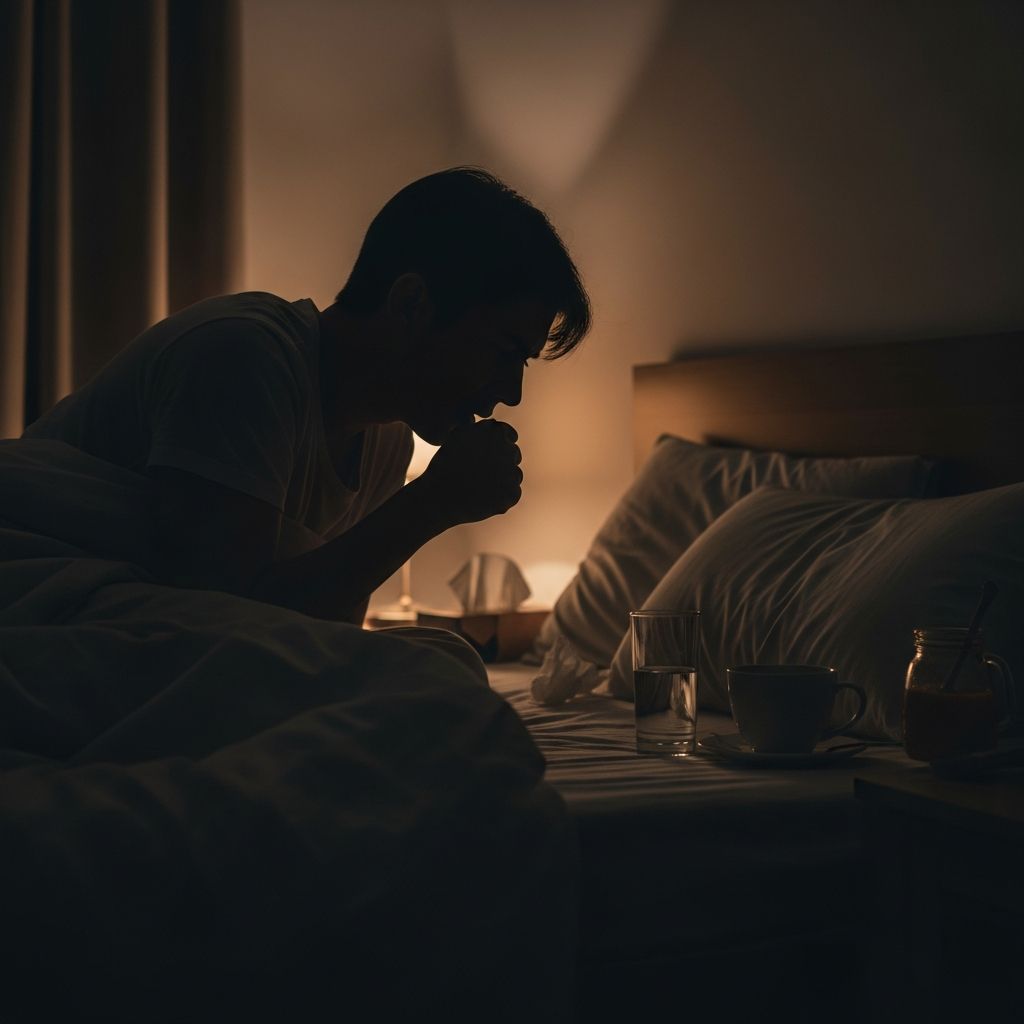
Why Are You Coughing at Night?
A persistent nighttime cough can significantly disrupt your sleep quality and daily functioning. Unlike daytime coughing, nighttime coughs often intensify when you lie down, making it difficult to fall asleep and maintain restorative sleep. Understanding the underlying causes of your nighttime cough is the first step toward finding relief and improving your overall well-being.
Understanding Cough Types
Before exploring the causes of nighttime coughing, it’s important to distinguish between two primary types of coughs. A productive cough, also called a wet cough, brings up mucus or phlegm from your airways. In contrast, an unproductive cough, or dry cough, does not produce any mucus. Dry coughs are particularly common at night and often result from throat irritation rather than excess mucus production.
Common Causes of Nighttime Coughing
Viral Infections
Viral infections remain among the most prevalent causes of nighttime coughing. Colds and influenza typically trigger acute symptoms lasting about one week, but the effects often persist far longer. When upper airway inflammation occurs during a cold or flu, it can take considerable time for the damaged tissues to heal completely. During this recovery phase, your airways become raw and sensitive, making them susceptible to various triggers. At night, when your throat naturally becomes drier due to reduced saliva production during sleep, almost anything can provoke a cough. Many individuals experience lingering dry coughs for weeks after the acute cold or flu symptoms have disappeared, creating a frustrating cycle of sleep disruption.
Asthma
Asthma represents a significant contributor to nighttime coughing, particularly in individuals with uncontrolled symptoms. This chronic condition causes the airways to swell and narrow, restricting airflow and triggering a protective cough response. Asthmatic coughs often worsen during nighttime hours and early morning, when airways tend to be more reactive. A dry cough that intensifies at night accompanied by shortness of breath may indicate asthma, especially if the cough appears following a respiratory tract infection or worsens in response to cold air, cleaning products, or certain fragrances. Beyond coughing, asthma typically produces additional symptoms including wheezing, chest tightness, and breathing difficulties.
Postnasal Drip
Postnasal drip is particularly problematic during nighttime hours. When your body produces excess mucus—whether from colds, allergies, sinus infections, or flu—this mucus drips from your nasal passages down the back of your throat. While this drainage occurs throughout the day, you may only notice mild throat clearing during waking hours. However, when you lie down to sleep, gravity changes the path of mucus drainage, causing it to pool at the back of your throat. This accumulated mucus irritates your vocal cords and airway, triggering persistent coughing. Associated symptoms include sore throat, throat clearing, difficulty swallowing, and nasal congestion.
Related Stories



Acid Reflux and GERD
Gastroesophageal reflux disease (GERD) and general acid reflux frequently cause nighttime coughing. When stomach contents rise through the esophagus and into the larynx or bronchial tree, they trigger the cough reflex. Nighttime presents particular challenges because lying down facilitates acid reflux into the throat. Silent reflux, where acid reaches the throat without producing typical heartburn sensations, often causes a lingering cough as the only noticeable symptom. Individuals with acid reflux commonly experience heartburn, chest pain, regurgitation, throat lump sensation, chronic sore throat, and mild hoarseness.
Environmental Irritants and Other Factors
Environmental triggers can provoke nighttime coughing even without underlying respiratory disease. Cigarette smoke, strong perfumes, dust, and poor air quality irritate airways and trigger cough responses. Additionally, certain medications, particularly ACE inhibitors used for blood pressure control, can cause chronic dry coughs as a side effect. Whooping cough and other less common respiratory infections may also present with prominent nighttime symptoms.
Why Coughing Worsens at Night
Several physiological factors explain why coughing intensifies when you lie down. Your body position dramatically affects mucus drainage patterns. During the day, while standing or sitting upright, mucus drains more efficiently through normal swallowing and throat clearing. When horizontal, however, mucus pools at the back of your throat more readily, triggering cough reflexes.
Additionally, your throat naturally becomes drier during sleep due to reduced saliva production. This dry throat becomes increasingly sensitive to airway irritants that might not bother you during the day. If you sleep with your mouth open due to nasal congestion, your throat dries even further, compounding the problem. The combination of reduced saliva, pooled mucus, and increased throat sensitivity creates an ideal environment for nighttime coughing episodes.
Effective Home Remedies for Nighttime Cough Relief
Humidifiers
Humidifiers offer one of the most effective home remedies for nighttime coughing. These devices add moisture to your bedroom air, helping maintain adequate throat hydration while you sleep. By keeping your throat moist, humidifiers protect it from irritants and provide an opportunity for damaged tissues to heal. This approach proves particularly beneficial if you tend to sleep with your mouth open due to nasal congestion, as it counteracts the resulting throat dryness.
Elevation and Position Adjustments
Changing your sleeping position can significantly reduce nighttime coughing. Elevating your head with extra pillows helps prevent mucus from pooling at the back of your throat and reduces acid reflux into the esophagus. This simple adjustment harnesses gravity to encourage proper fluid drainage and can provide immediate relief.
Hydration and Throat Soothing
Staying well-hydrated helps thin mucus secretions and soothes irritated airways. Warm liquids, particularly herbal teas with honey, can coat your throat and reduce irritation. However, avoid consuming liquids immediately before bedtime, as they may trigger additional coughing or exacerbate acid reflux symptoms.
Avoiding Triggers
Identify and eliminate environmental triggers in your bedroom. Remove potential irritants such as strong fragrances, dust, and smoke. If acid reflux contributes to your cough, avoid eating heavy, greasy, or caffeine-containing foods several hours before bed, as these can trigger nighttime reflux episodes.
Over-the-Counter Medications
Cough Suppressants
Over-the-counter cough suppressants, known medically as antitussives, work by blocking your cough reflex at the brain level. These medications prove particularly effective for dry nighttime coughs because they prevent the reflex from being triggered while you sleep, allowing for uninterrupted rest. Common active ingredients include dextromethorphan (DXM) and other antitussive agents.
Expectorants
Expectorants function differently from suppressants by thinning mucus in your airways, making it easier to cough up secretions. These medications work best for productive coughs involving mucus production. However, for dry nighttime coughs, suppressants typically provide better relief than expectorants.
When to Seek Medical Attention
While most nighttime coughs resolve with home remedies or over-the-counter treatments, certain warning signs warrant professional medical evaluation. Consult a healthcare provider if your cough persists for more than three weeks, is accompanied by blood in sputum, causes significant breathing difficulties, or follows a pattern suggesting asthma or acid reflux. Additionally, if your cough develops suddenly without preceding cold symptoms or occurs alongside chest pain and fever, medical evaluation becomes important.
Healthcare providers can perform necessary testing, including chest imaging or allergy assessments, to identify underlying conditions requiring specific treatment. For acid reflux-related coughs, prescription medications may prove more effective than over-the-counter options. Asthma-related coughs often require controller medications to prevent symptoms rather than just treating the cough itself.
Comparing Treatment Approaches
| Treatment Method | Best For | Effectiveness Timeline | Considerations |
|---|---|---|---|
| Humidifier | Dry throat, general irritation | Immediate to gradual | Non-medication, safe for all ages |
| Cough Suppressants | Dry nighttime coughs | 30 minutes to 1 hour | May mask underlying conditions |
| Expectorants | Productive, mucus-filled coughs | 30 minutes to 1 hour | Less effective for dry coughs |
| Position Elevation | Postnasal drip, acid reflux | Immediate | Free, accessible to everyone |
| Throat Lozenges/Honey | Throat irritation, soreness | Immediate | Temporary relief only |
Frequently Asked Questions About Nighttime Coughing
Q: Why does my cough only happen at night?
A: Nighttime coughing intensifies due to body position changes that affect mucus drainage, reduced saliva production during sleep, and relaxed throat muscles that become more sensitive to irritants. Additionally, you don’t actively clear your throat while sleeping, allowing irritants to accumulate.
Q: Can allergies cause nighttime coughing?
A: Yes, allergies frequently trigger nighttime coughing through postnasal drip and airway inflammation. Allergens like dust mites in bedding can exacerbate symptoms at night, making environmental controls particularly important.
Q: How long does a post-cold cough typically last?
A: Post-cold coughs can persist for several weeks after acute symptoms resolve due to ongoing airway irritation and inflammation. This lingering effect is completely normal and usually resolves gradually without intervention.
Q: Should I use a humidifier every night?
A: Using a humidifier during nighttime, particularly when experiencing a cough, provides significant benefit. Maintaining humidity levels between 30-50% helps prevent throat dryness without promoting mold growth.
Q: Can acid reflux cause a dry cough at night?
A: Absolutely. Acid reflux often causes dry coughs that worsen when lying down, sometimes as the only noticeable symptom. Managing reflux through dietary modifications and medication adjustments can resolve the associated cough.
Q: When should I see a doctor about my nighttime cough?
A: Seek medical attention if your cough persists beyond three weeks, accompanies concerning symptoms like chest pain or blood in sputum, or significantly impacts your sleep and daily functioning. A healthcare provider can identify underlying causes and recommend appropriate treatment.
References
- Dry Cough at Night: Causes, Home Remedies, Treatments — Healthline. 2022-05-31. https://www.healthline.com/health/dry-cough-at-night
- Why Do You Cough? — WebMD. https://www.webmd.com/cold-and-flu/overview
- What to Know About a Lingering Cough — BIDMC of Boston. https://www.bidmc.org/about-bidmc/wellness-insights/chest-diseases/what-to-know-about-a-lingering-cough
- Why Do I Cough at Night or When I Lie Down? — Robitussin. https://www.robitussin.com/cough-cold-center/why-do-i-cough-at-night/
Similar Articles








Read full bio of Sneha Tete