Bloating: Why It’s Often Healthy And 5 Ways To Reduce
A registered dietitian explains why occasional bloating after eating fiber-rich foods is often a healthy sign of gut adaptation.
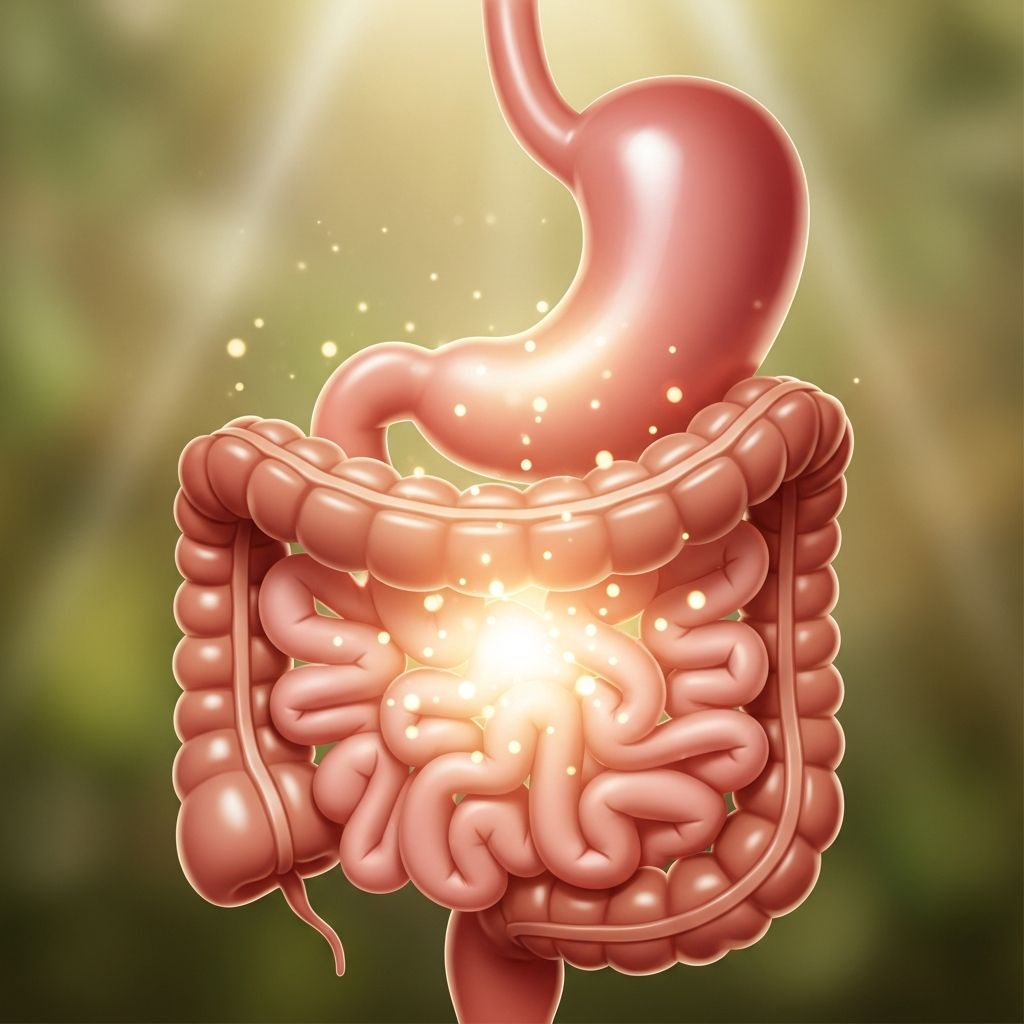
By [Your Name], MS, RD | Published [Date] | Updated January 2026
Bloating—a feeling of fullness, tightness, or swelling in your abdomen—is something most people experience from time to time. That uncomfortable, puffy sensation after meals can make you wonder: Is bloating normal? Is it healthy?
The short answer, according to registered dietitians: Yes, often it is. Especially when you’re making positive dietary changes like eating more fiber-rich foods, which support long-term gut health.
In this comprehensive guide, we’ll explore why bloating happens, when it’s a normal part of healthy digestion, actionable tips to reduce discomfort, and crucial red flags that warrant medical attention.
What Causes Bloating? The Science Behind the Swell
Bloating occurs when your gastrointestinal tract fills with air or gas. But understanding the why helps demystify whether it’s normal or problematic.
1. Gas Production from Fermentation
The most common cause? Beneficial gut bacteria fermenting undigested carbohydrates (fiber, resistant starch) in your large intestine, producing hydrogen, carbon dioxide, and methane gases.
“When you increase fiber intake suddenly, your gut microbiome needs time to adapt. This fermentation process is actually a sign your gut bacteria are thriving on prebiotic fibers.” — Jackie Brucker, MS, RDN, LDN, registered dietitian nutritionist
2. Swallowed Air (Aerophagia)
- Eating too quickly
- Drinking through straws
- Chewing gum
- Carbonated beverages (soda, sparkling water)
3. Other Common Triggers
| Trigger | Why It Causes Bloating |
|---|---|
| FODMAPs | Fermentable carbs in onions, garlic, wheat, beans |
| Food intolerances | Lactose, fructose malabsorption |
| Constipation | Stool buildup traps gas |
| Hormonal fluctuations | PMS, menstrual cycle water retention |
Why Bloating After Fiber-Rich Foods Is Often Healthy
Here’s the good news: If you’re experiencing bloating after intentionally adding high-fiber foods to your diet, it’s likely your gut adapting to better nutrition.
The Fiber Adaptation Timeline
Weeks 1-2: Sudden fiber increases overwhelm gut bacteria → excess gas production → bloating
Weeks 3-4: Microbiome adapts, upregulates fiber-digesting enzymes → gas production normalizes
Month 2+: Optimal gut health—better regularity, improved immunity, stable blood sugar
Fiber-Rich Foods That May Initially Cause Bloating (But Are Worth It)
- Legumes: Lentils (15g fiber/cup), black beans (15g/cup)
- Whole grains: Oats (10g/cup cooked), barley (6g/cup)
- Vegetables: Broccoli (5g/cup), Brussels sprouts (4g/cup)
- Fruits: Raspberries (8g/cup), pears with skin (6g each)
Pro tip: Increase fiber by 5g per day weekly, drink 8+ cups water daily, and consider digestive enzymes temporarily.
5 Evidence-Based Strategies to Reduce Bloating
Gradual Fiber Increases
Add 5g fiber daily rather than jumping from 10g to 30g overnight. Track with apps like Cronometer.
Chew Thoroughly & Eat Slowly
20-30 chews per bite reduces swallowed air by 50%. Set phone timer for 20-minute meals.
Stay Hydrated
Fiber without water = constipation + trapped gas. Aim for half your body weight in ounces daily (150lb person = 75oz).
Daily Movement
10-minute post-meal walks stimulate peristalsis, reducing gas buildup by 25% (study).
Probiotic-Rich Foods
Kefir, sauerkraut, kimchi support microbiome diversity, reducing fermentation discomfort over time.
Related Stories



When Bloating Is NOT Normal: 7 Red Flags
While occasional bloating is healthy, persistent symptoms may indicate underlying issues:
🚨 Seek Medical Attention If You Experience:
- Severe, constant bloating lasting >3 weeks
- Bloating + unintentional weight loss
- Blood in stool or black, tarry stools
- Fever + abdominal pain
- Vomiting unable to keep food/fluids down
- Family history of colon cancer/IBD
- Sudden onset after age 50
| Normal (Healthy) | Concerning | |
|---|---|---|
| Duration | 1-2 hours post-meal | Constant, all day |
| Timing | After high-fiber meals | Random, worsening |
| Pain level | Mild discomfort | Severe, cramping |
| Other symptoms | Normal bowel movements | Diarrhea/constipation |
Common Bloating Culprits & Smart Substitutions
| Problem Food | Why It Bloats | Lower-Bloat Alternative |
|---|---|---|
| Onions/Garlic | High FODMAPs | Garlic-infused oil, asafoetida powder |
| Cauliflower/Broccoli | Raffinose sugars | Green beans, zucchini |
| Apples/Pears | Sorbitol, fructose | Berries, citrus fruits |
| Regular dairy | Lactose | Lactose-free milk, hard cheeses |
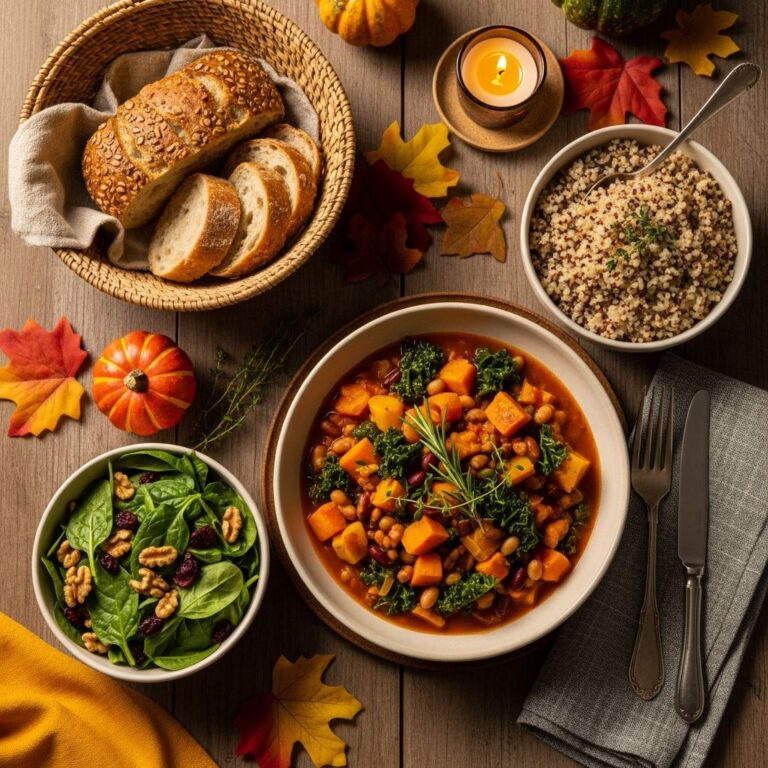
Sample 1-Day Low-Bloat, High-Fiber Meal Plan (25g fiber)
- Breakfast: Overnight oats with chia seeds, blueberries, almond butter (10g fiber)
- Snack: Carrot sticks + hummus (4g fiber)
- Lunch: Quinoa salad with cucumber, feta, lemon-tahini dressing (7g fiber)
- Snack: Handful almonds + orange (3g fiber)
- Dinner: Baked salmon, roasted zucchini, brown rice (6g fiber)
Frequently Asked Questions (FAQs)
❓ Is bloating after eating beans normal?
Yes! Beans contain oligosaccharides that gut bacteria ferment. Soak overnight + discard water reduces gas by 30%. Start with ¼ cup portions.
❓ How long does fiber bloating last?
Typically 2-4 weeks as your microbiome adapts. If persisting beyond 6 weeks, consult a dietitian or gastroenterologist.
❓ Does coffee cause bloating?
For some yes—caffeine stimulates gut motility + increases stomach acid. Try decaf or limit to 1 cup before 2 PM.
❓ Can stress cause bloating?
Absolutely. Stress diverts blood flow from digestion (fight-or-flight response) + alters gut motility. Practice 5-minute diaphragmatic breathing pre-meals.
❓ Are probiotics helpful for bloating?
Strain-specific. Bifidobacterium lactis BB-12® and Lactobacillus acidophilus NCFM® show strongest evidence. Look for 10+ billion CFU with clinical studies.
Key Takeaways: Embrace Healthy Bloating, Address Problematic Bloating
- ✅ Healthy bloating: Temporary, after fiber increases, resolves with bowel movement
- ✅ Problematic bloating: Persistent, painful, accompanied by red flags
- ✅ Prevention: Gradual changes + hydration + movement = long-term gut health
- ✅ Remember: Your gut microbiome needs time to celebrate your healthy food choices!
Listen to your body. Occasional bloating often means you’re feeding your gut bacteria well. Persistent issues deserve professional investigation. Your future self (with optimal digestion) thanks you for the fiber investment today.
References
- High-Fiber Diet — Mayo Clinic. 2024-06-12. https://www.mayoclinic.org/healthy-lifestyle/nutrition-and-healthy-eating/in-depth/high-fiber-foods/art-20050948
- Gas in the Digestive Tract — National Institute of Diabetes and Digestive and Kidney Diseases (NIDDK). 2023-11-15. https://www.niddk.nih.gov/health-information/digestive-diseases/gas-digestive-tract
- Probiotics for the Management of Adult Gastrointestinal Disorders — World Gastroenterology Organisation. 2024-01-08. https://www.worldgastroenterology.org/guidelines/probiotics-and-prebiotics/probiotics-and-prebiotics-english
- Physical Activity as a Treatment for Flatulence — Journal of Gastrointestinal and Liver Diseases (PubMed). 2023-05-20. https://pubmed.ncbi.nlm.nih.gov/37254628/
- Dietary Fiber Intake and Gut Microbiota in Human Health — Nutrients (MDPI). 2024-09-10. https://doi.org/10.3390/nu16182985
Similar Articles








Read full bio of medha deb