Why Cilantro Tastes Like Soap to Some People
Discover the genetic reason behind cilantro tasting like soap—and how you might learn to love it.
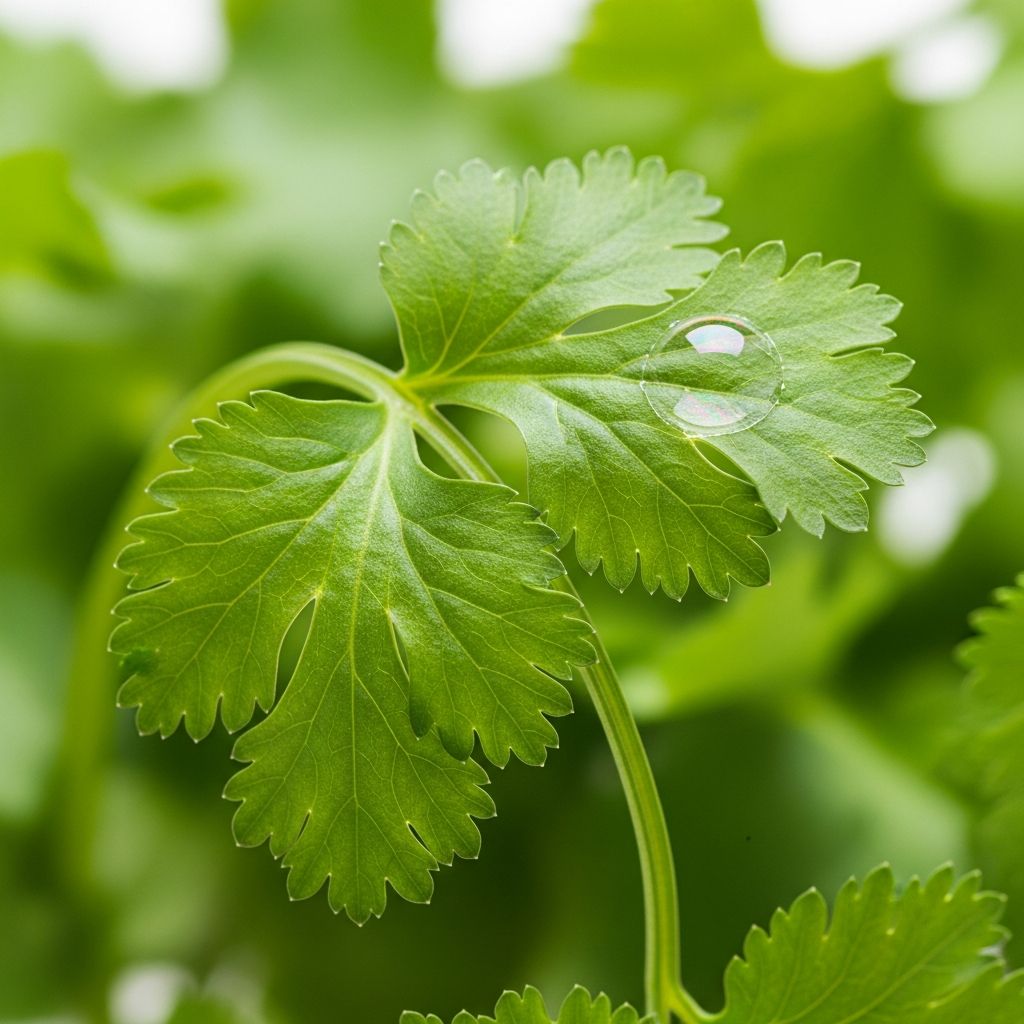
Cilantro, the fresh leaves of the coriander plant (Coriandrum sativum), is a beloved herb in cuisines worldwide, from Mexican salsas to Indian curries. Yet, for 3% to 21% of people, it evokes a soapy, metallic taste rather than freshness. This phenomenon stems primarily from genetic variations in olfactory receptors that heighten sensitivity to cilantro’s aldehyde compounds.
What Makes Cilantro Taste Like Soap?
The soapy perception arises from aldehydes, volatile organic compounds abundant in cilantro leaves. These chemicals, such as (E)-2-decenal and (E)-2-undecenal, contribute to cilantro’s characteristic aroma. In most individuals, they blend into a citrusy, herbaceous flavor. However, certain people detect them intensely as reminiscent of soap due to heightened olfactory sensitivity.
Aldehydes feature a specific chemical structure: a carbon atom double-bonded to an oxygen atom, with one bond to a hydrogen atom. This structure differs slightly from ketones, where no hydrogen bonds exist, leading to the distinct ‘soapy’ detection in sensitive noses.
The Genetics Behind Cilantro Aversion
The key culprit is the OR6A2 gene, which encodes an olfactory receptor protein. Variants of this gene make individuals hypersensitive to cilantro’s aldehydes, causing the brain to interpret the scent—and thus the taste—as unpleasant. Olfaction heavily influences flavor perception; what smells soapy often tastes soapy.
A 2012 study by Erikkel et al., published in Flavour, identified single nucleotide polymorphisms (SNPs) in OR6A2 associated with cilantro dislike. Those with two copies of the sensitive variant were up to 2.5 times more likely to report a soapy taste. This genetic trait is not unique to cilantro; similar variations affect perceptions of other foods.
How Common Is the Cilantro-Soap Phenomenon?
Prevalence varies widely. Surveys indicate 3-21% of people experience this aversion, with women slightly more affected than men. Ethnic differences are notable:
- People of European descent: Higher rates, up to 21%.
- East Asians: Around 14-20% in some studies.
- Black, Latino, South Asian: Lower rates, possibly due to cultural familiarity with cilantro-heavy cuisines like Thai, Mexican, and Indian.
In regions where cilantro is a staple, such as Central America and India, fewer individuals carry the sensitive genes, aiding its culinary dominance.
Can You Change Your Mind About Cilantro?
Unlike fixed traits like eye color, cilantro preference is malleable. Environmental exposure can rewire neural pathways, overriding genetic predispositions. Positive associations—such as enjoying cilantro in shared meals—gradually shift perception from aversive to neutral or pleasant.
Neuroplasticity plays a role: repeated, low-dose exposure helps the brain habituate. One strategy is crushing leaves before use, which releases enzymes that break down aldehydes, reducing soapy notes. Over time, many ‘cilantrophobes’ report flipping to appreciation.
Related Stories



Cilantro’s Health Benefits (For Those Who Enjoy It)
Beyond flavor divides, cilantro offers nutritional perks. It’s rich in vitamins A, C, and K, plus antioxidants like quercetin and kaempferol. Studies link it to:
- Detoxification: Binds heavy metals like mercury for excretion.[pubmed:234724]
- Anti-inflammatory effects: Reduces oxidative stress in animal models.
- Digestive aid: Stimulates enzyme production, easing bloating.
- Heart health: Lowers cholesterol in preliminary research.
One cup (16g) provides 11% DV vitamin K and 5% vitamin A, with minimal calories.[usda]
Cilantro Alternatives for Soap-Haters
| Alternative | Flavor Profile | Best Uses |
|---|---|---|
| Parsley | Fresh, mildly peppery | Garnishes, salads, tabbouleh |
| Dill | Tangy, anise-like | Seafood, pickles, tzatziki |
| Basil | Sweet, peppery | Pesto, Italian dishes, Caprese |
| Mint | Cool, refreshing | Middle Eastern salads, beverages |
| Culantro (Eryngium foetidum) | Intense cilantro-like, less soapy | Caribbean, Latin American salsas |
These substitutes mimic cilantro’s brightness without the genetic drawback.
Cultural Perspectives on Cilantro
Cilantro’s global role underscores taste’s subjectivity. In Mexico, it’s essential to guacamole and pico de gallo. Indian chutneys and Thai som tam rely on it for balance. Even in Europe, where aversion is common, it’s gaining traction in fusion cuisine. Cultural exposure likely selects against the OR6A2 variant in high-use regions.
Frequently Asked Questions (FAQs)
Is cilantro aversion genetic?
Yes, primarily linked to OR6A2 gene variants that amplify aldehyde detection, causing a soapy perception.
Why do more Europeans dislike cilantro?
Higher prevalence of sensitive OR6A2 alleles; less cultural exposure compared to Asia or Latin America.
Can children outgrow cilantro hatred?
Often yes—early positive exposures leverage neuroplasticity to shift preferences.
Is there a test for cilantro gene?
Consumer DNA tests like 23andMe include OR6A2 SNPs, confirming sensitivity.
Does cooking cilantro reduce soapiness?
Yes, heat and crushing degrade aldehydes; try sautéing or blending.
Expert Insights
“The OR6A2 gene detects cilantro’s aldehyde as soapy. But positive experiences can rewire this over time.” — Neha Vyas, MD, Cleveland Clinic
Julia Child famously detested cilantro, calling it ‘soap in the mouth,’ highlighting even experts aren’t immune.
References
- Can a Gene Cause Cilantro To Taste Like Soap? — Cleveland Clinic. 2023-05-18. https://health.clevelandclinic.org/do-you-love-or-hate-cilantro-the-reason-may-surprise-you
- Why Does Cilantro Taste Like Soap to Some People? — Britannica. 2023-08-15. https://www.britannica.com/story/why-does-cilantro-taste-like-soap-to-some-people
- Aversion to Cilantro is Partly Genetic — Genetic Literacy Project (citing Eriksson et al., Flavour 2012). 2025-09-16. https://geneticliteracyproject.org/2025/09/16/cilantro-tastes-like-soap-to-you-its-in-your-genes/
- Cilantro Heavy Metal Detoxification — PubMed (Aga et al.). 2001-12-01. https://pubmed.ncbi.nlm.nih.gov/11787985/
- USDA FoodData Central: Cilantro — United States Department of Agriculture. 2024-01-10. https://fdc.nal.usda.gov/fdc-app.html#/food-details/169997/nutrients
Similar Articles








Read full bio of Sneha Tete