Coffee And Digestion: 6 Evidence-Based Tips For Gut Health
Discover how coffee stimulates digestion and promotes gut health through scientific mechanisms.
Why Does Coffee Help with Digestion?
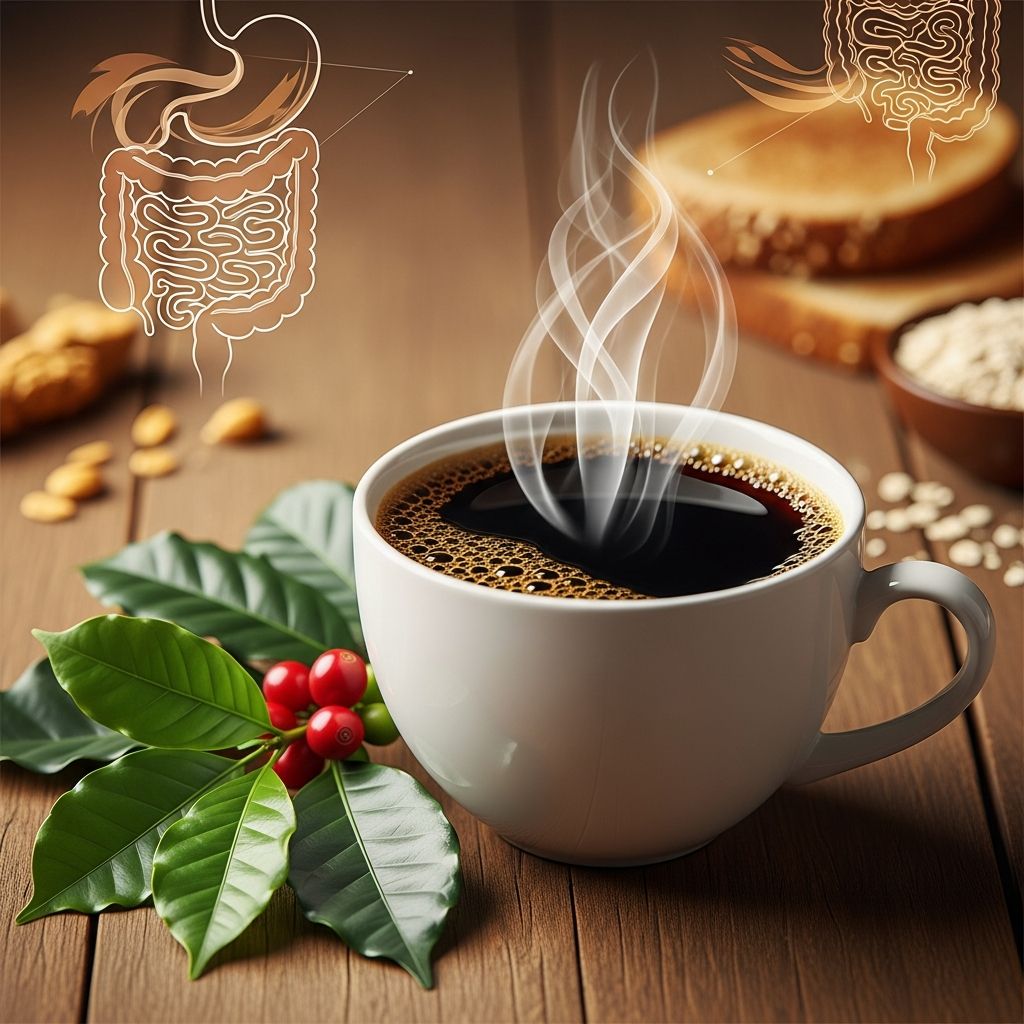
Coffee is one of the most widely consumed beverages around the world, enjoyed by millions for its rich flavor and energizing effects. However, beyond its ability to provide a morning boost, coffee offers significant benefits for digestive health. Understanding why coffee helps with digestion can help you make informed decisions about your daily coffee consumption and optimize your gastrointestinal wellness.
The digestive benefits of coffee extend far beyond simple caffeine stimulation. Research has revealed that coffee contains numerous bioactive compounds that work together to enhance various aspects of digestive function. From stimulating bile acid production to promoting beneficial gut bacteria growth, coffee’s effects on digestion are both complex and scientifically documented.
The Digestive Mechanisms of Coffee
Coffee influences digestion through multiple interconnected pathways. When you consume coffee, particularly caffeinated varieties, several physiological responses occur in your digestive system that collectively enhance digestive efficiency and overall gut health.
Stimulation of Bile Acid Production
One of the primary ways coffee aids digestion is by stimulating the production of bile acids. Bile is essential for breaking down fats and facilitating their absorption in the small intestine. When coffee stimulates bile acid production, it enhances the body’s capacity to process dietary fats more effectively. This mechanism is particularly important for individuals who consume higher-fat meals, as adequate bile production ensures proper nutrient absorption and prevents digestive discomfort.
The stimulation of bile acids by coffee is thought to be mediated by various compounds within the coffee bean, including chlorogenic acid and other polyphenols. These compounds interact with the digestive system to trigger bile secretion from the gallbladder, which then flows into the small intestine to aid in fat digestion.
Accelerated Colonic Transit
Another significant mechanism through which coffee promotes digestive health is by speeding digestion through the colon. This acceleration of colonic transit time means that food moves more efficiently through your digestive system. When digestion proceeds at an optimal pace, it reduces the time that potentially harmful substances remain in contact with your intestinal lining.
Faster colonic transit also provides important health benefits, particularly regarding cancer prevention. By reducing the duration that carcinogens are exposed to colon tissue, coffee may lower the risk of colorectal cancer. This protective effect represents one of coffee’s most significant contributions to long-term digestive and overall health.
Bowel Movement Improvement
Clinical research has demonstrated that coffee consumption significantly improves bowel function. A meta-analysis examining 610 patients who underwent colorectal surgery showed that coffee and caffeine intake substantially reduced the time to first bowel movement and the time to first solid food intake after elective laparoscopic colorectal surgery. This finding is particularly important for surgical patients, as improved bowel function accelerates recovery and reduces hospital stay duration.
Related Stories



The laxative effect of coffee is well-established and contributes to its reputation as a natural digestive aid. For individuals experiencing occasional constipation or sluggish digestion, a cup of coffee can provide gentle, natural relief without the need for pharmaceutical interventions.
Coffee’s Impact on Gut Microbiome Health
Recent research has revealed that coffee plays a crucial role in maintaining and promoting a healthy gut microbiome. The composition of bacteria in your digestive tract significantly influences overall health, immune function, and even mental well-being. Coffee consumption has been shown to positively influence these bacterial communities.
Beneficial Bacteria Growth
A groundbreaking study led by Mingyang Song, associate professor of clinical epidemiology and nutrition at Harvard T.H. Chan School of Public Health, found compelling evidence that coffee drinkers develop higher levels of beneficial bacterial species. The research categorized participants into different consumption groups: moderate drinkers (those consuming between three cups of coffee per month and three per day) and heavy drinkers (more than three cups per day). Both groups demonstrated significantly higher levels of several beneficial bacterial species compared to individuals who drank minimal coffee.
Researchers are actively working to gain a deeper understanding of these beneficial bacteria and their specific contributions to microbiome health. These bacterial species are believed to play important roles in immune function, nutrient absorption, and protection against harmful pathogens.
Polyphenols and Prebiotic Effects
Coffee contains numerous polyphenols—powerful plant compounds with antioxidant and anti-inflammatory properties. These polyphenols function as prebiotics, meaning they feed and promote the growth of beneficial bacteria in the gut. By providing nourishment to these beneficial microorganisms, coffee essentially cultivates a healthier gut environment. This prebiotic effect is one mechanism by which coffee supports long-term digestive and overall health.
Optimal Coffee Consumption for Digestive Health
While coffee offers significant digestive benefits, consuming the right amount is essential for maximizing these benefits while minimizing potential negative effects.
Recommended Daily Intake
Research from Harvard suggests that moderate coffee consumption provides optimal digestive and health benefits. The recommended intake is approximately three to four cups of filtered coffee per day. This amount appears to offer the most favorable balance between obtaining coffee’s health-promoting compounds and minimizing the risks associated with excessive caffeine consumption.
However, it’s important to note that there is compelling evidence suggesting that drinking more than three or four cups daily increases the risk of adverse consequences, including high blood pressure, heart palpitations, and sleep disruptions. Individual tolerance to caffeine varies based on factors such as body weight, genetics, medications, and overall health status.
The Role of Black Coffee
For individuals seeking maximum digestive benefits without additives, black coffee is the optimal choice. Black coffee can aid digestion and promote gut health without the potential negative effects that dairy products or excessive sugar might cause. When sugar and cream are added to coffee, they can diminish the health benefits by introducing unnecessary calories and potentially causing blood sugar spikes that may interfere with digestive processes.
Black coffee remains a low-sugar alternative that preserves all the beneficial compounds responsible for digestive support and overall health promotion. For those concerned about digestive health, consuming coffee without additives maximizes its therapeutic potential.
Filtered Coffee vs. Unfiltered Coffee
The brewing method used to prepare coffee significantly impacts its digestive benefits and overall health profile.
Why Filtered Coffee is Superior
Harvard researchers recommend filtered coffee as the healthiest preparation method for obtaining digestive and other health benefits. Filtered coffee retains all of coffee’s beneficial antioxidant compounds while removing certain oils known as cafestol and kahweol that are naturally present in unfiltered coffee. These oils, when consumed regularly, can raise LDL cholesterol levels and potentially impact overall cardiovascular health.
Brewing methods that employ paper filters—including drip machines, pour-over systems, and percolators—effectively trap these problematic compounds, producing a smoother and healthier beverage. Filtering coffee doesn’t reduce its flavor or caffeine content but makes it considerably gentler on the body, especially for those concerned about cholesterol management or cardiovascular health.
Unfiltered Coffee Methods to Minimize
Unfiltered brewing methods such as espresso, French press, and Turkish coffee allow cafestol and kahweol to pass through, potentially negating some of the digestive and health benefits while increasing cholesterol-raising compounds. While these methods can still be enjoyed occasionally, they should not constitute your primary coffee consumption if digestive and cardiovascular health are priorities.
Additional Digestive and Health Benefits
Beyond its direct digestive effects, coffee provides numerous complementary health benefits that support overall wellness and create an environment conducive to optimal digestive function.
Anti-Inflammatory and Antioxidant Properties
Coffee is packed with antioxidants and polyphenols that fight free radicals in the body and reduce oxidative stress and inflammation. This anti-inflammatory effect is particularly beneficial for digestive health, as chronic inflammation in the gastrointestinal tract can impair digestion and lead to various digestive disorders. By reducing systemic inflammation, coffee supports a healthier digestive environment.
Cancer Risk Reduction
Coffee’s ability to speed digestion through the colon and reduce carcinogen exposure contributes to reduced cancer risk. Additionally, various polyphenols in coffee have been shown to prevent cancer cell growth in animal studies, and coffee has been associated with decreased estrogen levels, a hormone linked to several types of cancer. Caffeine itself may interfere with the growth and spread of cancer cells.
Gallstone Prevention
Coffee may help prevent gallstone formation through multiple proposed mechanisms. The most common type of gallstone is composed of cholesterol, and coffee may prevent cholesterol from forming into crystals in the gallbladder. Additionally, coffee may stimulate contractions in the gallbladder and increase bile flow, preventing cholesterol accumulation.
Blood Sugar Control and Metabolism
Coffee consumption, particularly caffeinated coffee, may improve glucose tolerance and support blood sugar control. Research has shown that the risk of type 2 diabetes decreases by almost 6% for each additional cup of coffee consumed, with benefits observed for both caffeinated and decaffeinated varieties. For diabetic individuals, coffee consumption is associated with reduced risk of overall mortality, cardiovascular mortality, and total cardiovascular events.
Important Considerations and Precautions
While coffee offers substantial digestive and health benefits for most people, certain considerations warrant attention to ensure safe and effective consumption.
Individual Sensitivity
Not all individuals tolerate coffee equally. Some people experience digestive discomfort, increased stomach acid, or other adverse effects from coffee consumption. If you experience heartburn, acid reflux, or digestive upset after drinking coffee, you may need to reduce your intake or avoid coffee altogether. In such cases, consulting with a healthcare provider can help determine whether coffee is appropriate for your individual situation.
Pregnancy and Other Special Populations
While moderate coffee consumption is generally safe for most adults, concerns persist regarding pregnancy outcomes with high consumption levels. Pregnant individuals should consult their healthcare providers regarding appropriate caffeine intake. Additionally, individuals with anxiety disorders, sleep disturbances, or certain cardiovascular conditions may need to limit coffee consumption.
Medication Interactions
Coffee can interact with certain medications, either enhancing or diminishing their effects. If you take medications regularly, discuss your coffee consumption with your healthcare provider to ensure no problematic interactions occur.
Optimal Coffee Consumption Practices
To maximize the digestive benefits of coffee while minimizing potential risks, consider implementing these evidence-based practices:
- Choose filtered coffee: Opt for drip, pour-over, or percolated coffee prepared with paper filters to eliminate harmful oils while retaining beneficial compounds.
- Consume in moderation: Aim for three to four cups of filtered coffee daily for optimal digestive and health benefits.
- Drink black coffee: Avoid adding sugar, cream, or high-calorie additions that may diminish digestive benefits.
- Time your consumption: Enjoy coffee in the morning or early afternoon to avoid sleep disruptions that might negatively impact digestive function.
- Stay hydrated: Complement coffee consumption with adequate water intake to support overall digestive health and counteract any mild diuretic effects.
- Pair with nutrition: Consume coffee as part of a balanced diet rich in fiber, fruits, vegetables, and whole grains to optimize digestive function.
Frequently Asked Questions
Q: Does coffee help with constipation?
A: Yes, coffee can help relieve constipation by stimulating bowel movements and accelerating the pace at which food moves through your colon. The caffeine and various compounds in coffee promote colonic transit, making it an effective natural remedy for occasional constipation.
Q: Is decaffeinated coffee as beneficial for digestion as regular coffee?
A: While decaffeinated coffee retains many beneficial compounds, research suggests that caffeinated coffee may provide more pronounced digestive benefits, particularly regarding glucose balance and bowel movement stimulation. However, decaffeinated coffee still offers antioxidant and prebiotic benefits.
Q: Can coffee cause digestive problems?
A: For some individuals, coffee can stimulate excessive stomach acid production, leading to heartburn or acid reflux. If you experience digestive discomfort from coffee, try reducing your intake, switching to less acidic varieties, or adding a small amount of milk to buffer the acidity.
Q: How quickly does coffee affect digestion?
A: Coffee begins affecting digestion within minutes of consumption. The stimulation of gastric juices and bile acids starts almost immediately, though the acceleration of colonic transit becomes more noticeable within 30 minutes to an hour.
Q: Is it better to drink coffee before or after meals?
A: Drinking coffee after meals may provide optimal digestive benefits, as it can stimulate bile production and accelerate digestion of the food consumed. However, drinking coffee before meals on an empty stomach may cause stomach irritation in sensitive individuals.
Q: What’s the relationship between coffee and gut bacteria?
A: Coffee acts as a prebiotic, feeding beneficial bacteria in your gut and promoting their growth. Studies have shown that moderate and heavy coffee drinkers have significantly higher levels of beneficial bacterial species compared to minimal coffee drinkers.
References
- Coffee may improve gut health — Harvard T.H. Chan School of Public Health. 2024-04-15. https://hsph.harvard.edu/news/coffee-may-improve-gut-health/
- Harvard-Trained Doctor Shares 8 Science-Backed Benefits Of Black Coffee — NDTV Health. 2024. https://www.ndtv.com/health/harvard-trained-doctor-shares-8-science-backed-benefits-of-black-coffee-9628475
- The healthiest way to drink coffee: Harvard explains why filtered coffee is best — Times of India. 2024-12-14. https://timesofindia.indiatimes.com/life-style/food-news/the-healthiest-way-to-drink-coffee-harvard-explains-why-filtered-coffee-is-best/articleshow/124382990.cms
- Coffee’s Impact on Health and Well-Being — National Center for Biotechnology Information (NCBI). 2024. https://pmc.ncbi.nlm.nih.gov/articles/PMC12348139/
- Coffee – The Nutrition Source — Harvard T.H. Chan School of Public Health. 2024. https://nutritionsource.hsph.harvard.edu/food-features/coffee/
Similar Articles








Read full bio of medha deb