Why Cooking, No Matter the Recipe, Is Better for Your Health
Discover the science-backed health benefits of home cooking and simple strategies to make nutritious meals effortless and enjoyable every day.
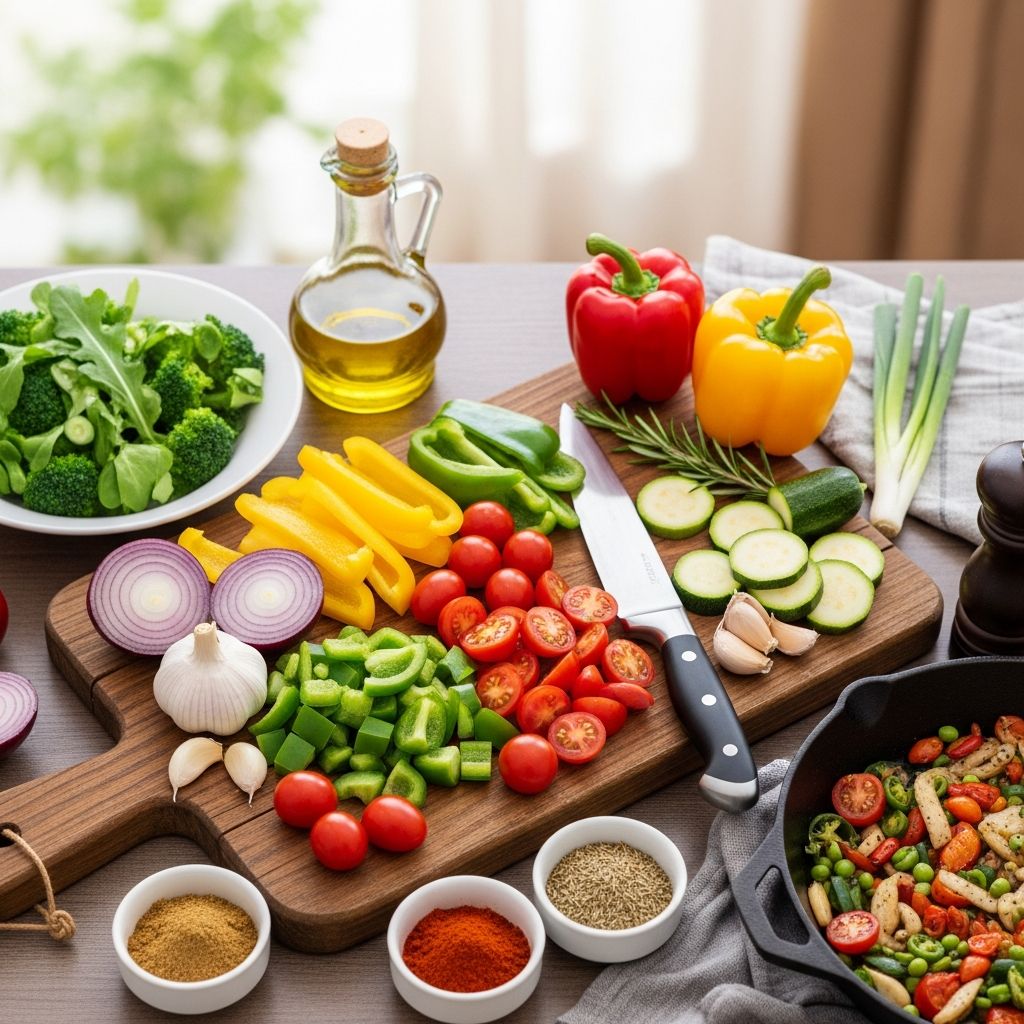
Home cooking offers profound health advantages over relying on takeout or processed foods, including lower risks of type 2 diabetes, heart disease, and obesity, while promoting better nutrient intake and cost savings.
The Health Benefits of Home Cooking
Preparing meals at home consistently leads to superior dietary outcomes. Individuals who cook regularly consume higher-quality foods with more vegetables, fruits, and whole ingredients, resulting in fewer calories overall and sustained weight management. Studies show home cooks experience less weight gain over time compared to frequent diners of prepared or restaurant foods.
Beyond weight control, home cooking correlates with reduced incidence of chronic conditions. For instance, it lowers the risk of type 2 diabetes mellitus and cardiometabolic diseases. Conversely, heavy consumption of ultra-processed and prepared foods elevates risks for heart disease, certain cancers including breast cancer, and overall mortality. A plant-forward approach in home kitchens amplifies these benefits, mirroring patterns like the Mediterranean diet proven to cut heart disease, diabetes, and depression risks in large trials.
Financially, home cooking saves money—shoppers spend less on groceries when preparing from whole foods rather than convenience items. Environmentally, it supports sustainability by reducing packaging waste and meat reliance through initiatives like Meatless Monday, which aims for a 15% meat reduction for health and planetary benefits.
Knowing What to Cook: Building a Nutrient-Dense Foundation
Success in healthy cooking starts with selecting optimal ingredients. Prioritize a mostly plant-based dietary pattern rich in vegetables, fruits, legumes, whole grains, nuts, and seeds—these deliver the greatest protection against chronic diseases. Such patterns enhance mental and physical function in older adults and slash risks for colon, breast, and prostate cancers.
Begin with incremental changes: add one plant-based meal weekly, introduce a new vegetable daily as a side or snack, or swap refined grains for whole ones like farro instead of white pasta. These steps build habits without overwhelm.
Whole Grains: A Staple for Longevity
Whole grains stand out for their protective effects. Regular intake links to lower risks of heart disease, stroke, cancer, diabetes, and obesity, with improved cholesterol profiles. High in fiber, phytochemicals, and antioxidants, just three daily servings significantly reduce chronic disease risk and all-cause mortality.
- **Examples**: Oats, barley, quinoa, brown rice, farro.
- **Prep Tip**: Cook in bulk and store for easy integration into salads, soups, or breakfast bowls.
Vegetables: Maximize Nutrition with Smart Cooking
Vegetables form the cornerstone of health-promoting meals. Different cooking methods preserve nutrients and enhance flavor:
- Roasting: Toss veggies with olive or cold-pressed canola oil, salt, and pepper on a rimmed sheet at 425°F for caramelized results without overpowering taste.
- Steaming: Use a steamer basket over boiling water or microwave for gentle cooking that retains vitamins—avoid boiling to prevent nutrient loss. Season with herbs.
- Blanching: Brief boil in salted water followed by ice bath preserves color and texture for salads or later use.
These techniques make veggies versatile for batch prep, ensuring they’re ready for quick assembly into meals.
Related Stories



Making Cooking Easier: The Power of Batch Cooking
Batch cooking revolutionizes home meal prep by producing large quantities ahead, saving time and effort. Prepare multiple meals in the time for one, creating components for diverse dishes like salads, stir-fries, or soups.
Key strategies include:
- Chopping vegetables and cooking grains in bulk on weekends.
- Portioning into containers for fridge (3-5 days) or freezer (quality lasts months; safe indefinitely).
- Multipurpose ingredients: Roasted veggies for bowls, blanched greens for wraps.
| Batch Item | Storage Method | Usage Ideas | Shelf Life |
|---|---|---|---|
| Roasted Vegetables | Fridge/Freezer | Salads, soups, sides | 5 days fridge; 3 months freezer |
| Cooked Whole Grains | Fridge/Freezer | Bowls, pilafs, breakfast | 5 days fridge; 6 months freezer |
| Steamed Legumes | Fridge/Freezer | Curries, dips, stews | 5 days fridge; 6 months freezer |
| Blanched Greens | Fridge | Stir-fries, smoothies | 4 days fridge |
This approach reduces weekly stress, expands healthy options, and makes nutritious eating accessible.
How Home Cooking Fits into Culinary Medicine
Culinary medicine integrates cooking skills into healthcare to empower patients. Teaching batch cooking and storage turns whole-food prep into a simple, sustainable habit. Clinicians use these tools to prescribe dietary changes effectively, much like medication.
Patients benefit from hands-on education: learning to roast, steam, or batch aligns with lifestyle medicine principles, fostering long-term adherence to heart-healthy patterns.
Overcoming Barriers to Home Cooking
Common hurdles like time scarcity dissolve with batching. Start small—one extra plant meal weekly builds confidence. Affordable staples like legumes and grains keep costs low versus takeout. Enjoyment grows with flavor experiments using herbs, spices, and roasting’s natural sweetness.
Environmental and Economic Wins
Home cooking minimizes food waste through precise portioning and extends beyond health to planetary impact. Plant-heavy meals reduce carbon footprints, complementing health gains.
Frequently Asked Questions (FAQs)
What are the top health benefits of cooking at home?
Home cooking reduces risks of diabetes, heart disease, and cancer while aiding weight control and saving money compared to processed foods.
How do I start batch cooking?
Prep large batches of grains, veggies, and proteins on off-days; store in portions for mix-and-match meals throughout the week.
Are whole grains worth the switch?
Yes—3 servings daily lower chronic disease mortality via fiber and antioxidants.
What’s the best way to cook vegetables without losing nutrients?
Roast, steam, or blanch; avoid boiling to preserve vitamins and maximize flavor.
Can home cooking help with weight loss?
Absolutely—home cooks consume fewer calories and experience less weight gain over time.
Simple Recipes to Get Started
Batch Roasted Veggie Medley: Broccoli, carrots, zucchini—toss in olive oil, roast at 425°F for 25 mins. Use in 5 meals.
Whole Grain Pilaf: Sauté onions, add quinoa and broth; simmer 15 mins. Freezes perfectly.
These no-recipe basics embody the article’s ethos: simple cooking yields big health rewards.
References
- Home Meal Preparation: A Powerful Medical Intervention — American Journal of Lifestyle Medicine (PMC – NIH). 2020-05-01. https://pmc.ncbi.nlm.nih.gov/articles/PMC7232892/
- Dietary Guidelines for Americans, 2020-2025 — U.S. Department of Agriculture (USDA). 2020-12-01. https://www.dietaryguidelines.gov/sites/default/files/2020-12/Dietary_Guidelines_for_Americans_2020-2025.pdf
- Whole Grains, Legumes, and Health: A Review — Harvard T.H. Chan School of Public Health. 2023-08-15. https://www.hsph.harvard.edu/nutritionsource/what-should-you-eat/whole-grains/
- Ultraprocessed Food Consumption and Risk of Overweight and Obesity — The American Journal of Clinical Nutrition (PubMed). 2021-11-01. https://pubmed.ncbi.nlm.nih.gov/34676424/
- Mediterranean Diet and Cardiovascular Disease Prevention — New England Journal of Medicine. 2018-06-21. https://www.nejm.org/doi/full/10.1056/NEJMoa1800389
Similar Articles








Read full bio of medha deb