Pasta: Why This Dietitian Never Gives Up, 5 Tips
A registered dietitian explains why pasta remains a staple in her diet, backed by science on its health benefits and role in weight management.
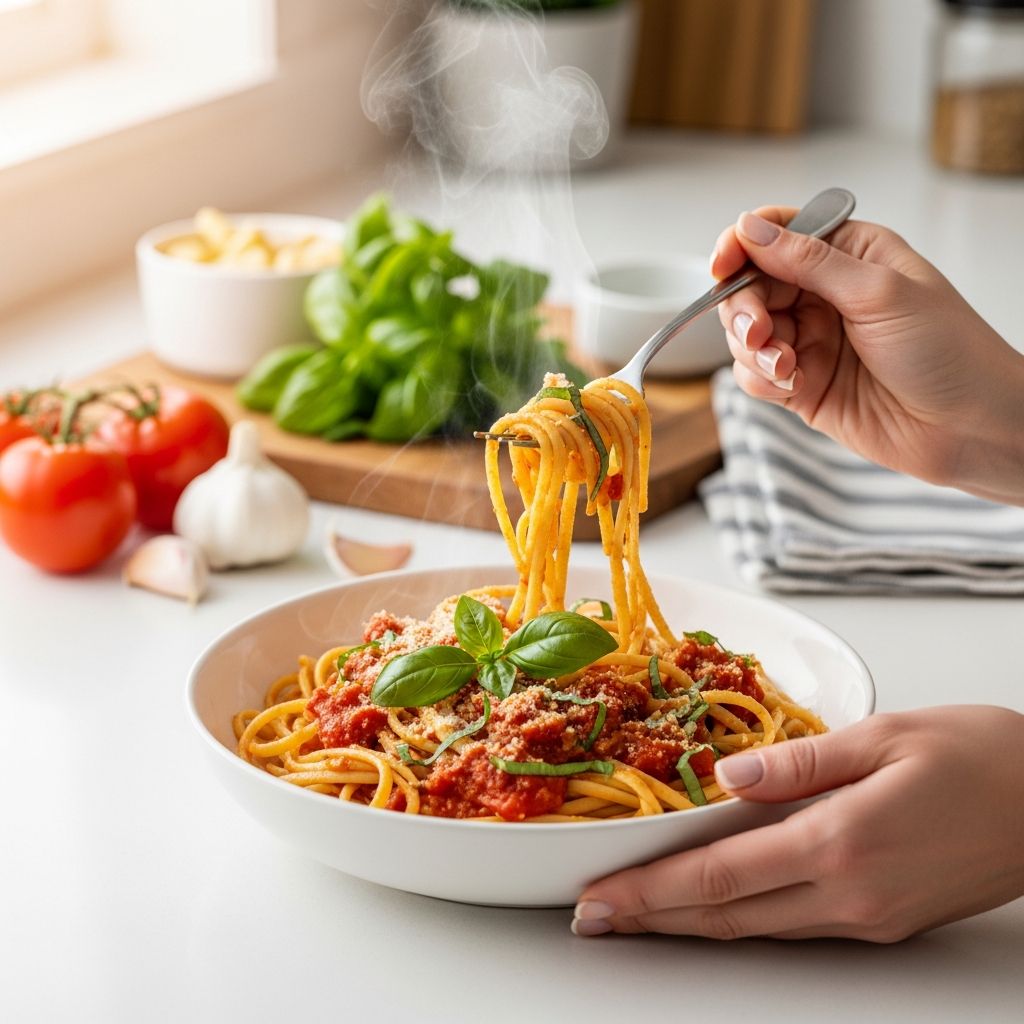
Pasta has long been a beloved staple in kitchens worldwide, yet it often faces criticism in diet culture as a ‘refined carb’ to avoid. As a registered dietitian with years of experience counseling clients on sustainable eating, I never give up pasta. Far from being a diet villain, pasta offers unique nutritional benefits, promotes satiety, and fits seamlessly into healthy dietary patterns. This article dives into the science-backed reasons pasta deserves a permanent spot on your plate, addressing common myths and providing practical tips.
The Pasta Paradox: Why It’s Not the Enemy
Many associate pasta with weight gain due to its carbohydrate content, but research tells a different story. Observational studies consistently show no positive association—or even an inverse one—between pasta intake and body weight or adiposity in healthy adults and children. A comprehensive technical review published in Nutrients analyzed 38 studies from PubMed and CENTRAL, concluding that pasta is ‘either inversely or not associated with overweight or obesity.’ This is likely due to pasta’s unique structure: the extrusion process during manufacturing creates a dense matrix that slows digestion, resulting in a lower glycemic response compared to other refined grains.
In practical terms, this means pasta doesn’t spike blood sugar like white bread or potatoes. When enjoyed in moderation as part of a calorie-controlled diet, it supports stable energy levels and reduces hunger. One clinical trial in the review compared high-pasta versus low-pasta hypocaloric diets and found no difference in weight loss outcomes, reinforcing that pasta doesn’t hinder fat loss efforts.
Pasta’s Low Glycemic Impact: A Game-Changer for Blood Sugar
One of pasta’s standout features is its low glycemic index (GI), typically ranging from 40-50 for al dente cooked varieties, lower than many breakfast cereals or rice. The protein network in pasta traps starch granules, delaying gastric emptying and enzymatic breakdown. This blunted glycemic response helps prevent insulin surges, which can otherwise promote fat storage and cravings.
Evidence from the Nutrients review supports this: pasta’s low GI may positively influence body weight by improving satiety and reducing overall energy intake. While data on appetite hormones like GLP-1 or gastric emptying is limited and inconclusive, the real-world outcome is clear—people who eat pasta in balanced meals report feeling fuller longer. For those managing diabetes or prediabetes, choosing whole-grain or legume-based pastas amplifies these benefits, as per guidelines from the American Diabetes Association.
Satiety and Portion Control: Pasta Keeps You Satisfied
Pasta excels at satiety thanks to its high water content, fiber (especially in whole-wheat versions), and protein when paired with sauces. A typical 2-ounce dry serving cooks up to 2 cups, providing volume without excessive calories (about 200-250 kcal). Studies show that low-GI carbs like pasta outperform high-GI options in suppressing appetite for hours post-meal.
- Volume eating: Pasta’s heft allows larger portions visually, tricking the brain into satisfaction.
- Fiber boost: Whole-grain pasta delivers 5-6g fiber per serving, aiding digestion and fullness.
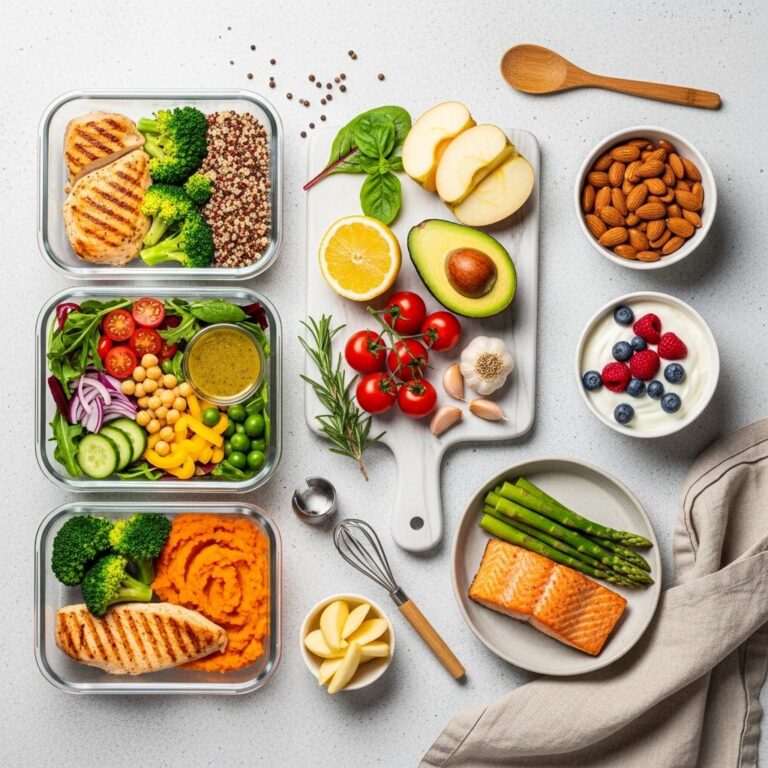
- Pairing power: Top with veggies, lean proteins, and healthy fats for a complete, hunger-busting meal.
In my practice, clients who include pasta 2-3 times weekly maintain weight loss better than those eliminating carbs entirely. The key? Mindful portions: use the ‘hand measure’—a fist-sized portion of cooked pasta aligns with USDA MyPlate recommendations.
Nutritional Power When Done Right
Plain pasta provides quick energy from complex carbs, B vitamins, and iron (enriched varieties). But its true power shines in combination:
Related Stories



| Pasta Type | Key Nutrients (per 2oz dry) | Best For |
|---|---|---|
| Classic Semolina | 41g carbs, 7g protein, iron | Everyday energy |
| Whole-Wheat | 37g carbs, 9g protein, 6g fiber | Gut health, satiety |
| Chickpea/Lentil | 32g carbs, 22g protein, 12g fiber | Plant-based protein boost |
| Vegetable-Infused | Similar to classic + vitamins A/C | Micronutrient enhancement |
By choosing wisely and loading plates with half veggies, pasta meals become nutrient-dense. This aligns with Mediterranean diet patterns, where pasta consumption correlates with lower BMI and heart health.
Debunking Myths: Pasta and Weight Gain
Myth 1: ‘Pasta is empty calories.’ Reality: It’s a vehicle for nutrients; the company it keeps determines its value.Myth 2: ‘Low-carb diets ban pasta for a reason.’ Reality: Sustainable weight loss comes from quality carbs, not elimination. Keto may work short-term, but long-term adherence favors carb-inclusive plans like pasta-rich Italian diets.Myth 3: ‘Gluten-free pasta is always healthier.’ Reality: Only if you have celiac; otherwise, whole-grain wheat pasta offers superior fiber and nutrients.
Practical Tips for Pasta Lovers
- Cook al dente: Stops at 1-minute less than package for lower GI.
- Portion smart: 1/2 cup dry = ideal serving; measure before cooking.
- Sauce savvy: Opt for tomato-based, pesto, or light olive oil over creamy; add greens and protein.
- Experiment: Try zucchini noodles blended with pasta for extra volume.
- Batch prep: Cook once, meal-prep salads or bakes for the week.
Sample Recipes: Healthy Pasta Meals Under 500 Calories
Garlic Shrimp & Veggie Pasta (Serves 4, ~400 kcal/serving)
- 8oz whole-wheat spaghetti
- 1lb shrimp, 4 cups broccoli, 2 cups cherry tomatoes
- Sauté in 1 tbsp olive oil, garlic, lemon; toss with pasta and herbs.
Chickpea Pasta Puttanesca (~450 kcal/serving)
- 8oz chickpea pasta, canned tomatoes, olives, capers, anchovies, spinach.
- Simmer sauce, combine for protein-packed umami.
These recipes emphasize balance: 1/4 plate pasta, 1/4 protein, 1/2 veggies.
Frequently Asked Questions (FAQs)
Does pasta cause weight gain?
No, evidence shows pasta intake is not associated with weight gain and may even inversely relate to BMI when part of a healthy diet.
Is whole-grain pasta better?
Yes for fiber and nutrients, but classic pasta fits well too—variety is key.
Can pasta fit in low-carb diets?
In moderation or with low-carb alternatives like shirataki, but balanced carbs are healthier long-term.
How much pasta per day?
1-2 servings (2-4oz dry) daily is sustainable for most active adults.
Is pasta good for athletes?
Absolutely—carbs replenish glycogen; pair with protein for recovery.
Final Thoughts from a Pasta Advocate
In a world of restrictive diets, pasta reminds us food should nourish body and soul. Sustainable health comes from enjoyment, not deprivation. Incorporate pasta mindfully, and watch it support your goals. As the science affirms, this dietitian’s pasta passion is here to stay.
References
- Impact of Pasta Intake on Body Weight and Body Composition: A Technical Review — Lisa M. Sanders, Joanne Slavin. 2023-06-09. https://pubmed.ncbi.nlm.nih.gov/37375591/
- Dietary Guidelines for Americans, 2020-2025 — U.S. Department of Agriculture and U.S. Department of Health and Human Services. 2020-12-01. https://www.dietaryguidelines.gov/sites/default/files/2020-12/Dietary_Guidelines_for_Americans_2020-2025.pdf
- Glycemic Index of Pasta — University of Sydney Glycemic Index Research Service. 2023. http://www.glycemicindex.com/
- Mediterranean Diet and Cardiovascular Health — Oldways Preservation Trust. 2024-01-15. https://oldwayspt.org/traditional-diets/mediterranean-diet/
Similar Articles








Read full bio of Sneha Tete