Armpit Odor: Guide To Causes, Treatments, And Prevention
Uncover the science behind armpit odor, from sweat and bacteria to health signals and prevention tips for fresher underarms.
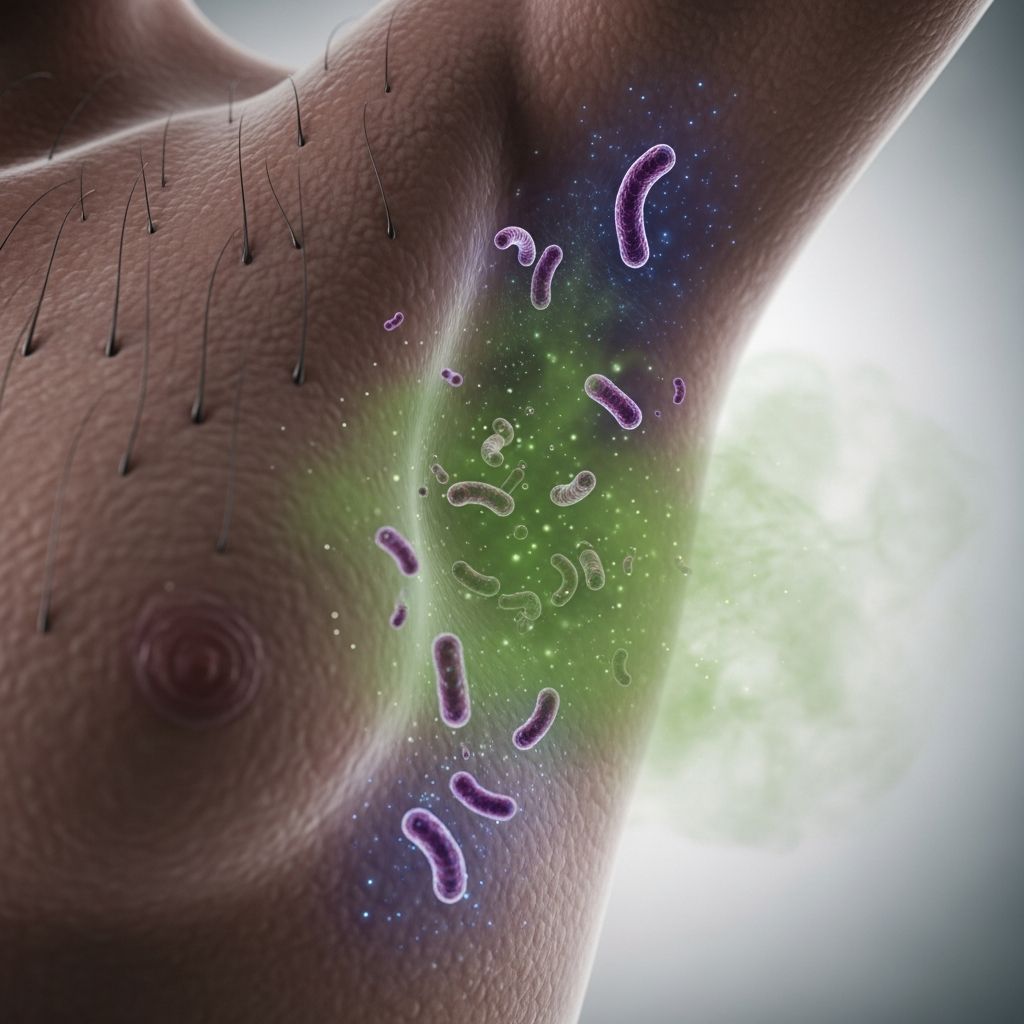
Armpit odor, or axillary body odor, is a common concern affecting daily confidence and hygiene routines. While sweat itself is odorless, the distinctive smell arises when it interacts with skin bacteria, particularly in areas rich with apocrine sweat glands like the underarms. Understanding this process helps in effectively managing and reducing unwanted smells.
What Causes Armpit Odor?
The primary culprit behind smelly armpits is the interaction between sweat and bacteria. Humans have two main types of sweat glands: eccrine glands, which produce watery sweat for cooling and are distributed across the body, and
apocrine glands
, concentrated in the armpits, groin, and around the nipples. Apocrine sweat is thicker and richer in proteins and lipids, providing an ideal food source for bacteria like Corynebacterium and Staphylococcus species that reside on the skin.When these bacteria break down apocrine sweat, they produce volatile compounds such as thioalcohols and fatty acids, resulting in the pungent odor. Eccrine sweat, being mostly water and salts, contributes less to smell unless in excessive amounts.
Several factors amplify armpit odor:
- Diet: Foods like garlic, onions, spicy dishes, red meat, alcohol, and caffeine release sulfur compounds and other metabolites through sweat pores, altering scent.
- Stress: Emotional stress activates apocrine glands via adrenaline, increasing sweat production.
- Hormones: Puberty, menstrual cycles, menopause, or pregnancy can intensify odor due to hormonal fluctuations.
- Genetics: Variations in the ABCC11 gene determine ‘wet’ vs. ‘dry’ earwax and influence apocrine gland activity, with East Asians often having less odor-prone glands.
Does Armpit Hair Cause Body Odor?
Armpit hair does not directly produce odor, as hair itself is scentless. However, it traps sweat and bacteria, creating a moist environment where microbes thrive and amplify smell. Hair also reduces airflow, preventing evaporation and concentrating odors.
That said, hair serves a purpose: it wicks moisture away from skin and promotes ventilation, potentially reducing bacterial growth for some. Studies show shaved areas can sometimes lead to irritation, fostering more bacteria if not managed properly.
Does Shaving Armpits Reduce Odor?
Shaving underarms can reduce odor for many by minimizing surfaces for sweat and bacteria to adhere to, allowing better deodorant contact with skin. Smooth skin dries faster, curbing bacterial proliferation.
However, results vary. Shaving may cause micro-cuts, inviting irritation or infection if hygiene lapses. Those with sensitive skin or coarse hair might experience ingrowns. Trimming is a compromise: shortens hair without full removal, balancing benefits.
| Shaving Pros | Shaving Cons |
|---|---|
| Less bacteria trapping | Potential irritation |
| Better product absorption | Ingrown hairs risk |
| Faster drying | Frequent maintenance |
How to Get Rid of Armpit Smell
Managing armpit odor involves daily hygiene, product selection, and lifestyle tweaks. Start with fundamentals:
- Shower daily using antibacterial soap to eliminate bacteria; focus on underarms post-exercise.
- Pat dry thoroughly—moisture breeds bacteria.
- Apply antiperspirant at night on clean, dry skin for optimal absorption.
Related Stories



Product Choices:
- Deodorants mask odor with fragrances and antibacterials.
- Antiperspirants (aluminum-based) block sweat ducts; clinical strength for heavy sweaters.
- Sensitive skin options with soothing agents like aloe or vitamin E.
Lifestyle tips include wearing breathable fabrics (cotton, moisture-wicking synthetics), changing clothes after sweating, and staying hydrated to dilute sweat compounds.
Medical Reasons for Smelly Armpits
Persistent or sudden strong armpit odor may signal health issues beyond normal variations. Consult a doctor if odor changes abruptly or accompanies symptoms like fatigue, weight changes, or skin issues.
Common medical causes:
- Hyperhidrosis: Excessive sweating from overactive eccrine glands; primary (genetic) or secondary (medication/disease-induced). Treatments: prescription antiperspirants, Botox, iontophoresis.
- Diabetes: Uncontrolled blood sugar leads to fruity or sweet-smelling sweat due to acetone buildup.
- Liver/Kidney Disease: Ammonia-like or bleach scent from toxin accumulation.
- Thyroid Disorders: Hyperthyroidism causes sour, excessive sweat.
- Infections/Trimethylaminuria: Fishy odor from metabolic inability to break down choline; bacterial overgrowth possible.
Hormonal shifts (menopause, andropause) increase apocrine activity. Weight gain enlarges skin folds, trapping sweat.
When to See a Doctor for Body Odor
Seek medical advice if:
- Odor resists hygiene/deodorant.
- Sudden onset or one-sided (e.g., left armpit worse—check habits or lymph issues).
- Accompanied by fever, rash, fatigue, or metabolic changes.
- Hyperhidrosis impacts life quality.
Physicians may test for underlying conditions via bloodwork, cultures, or scans. Embarrassment is common but unnecessary—doctors handle this routinely.
Frequently Asked Questions (FAQs)
Why does one armpit smell worse than the other?
Dominance (more use/sweat), uneven deodorant application, bag-carrying habits, or slight gland asymmetry. Ensure balanced hygiene.
Does diet affect armpit smell?
Yes—spicy foods, garlic, onions, red meat, alcohol intensify odor via sweat-excreted compounds.
Can stress make armpits smell?
Yes, stress sweat from apocrine glands is protein-rich, fueling stronger bacterial odors.
Is armpit odor a sign of poor hygiene only?
No, while hygiene matters, genetics, hormones, diet, and health conditions play roles.
How to treat hyperhidrosis?
Topical treatments, oral meds, Botox, or surgery for severe cases; see a dermatologist.
References
- Reasons for Armpit Smell: Body Odor Explained — Dove. 2023. https://www.dove.com/us/en/stories/tips-and-how-to/grooming-tips/reasons-for-arm-pit-smell-body-odor.html
- How Body Odor Can Indicate Health Changes — Baptist Health. 2024-05-15. https://www.baptisthealth.com/blog/health-and-wellness/how-body-odor-can-indicate-health-changes
- Apocrine Glands and Axillary Odor Etiology — PubMed (PMID: 29952203). 2018-07. https://pubmed.ncbi.nlm.nih.gov/29952203/
- Hyperhidrosis: Management Options — American Academy of Dermatology. 2025-01. https://www.aad.org/public/diseases/a-z/hyperhidrosis-treatment
- Body Odor and Metabolic Disorders — NIH (PMC: PMC3709293). 2013. https://www.ncbi.nlm.nih.gov/pmc/articles/PMC3709293/
Similar Articles








Read full bio of Sneha Tete