Why Do Beets Make Your Poop and Pee Red?
Discover why eating beets can turn your urine and stool red or pink—a harmless condition called beeturia explained in detail.
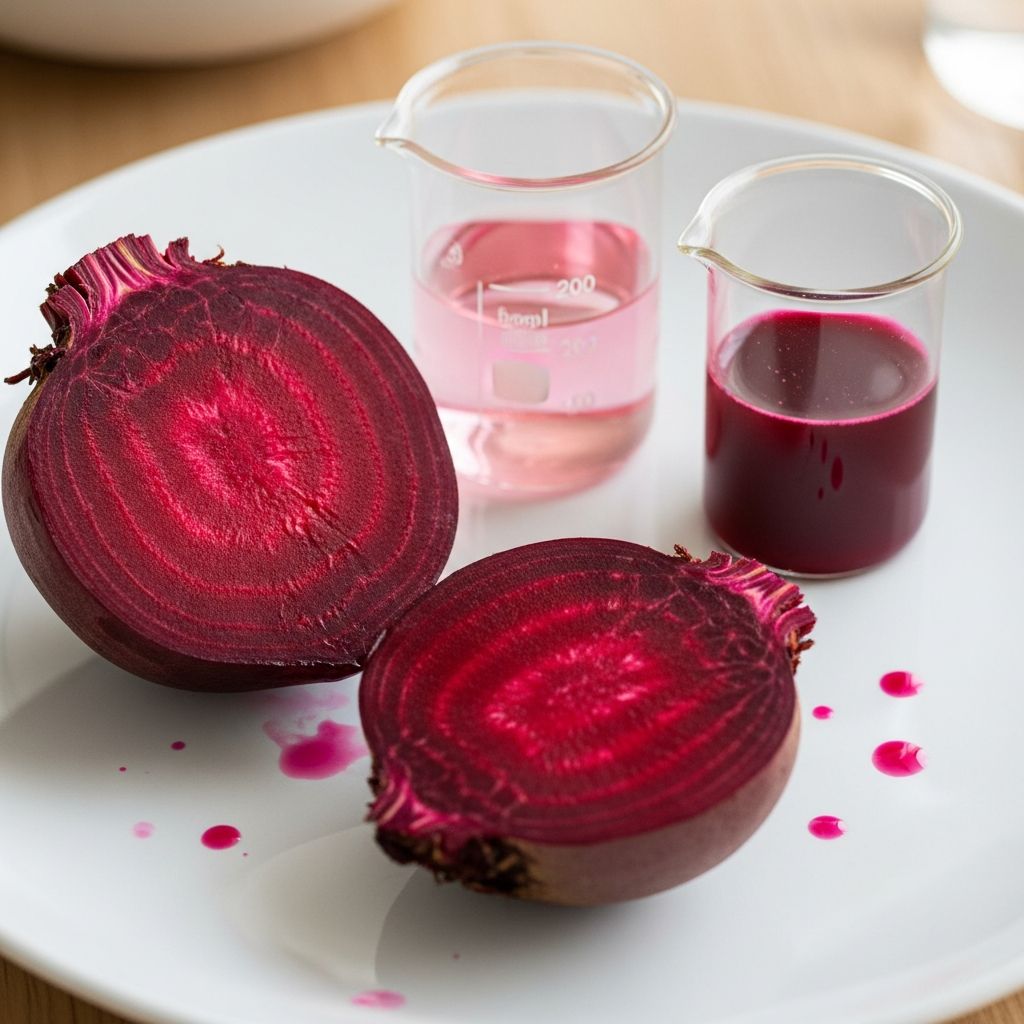
Beets are a vibrant root vegetable packed with nutrients, but they can cause a surprising side effect: turning your urine and stool red or pink. This phenomenon, known as beeturia, affects 10-14% of people and is usually harmless, stemming from the pigment betanin that isn’t fully broken down by the body.
While alarming at first glance, beeturia resolves on its own without treatment. However, it can mimic serious conditions like blood in the stool or urine, so understanding the science behind it is crucial. This article breaks down the causes, symptoms, risk factors, and when to seek medical advice, drawing from credible medical sources.
What Is Beeturia?
Beeturia is the technical term for the discoloration of urine (and sometimes stool) to pink, red, or deep red hues after consuming beets or beet-derived products. The pigment responsible is betanin, a type of betalain found in beetroot cells, which acts as a potent antioxidant giving beets their signature color.
This condition occurs because some people’s digestive systems fail to fully metabolize betanin. Instead, the unchanged pigment passes through the kidneys and intestines, exiting in urine and feces. Studies show beeturia prevalence at 10-14% of the population, with higher rates in those with certain health factors.
- Urine color changes: Ranges from light pink (after cooked beets) to dark red (after raw beet juice).
- Stool color changes: Red or pinkish stool, often less intense than urine discoloration.
- Duration: Typically lasts 24-48 hours, depending on intake amount and individual metabolism.
Not everyone experiences beeturia; factors like stomach pH, diet, and genetics influence pigment absorption.
Why Does It Happen? The Science Behind Red Poop and Pee from Beets
When you eat beets, betanin is released during digestion. In most people, gut bacteria and enzymes break it down into colorless compounds. However, in those prone to beeturia, betanin remains intact, traveling via the bloodstream to the kidneys for urinary excretion or directly through the gut for stool.
Key mechanisms include:
- Impaired absorption: Low stomach acid (hypochlorhydria) hinders betanin breakdown, leading to higher excretion rates.
- Gut pH variations: Higher pH in the stomach or intestines reduces pigment degradation.
- Dietary interactions: Foods like spinach or rhubarb may enhance betanin absorption, reducing beeturia incidence.
Beets offer health benefits like improved energy, brain function, and immunity from vitamins C, fiber, and potassium, making them worth the temporary color change for most.
How Common Is Beeturia?
Research indicates beeturia affects about 14% of healthy individuals, rising to 66-80% in those with iron deficiency anemia. Malabsorptive conditions like celiac disease or Crohn’s also increase risk.
Related Stories



| Population Group | Beeturia Prevalence | Source |
|---|---|---|
| General Population | 10-14% | |
| Iron Deficiency Anemia | 66-80% | |
| Malabsorption Disorders | Higher than average |
These figures come from controlled studies where participants consumed beets and monitored outputs, confirming genetic and physiological variances.
Risk Factors for Beeturia
Several factors heighten beeturia likelihood:
- Iron deficiency: Reduces red blood cell production, impairing pigment metabolism; common in untreated anemia.
- Low stomach acid: Symptoms include bloating, gas, constipation; medications like PPIs or H2 blockers exacerbate it.
- Malabsorption diseases: Conditions affecting nutrient uptake, e.g., celiac or post-gastric surgery.
- High beet intake: Raw juice causes more intense discoloration than cooked beets.
- Genetic predisposition: Some individuals inherently absorb less betanin.
Women, vegetarians, and those with poor diets are at higher risk due to overlapping iron issues.
Symptoms of Beeturia
The hallmark symptom is red or pink discoloration appearing 2-24 hours post-beet consumption.
- Urine: Pink to deep red; intensity ties to beet quantity and form (e.g., juice vs. roasted).
- Stool: Reddish tint, sometimes mistaken for blood.
- No other symptoms: Harmless beeturia lacks pain, unlike infections or bleeding.
Color fades as pigment clears; hydration speeds this.
Beeturia vs. Blood in Urine or Stool: Key Differences
Red hues can signal hematuria (urine blood) or hematochezia (stool blood), serious issues needing prompt care. Distinguishing requires context:
| Feature | Beeturia | Blood (Hematuria/Hematochezia) |
|---|---|---|
| Timing | After beets (hours-days) | Anytime, persistent |
| Color | Pink/red, uniform | Clots, dark red/brown |
| Pain | None | Burning, abdominal cramps |
| Other Signs | None | Fatigue, fever, weight loss |
Beeturia won’t recur without beets; blood does.
When to See a Doctor
Consult a physician if:
- Discoloration persists without recent beet intake.
- Accompanied by pain, clots, frequent urination, or fatigue.
- Occurs every time you eat beets, suggesting iron deficiency or malabsorption.
- You’re on blood thinners or have urinary/stool history issues.
Doctors may test via urinalysis, stool occult blood, or iron panels to rule out pathology.
Diagnosis and Treatment
Diagnosis: History of beet intake plus tests excluding blood (dipstick urinalysis differentiates betanin from hemoglobin).
Treatment: None needed for isolated beeturia. Address roots:
- Iron supplements for deficiency.
- Acid-boosting aids (e.g., Betaine HCl) for low stomach acid.
- Hydration to flush pigment faster.
Avoid self-diagnosis; professional evaluation ensures safety.
Health Benefits of Beets Despite Beeturia
Beets’ pros outweigh cosmetic cons:
- Nitrates: Boost blood flow, lower blood pressure.
- Antioxidants: Betanin fights inflammation, supports liver health.
- Fiber: Aids digestion; potassium regulates heartbeat.
Enjoy in salads, juices, or roasts—color fades quickly.
Frequently Asked Questions (FAQs)
Is beeturia dangerous?
No, it’s benign and self-resolves. See a doctor to rule out other causes.
How long does beeturia last?
Usually 24-48 hours; more water helps.
Does cooking beets prevent beeturia?
Cooked beets cause milder discoloration than raw, but not fully preventive.
Can beeturia indicate anemia?
Yes, frequent cases link to iron deficiency in 66-80% of instances.
Are there tests for beeturia?
Urinalysis confirms pigment vs. blood; no specific beeturia test needed.
Prevention Tips
While unavoidable for susceptibles, tips include:
- Moderate intake.
- Pair with absorption enhancers like spinach.
- Stay hydrated.
- Monitor for patterns signaling deficiencies.
References
- Why beetroot turns poop and pee red — Medical News Today. 2019-05-23. https://www.medicalnewstoday.com/articles/319447-2
- Beeturia: Why Beets Cause Pink Pee in Some People and Not Others — Healthline. 2023-03-09. https://www.healthline.com/health/beeturia
- What Is Beeturia? Symptoms, Related Conditions, and Outlook — Healthgrades. N/A. https://resources.healthgrades.com/right-care/kidneys-and-the-urinary-system/beeturia
- Beeturia – StatPearls — NCBI Bookshelf – NIH. N/A. https://www.ncbi.nlm.nih.gov/books/NBK537012/
Similar Articles








Read full bio of medha deb