Why Colds Get Worse At Night: 6 Simple Relief Tips
Discover why cold symptoms intensify at night and learn effective strategies to ease discomfort for better sleep.
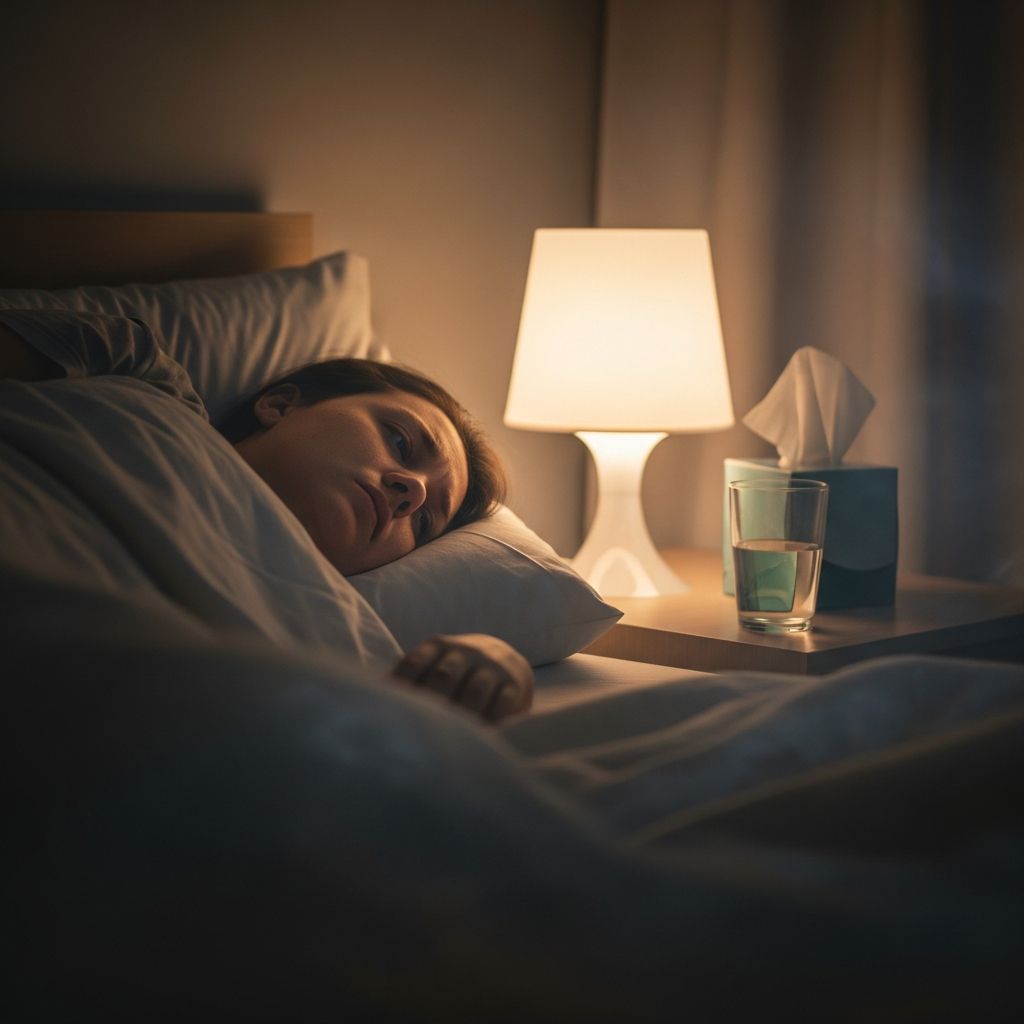
Many people notice that cold symptoms like congestion, cough, and sore throat seem to intensify as night falls, making sleep elusive despite feeling somewhat better during the day. This phenomenon stems from physiological factors including circadian rhythms, hormonal fluctuations, and body position changes, rather than the infection worsening.
Understanding Why Cold Symptoms Worsen at Night
Colds, caused by viruses, typically resolve in 7-14 days, but nighttime can amplify discomfort. Your immune system doesn’t suddenly strengthen the virus after dark; instead, symptoms feel more pronounced due to natural body processes.
Circadian Rhythm and Immune Activity
The body’s internal clock, known as the circadian rhythm, regulates sleep-wake cycles and influences immune function. As bedtime approaches, immune cells become more active, ramping up inflammation to combat germs. This heightened response makes symptoms like fever, congestion, and cough feel more severe at night.
- Immune cells identify pathogens more aggressively in the evening.
- Inflammation peaks, exacerbating sore throat and body aches.
- This aligns with the body’s preparation for rest and repair during sleep.
Hormonal Changes, Like Cortisol Levels
Cortisol, the stress hormone, peaks in the morning to suppress inflammation and mask symptoms during the day. Levels drop significantly at night, allowing cold symptoms such as fever and pain to flare up unchecked.
This natural decline reduces the body’s anti-inflammatory buffer, leading to increased sensitivity to mucus buildup and irritation.
The Impact of Lying Down
Rest is crucial for recovery, yet reclining flat promotes post-nasal drip as gravity no longer drains sinuses effectively. Mucus pools in the throat, triggering coughs and worsening congestion.
- Sinuses become blocked without upright posture.
- Post-nasal drip irritates the throat, prompting reflexive coughing.
- Mouth breathing from nasal blockage dries airways, intensifying soreness.
Other Contributing Factors
Additional elements compound nighttime woes: fever causes temperature swings and sweating, disrupting comfort; dry indoor air irritates passages; and accumulated daytime fatigue heightens symptom perception.
Vivid dreams or frequent awakenings from coughs further fragment sleep, creating a cycle of poor rest.
How to Get Relief from Nighttime Cold Symptoms
Managing symptoms involves over-the-counter aids, home remedies, and sleep hygiene to promote better rest and recovery.
Over-the-Counter Treatments
Nighttime formulations target multiple symptoms for sleep-friendly relief. Options include acetaminophen for pain and fever, decongestants for congestion, and cough suppressants.
| Product Type | Key Benefits | Suitable Symptoms |
|---|---|---|
| Nighttime Liquids/Caplets | Pain relief, cough suppression, decongestant | Cough, sore throat, runny nose, fever |
| Day/Night Combos | Multi-symptom coverage | Full cold/flu profile |
| Single-Ingredient | Fever reducer/pain reliever | Headache, fever |
Consult a pharmacist for personalized recommendations and avoid combining products with overlapping ingredients.
Home Remedies and Lifestyle Tips
Simple strategies can significantly ease discomfort:
Related Stories



- Elevate your head: Use extra pillows to prop up 30-45 degrees, aiding sinus drainage and reducing drip.
- Stay hydrated: Drink warm fluids like herbal tea or broth to thin mucus and soothe the throat.
- Humidify air: Use a cool-mist humidifier to combat dryness; clean regularly to prevent mold.
- Nasal irrigation: Saline sprays or neti pots clear passages before bed.
- Honey for cough: A teaspoon soothes irritation (avoid in children under 1).
- Steam inhalation: Hot showers or bowls of warm water open airways.
Natural Remedies and Supplements
Some evidence supports gentle aids:
- Melatonin: Short-term use regulates sleep cycles disrupted by illness.
- Essential oils: Eucalyptus or menthol in diffusers for congestion relief.
- Warm baths: Promote relaxation and mucus loosening.
Maintaining Bedtime Routines
Stick to pre-illness habits like skincare and dim lights to signal sleep time, countering disruptions from symptoms.
When to Seek Medical Attention
Most colds self-resolve, but monitor for red flags indicating complications like secondary infections or flu escalation:
- Trouble breathing or shortness of breath
- Chest pain or pressure
- Severe dizziness or confusion
- High or persistent fever
- Dehydration signs (dry mouth, dark urine)
- Worsening chronic conditions (e.g., asthma)
- Severe weakness or seizures
Antivirals may shorten illness if started early; seek prompt care for vulnerable groups like infants, elderly, or immunocompromised.
Frequently Asked Questions (FAQs)
Why do colds get worse at night?
Symptoms intensify due to circadian-driven immune activity, dropping cortisol, and lying down causing post-nasal drip and congestion.
Does lying down make cold symptoms worse?
Yes, gravity-assisted drainage ceases, pooling mucus and triggering cough.
Can I sleep too much when sick?
Your body needs extra rest; return to normal as symptoms improve. Persistent fatigue warrants a doctor visit.
Are nighttime cold medicines safe?
When used as directed, yes. Check labels for interactions and consult providers if pregnant or on medications.
How long do cold symptoms last at night?
Peak discomfort aligns with early illness stages (days 2-4); overall cold lasts 7-14 days.
Key Takeaways for Better Nights During a Cold
Prioritize elevation, hydration, and symptom management to break the cycle of poor sleep. Rest accelerates recovery, so these steps not only ease nights but speed healing.
References
- Why Do Cold & Flu Symptoms Feel Worse At Night? — Tylenol. 2023. https://www.tylenol.com/adult-relief/cold-flu/symptoms-feel-worse-at-night
- 8 Tips For Sleeping When You’re Sick (Cold, Flu, COVID) — GoodRx. 2024. https://www.goodrx.com/conditions/cold-symptoms/how-to-sleep-with-cold
Similar Articles








Read full bio of medha deb