Why Do Humans Have Nails: Purpose and Function
Discover the biological purpose and essential functions of human nails in daily life.
Why Do Humans Have Nails?
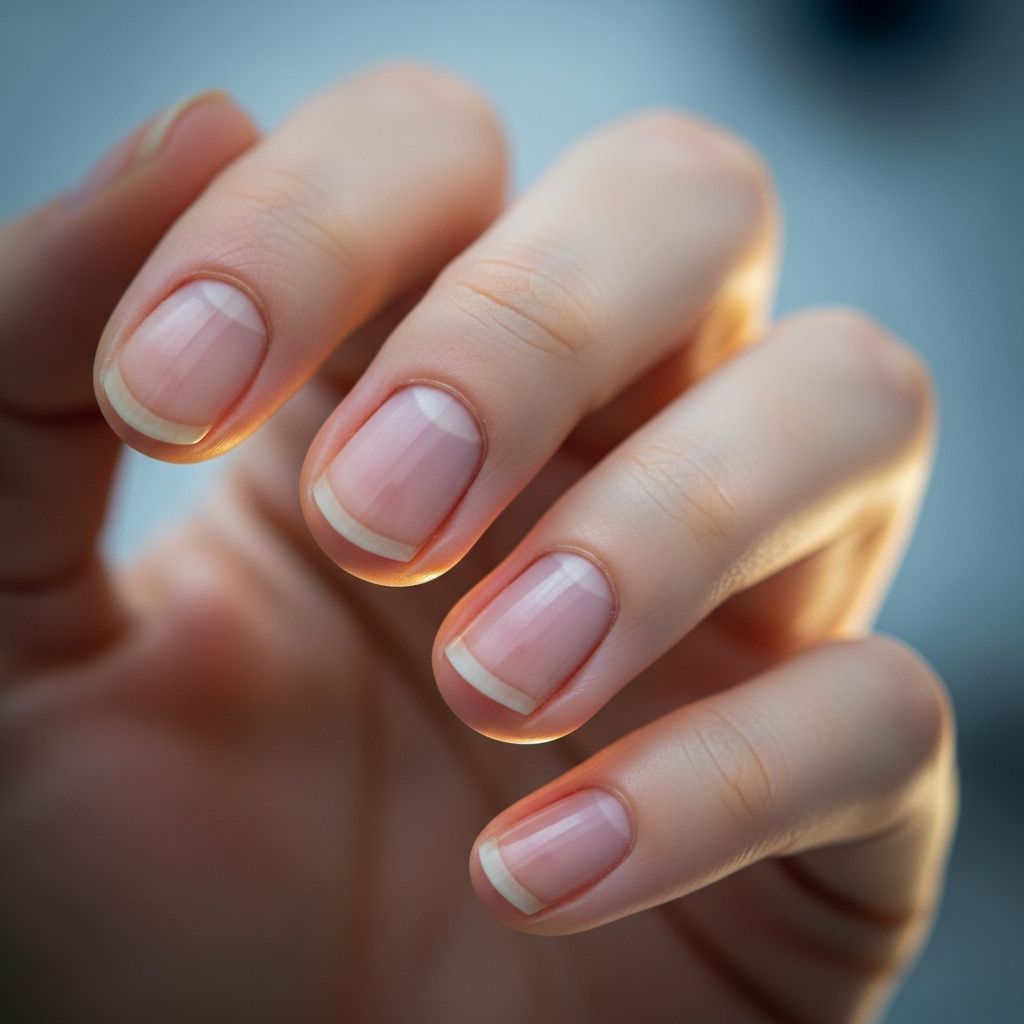
Nails are a fundamental part of the human body, yet many people rarely consider their biological purpose or evolutionary significance. Far from being merely cosmetic features, nails serve several critical functions that contribute to our daily survival, dexterity, and overall health. Understanding why humans have nails provides insight into human evolution, anatomy, and the intricate ways our bodies have adapted to support complex activities and protection.
The Evolutionary Purpose of Nails
Nails are remnants of claws that our primate ancestors possessed millions of years ago. As human ancestors evolved and began using tools, our hands became more sophisticated and our need for claws diminished. Over evolutionary time, claws transformed into the flattened, hardened structures we know as nails today. Rather than disappearing entirely, nails retained and adapted to serve new purposes that align with human anatomy and behavior. This evolutionary transition demonstrates how biological structures can be repurposed to meet changing environmental and functional demands.
Protection and Support
One of the primary functions of nails is to protect the sensitive fingertips and toes underneath them. The nail plate, composed of keratin protein arranged in overlapping layers, creates a hard shield that guards the nail bed and the delicate tissues beneath against injury and trauma. This protective barrier is particularly important given how frequently we use our hands and feet in daily activities. Without nails, the soft tissue of our fingertips would be far more vulnerable to cuts, bruises, and infections. The nail also provides structural support to the fingertip, preventing deformation and maintaining the precise shape necessary for fine motor control.
Enhanced Dexterity and Grip
Nails significantly enhance our ability to manipulate objects with precision and strength. When picking up small items, nails provide a counterforce that allows fingertips to grip effectively. They enable us to perform delicate tasks such as threading a needle, typing, or playing musical instruments, while also allowing us to maintain secure holds on larger objects. The rigid structure of nails extends the functional reach of our fingertips, effectively increasing the surface area available for tactile feedback and manipulation. This enhancement to dexterity is one reason why injuries to nails or nail loss can substantially impair hand function.
Sensory Function and Tactile Feedback
The nail matrix, which produces new nail cells, contains numerous nerve endings that contribute to tactile sensation. These nerves provide feedback about pressure, temperature, and texture, enhancing our ability to sense environmental conditions through our fingertips. This sensory capability is crucial for fine manipulation tasks and helps us navigate the world with greater precision. The nerve density in the nail bed and surrounding tissues makes our fingertips among the most sensitive areas of the human body, a sensitivity that nails help preserve and optimize.
Nail Structure and Anatomy
Components of the Nail
Understanding nail structure is essential to appreciating their function. The nail consists of several distinct parts that work together to provide strength, flexibility, and growth:
Related Stories



- Nail Plate: The visible, hard part of the nail composed primarily of keratin protein. This is the structure most people think of when they consider nails.
- Nail Matrix: The tissue beneath the base of the nail where new nail cells are produced. The matrix contains the cells responsible for continuous nail growth throughout life.
- Nail Bed: The tissue underneath the nail plate that contains blood vessels and nerves. This area provides nutrients to the growing nail and contributes to nail health and appearance.
- Cuticle: The protective seal where the nail emerges from the skin, preventing bacteria and other pathogens from entering the nail matrix.
- Nail Folds: The skin that surrounds the sides and base of the nail, protecting the nail matrix and providing structural support.
Keratin and Nail Composition
Nails are primarily composed of a protein called keratin, the same protein found in hair and the outer layer of skin. In nails, keratin molecules are arranged in tightly packed, overlapping layers that create an exceptionally hard and durable structure. This arrangement gives nails their characteristic hardness while maintaining some flexibility, allowing them to bend slightly without breaking. The specific organization of keratin in nails makes them far more rigid than skin or hair, explaining their unique protective properties and functional capabilities.
Nails as Health Indicators
What Nails Reveal About Health
Nails serve as windows into internal health, often displaying signs of systemic diseases or nutritional deficiencies before symptoms appear elsewhere. Changes in nail appearance, color, texture, or growth patterns can indicate various health conditions, making nails valuable diagnostic tools for healthcare providers. Regular observation of your nails can alert you to potential health issues requiring medical attention.
Common Nail Changes and What They Mean
Several nail abnormalities can signal underlying health concerns. Understanding these changes helps individuals recognize when medical consultation is appropriate:
- Nail Pitting: Small depressions appearing on the nail surface are commonly associated with psoriasis, eczema, and alopecia areata (an autoimmune disease causing hair loss). This change typically indicates a systemic condition affecting skin or immune function.
- Nail Clubbing: When fingertips enlarge and nails curve around them, clubbing may indicate lung disease, heart problems, liver cirrhosis, or gastrointestinal issues. This change develops gradually over months or years and warrants medical investigation.
- Nail Separation (Onycholysis): When nails separate from the nail bed, appearing cloudy with white, yellow, or green discoloration, this may result from thyroid disease, psoriasis, infections, or traumatic injury. The cause must be identified for appropriate treatment.
- Yellow Nail Syndrome: Nails that thicken and turn yellowish while growing more slowly may indicate lung disease such as chronic bronchitis or lymphedema (swelling of extremities). This condition requires medical evaluation.
- Longitudinal Ridging: Vertical lines running the length of nails can indicate lichen planus, rheumatoid arthritis, myxoid cysts, or peripheral arterial disease, depending on accompanying symptoms.
Common Nail Conditions and Infections
Fungal Nail Infections
Fungal nail infections, medically known as onychomycosis or tinea unguium, represent one of the most common nail disorders. These infections occur when fungi, dermatophytes, or yeasts penetrate the nail structure and begin multiplying within the keratin. Fungal infections are particularly common in toenails and in elderly populations. The condition causes nails to become thickened, discolored, flaky, and brittle. If left untreated, severe fungal infections may eventually destroy the nail bed and cause pain or difficulty walking. Treatment is typically recommended when symptoms are troublesome, when abnormal appearance causes distress, or when the individual has diabetes, vascular disease, or immune system complications.
Psoriatic Nail Disease
Psoriatic nail disease occurs in approximately half of individuals who have psoriasis, and is particularly common in those with psoriatic arthritis. Unlike fungal infections, psoriatic nail disease is not caused by infection and cannot be transmitted to others. The condition results from the same abnormal skin cell growth processes that cause psoriasis elsewhere on the body, where the immune system mistakenly attacks healthy skin cells and triggers excessive cell division and growth. Psoriatic nail disease manifests in various ways depending on which part of the nail is affected. When the nail matrix is affected, pitting develops on the nail surface. When the nail bed is affected, the nail plate may separate from the nail bed (onycholysis), creating a visible gap. Symptoms range from mild and requiring no treatment to severe and difficult to manage, though modern treatments have proven increasingly effective.
Paronychia
Paronychia is an infection of the skin immediately adjacent to the nail, in an area called the nail fold. The infected nail fold becomes swollen, red, and tender, often causing pain and discomfort. Common causes include excessive manicuring, cuticle damage, finger biting, trauma from splinters, skin conditions like eczema or contact dermatitis, and ingrowing toenails. Additionally, individuals who wear gloves for extended periods or use artificial nails may develop paronychia due to prolonged moisture and reduced air circulation around the nail. Bacterial infections, most commonly caused by Staphylococcus aureus, typically require antibiotic treatment or drainage procedures.
Onycholysis (Nail Separation)
Onycholysis refers to the loosening or separation of the nail from the skin beneath it. Beyond psoriasis and thyroid disease, this condition can result from trauma to the nail bed, such as repeated tapping of fingernails on keyboards or pressure from shoes in long-distance runners. Once the underlying cause is identified and eliminated, nails typically grow back normally over time. Management involves keeping nails short and dry while avoiding irritants and further trauma.
Nail Care and Maintenance
Protecting Nail Health
Maintaining healthy nails involves several straightforward practices. Keep nails clean and dry to prevent fungal and bacterial infections. Avoid prolonged exposure to moisture, particularly in work environments requiring frequent hand washing. When manicuring, use proper technique and avoid pushing cuticles back too forcefully, as this can damage the protective seal and increase infection risk. Trim nails regularly and straight across to prevent ingrown nails and maintain structural integrity. Moisturize cuticles and surrounding skin to prevent cracking and entry points for infection.
When to Seek Medical Attention
Certain nail changes warrant professional medical evaluation. Contact a healthcare provider if you notice persistent discoloration, thickening, separation from the nail bed, pitting, clubbing, or pain associated with your nails. Additionally, if nail changes accompany other symptoms or if you have an underlying condition like diabetes or compromised immune function, professional guidance is important. Early identification and treatment of nail conditions typically results in better outcomes and prevention of complications.
Frequently Asked Questions
Q: How quickly do nails grow?
A: Fingernails typically grow approximately 3 millimeters per month, while toenails grow more slowly at about 1-2 millimeters per month. Growth rates vary based on age, overall health, nutrition, and genetics. It takes approximately 3-6 months for a fingernail to completely replace itself with new growth from the matrix.
Q: Why do nails become brittle and break easily?
A: Brittle nails can result from excessive moisture exposure, nutritional deficiencies, aging, thyroid disease, anemia, or repeated exposure to harsh chemicals or detergents. Keeping nails moisturized, maintaining adequate nutrition, and minimizing chemical exposure can help prevent brittleness.
Q: Can nails indicate nutritional deficiencies?
A: Yes, certain nutritional deficiencies can affect nail appearance and health. Protein deficiency may cause horizontal lines across nails, iron deficiency can cause pale nails, and biotin deficiency may contribute to brittle nails. A balanced diet supporting overall health also supports nail health.
Q: Are artificial nails safe?
A: Artificial nails can be safe when applied and maintained properly, but prolonged use without breaks can create moist conditions around the nail fold that promote fungal infections. Allow nails to rest between applications and maintain proper hygiene to minimize infection risk.
Q: What causes white spots or lines on nails?
A: White spots typically result from minor trauma to the nail matrix and are generally harmless, disappearing as the nail grows out. However, persistent white lines covering large nail areas (Muehrcke’s lines) may indicate liver disease or low protein levels and warrant medical evaluation.
Q: How can I prevent fungal nail infections?
A: Prevent fungal infections by keeping nails clean and dry, avoiding prolonged moisture exposure, wearing breathable footwear, using public showers with protective footwear, maintaining good hygiene, and avoiding sharing nail tools or nail care implements with others.
References
- Nail Psoriasis: Symptoms and Treatment — Patient.info. Accessed January 2026. https://patient.info/skin-conditions/psoriasis-leaflet/psoriatic-nail-disease
- Paronychia: Causes, Symptoms, and Treatment — Patient.info. Accessed January 2026. https://patient.info/skin-conditions/paronychia-leaflet
- Nail Disorders and Abnormalities: Causes and Treatment — Patient.info. Accessed January 2026. https://patient.info/doctor/dermatology/nail-disorders-and-abnormalities
- Fungal Nail Infection: Causes, Symptoms, and Treatment — Patient.info. Accessed January 2026. https://patient.info/infections/fungal-nail-infection-tinea-unguium
- 7 Fingernail Problems Not to Ignore — Mayo Clinic. June 30, 2023. https://www.mayoclinic.org/healthy-lifestyle/adult-health/in-depth/7-fingernail-problems-not-to-ignore/art-20546860
- What Your Nails Say About Your Health — Patient.info. Accessed January 2026. https://patient.info/features/skin-conditions/what-your-nails-say-about-your-health
- Fungal Nail Infections: Causes and Treatment — Patient.info. Accessed January 2026. https://patient.info/doctor/dermatology/fungal-nail-infections-pro
Similar Articles








Read full bio of medha deb