Why Do I Bruise So Easily? Hepatitis C Risks Explained
Discover the hidden link between easy bruising and hepatitis C, plus other causes and when to seek medical help.
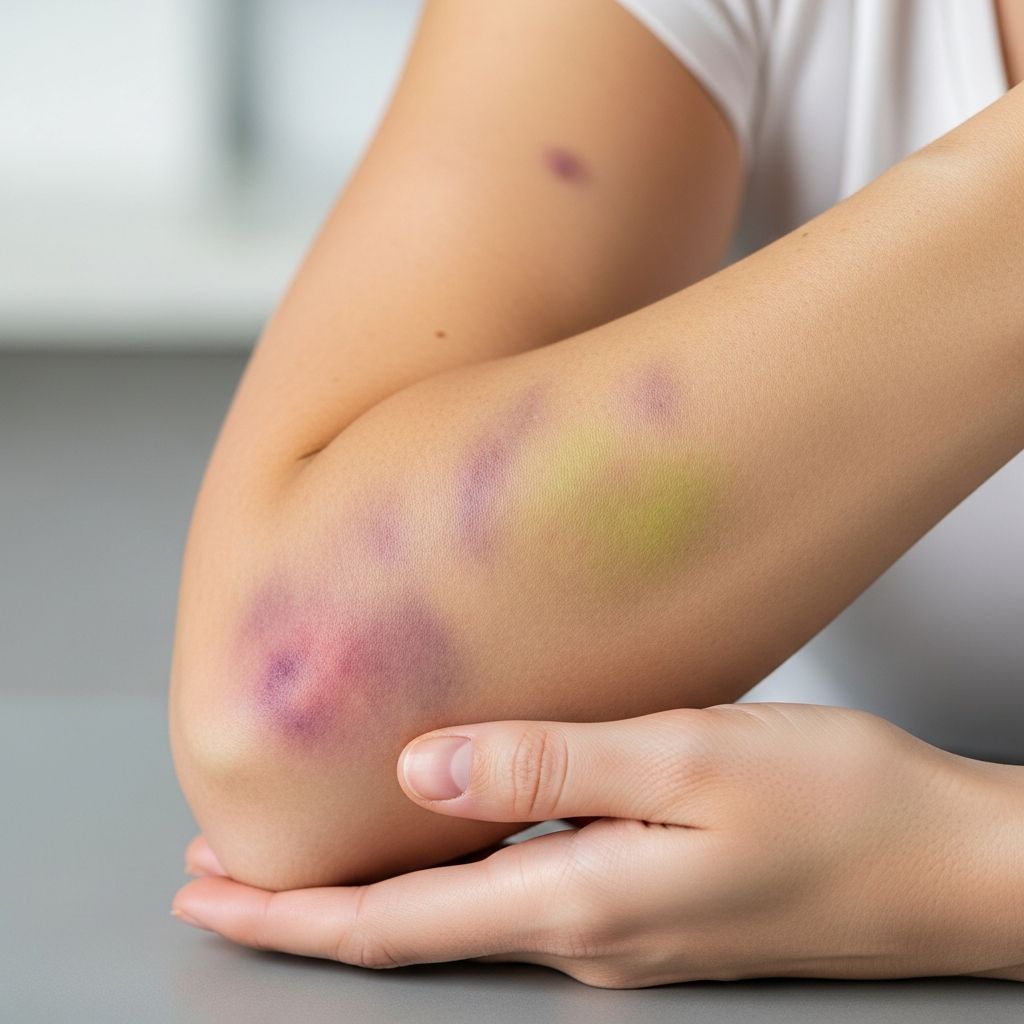
Experiencing frequent bruises from minor bumps or no apparent reason can be alarming. While occasional bruising is normal, persistent easy bruising often points to underlying health issues, particularly those affecting blood clotting or vessel integrity. One serious but often overlooked cause is
hepatitis C (HCV)
, a viral infection that silently damages the liver over years. The liver plays a critical role in producing clotting factors, and when impaired by HCV, it leads to easy bruising and bleeding.HCV affects over 2.4 million people in the U.S., with more than 50% developing chronic infection that progresses unnoticed until symptoms like bruising emerge. This article explores why HCV causes easy bruising, related skin symptoms, other potential causes, diagnostic steps, and treatment options. Understanding these connections can prompt timely medical intervention to prevent complications like cirrhosis or liver failure.
How Hepatitis C Leads to Easy Bruising
The liver, HCV’s primary target, synthesizes essential proteins for blood coagulation, including clotting factors II, VII, IX, and X, as well as fibrinogen and prothrombin. Chronic HCV infection triggers inflammation (hepatitis), progressing to fibrosis and cirrhosis in 15-30% of cases, impairing these functions. Damaged liver cells reduce clotting factor production, making blood vessels fragile and prone to rupture under minimal trauma, resulting in easy bruising (ecchymosis) or prolonged bleeding (petechiae).
In advanced stages, portal hypertension from cirrhosis further compromises clotting by trapping platelets in the spleen (hypersplenism), lowering circulating platelet counts (thrombocytopenia). Toxin buildup from poor liver detoxification exacerbates vessel fragility. Symptoms often appear after 20-30 years of silent infection, heralding liver disease.
- Key Mechanisms: Reduced clotting factors, low platelets, fragile capillaries.
- Prevalence: Up to 30% of chronic HCV patients develop cirrhosis, with bruising as an early sign.
- Risk Factors: IV drug use, unsterile tattoos/piercings, blood transfusions pre-1992, HCV-positive mother.
Skin Symptoms Associated with Hepatitis C
Beyond bruising, HCV manifests in various dermatological issues due to immune responses, toxin accumulation, and nutritional deficiencies from malabsorption. These skin changes often precede severe liver symptoms, serving as vital diagnostic clues.
Easy Bleeding and Bruising
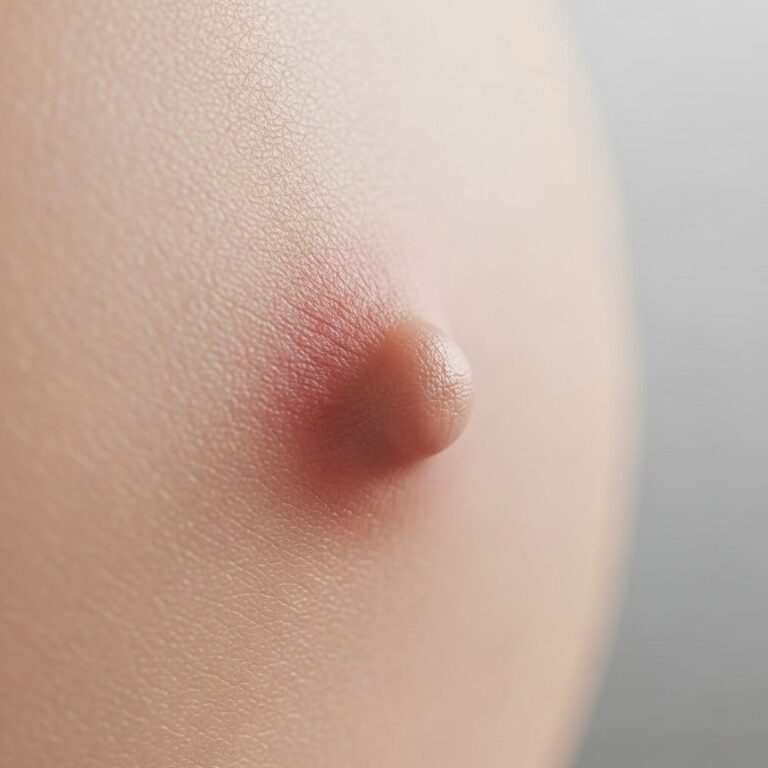
As noted, liver dysfunction directly causes this hallmark symptom. Bruises appear purple-red, spread easily, and heal slowly. Even dental procedures or minor cuts may lead to excessive bleeding.
Jaundice
Bilirubin buildup from impaired liver processing yellows skin and eyes. This occurs early in acute infection or late in chronic cases with cirrhosis.
Itching (Pruritus)
Toxins like bile salts deposit in skin, causing intense itching, often on palms/soles but widespread. Antihistamines provide relief, but treating HCV is essential.
Lichen Planus
Purple, itchy polygonal papules on wrists, ankles, or oral mucosa affect up to 30% of HCV patients. Steroids, retinoids, or light therapy manage it; HCV eradication often resolves lesions.
Related Stories



Porphyria Cutanea Tarda (PCT)
The most common porphyria, triggered by HCV in 50-90% of cases. Sun-exposed skin blisters, becomes fragile, with hyperpigmentation and hypertrichosis. Phlebotomy and antivirals treat it.
Necrolytic Acral Erythema (NAE)
Rare, psoriasis-like patches on dorsa of feet/hands; zinc deficiency links it to HCV. Supplements clear it rapidly.
Purpura and Vasculitis
Palpable purpura from leukocytoclastic vasculitis or cryoglobulinemia (40% of HCV cases). Lower extremities are common; antivirals and steroids help.
Other Signs: Edema, Terry’s Nails, Urticaria
Leg swelling from hypoalbuminemia; nails with white bands and distal erythema; persistent hives.
| Condition | Symptoms | Prevalence in HCV | Treatment |
|---|---|---|---|
| Easy Bruising | Large, frequent bruises | Common in cirrhosis | Treat HCV, Vitamin K |
| Lichen Planus | Purple itchy bumps | Up to 30% | Steroids, antivirals |
| PCT | Blisters on sun-exposed skin | 50-90% of PCT cases | Phlebotomy, DAAs |
| NAE | Dorsal foot plaques | Rare | Zinc supplements |
Other Causes of Easy Bruising
Not all easy bruising stems from HCV. Rule out these common culprits:
- Medications: Aspirin, NSAIDs, anticoagulants (warfarin), steroids thin blood.
- Vitamin Deficiencies: C (scurvy: perifollicular hemorrhages), K (impaired clotting).
- Aging/Skin Changes: Thinner skin, less fat cushioning vessels in elderly.
- Other Liver Diseases: Alcohol-related cirrhosis, fatty liver.
- Blood Disorders: Thrombocytopenia, hemophilia, leukemia (petechiae).
- Autoimmune: Lupus, vasculitis causing vessel inflammation.
Differentiate by history: HCV risks + skin symptoms suggest viral hepatitis; isolated bruising may indicate meds/deficiencies.
Diagnosis: Testing for Hepatitis C and Liver Function
If bruising persists, consult a doctor. Initial screening: anti-HCV antibody blood test (detects exposure). Positive? Confirm with HCV RNA PCR for active infection and viral load.
Liver assessment: ALT/AST enzymes, bilirubin, albumin, INR (clotting time), platelet count, FibroScan or biopsy for fibrosis.
- HCV Antibody Test: $20-50, 95% sensitive; window period 8-11 weeks post-exposure.
- RNA Test: Gold standard for cure (undetectable 12 weeks post-treatment).
Skin biopsy may identify lichen planus/PCT; dermatology referral if needed.
Treatment Options for HCV and Related Symptoms
Direct-acting antivirals (DAAs) cure >95% of HCV in 8-12 weeks: glecaprevir/pibrentasvir (Mavyret), sofosbuvir/velpatasvir (Epclusa). Early treatment halts liver damage, reverses bruising.
Symptom management:
- Bruising: Avoid trauma, Vitamin K supplements, platelet transfusions if severe.
- Itching/Jaundice: Ursodiol, cholestyramine.
- Skin Conditions: Topical steroids, phototherapy; zinc for NAE.
Lifestyle: No alcohol, healthy diet, exercise to support liver regeneration.
Prevention and Living with HCV
Prevent spread: Never share needles/razors; use sterile equipment for tattoos. Screen high-risk groups. Vaccinate against hepatitis A/B. Annual liver cancer screening for cirrhotics.
Frequently Asked Questions (FAQs)
What causes easy bruising with hepatitis C?
Liver damage reduces clotting factors and platelets, making vessels prone to rupture.
Can HCV be cured?
Yes, DAAs cure 95-99% of cases, preventing complications like cirrhosis.
How long before HCV symptoms appear?
Decades; 80% are asymptomatic until liver disease advances.
Is easy bruising always serious?
No, but with HCV risks or other symptoms, seek testing promptly.
Can diet help with bruising?
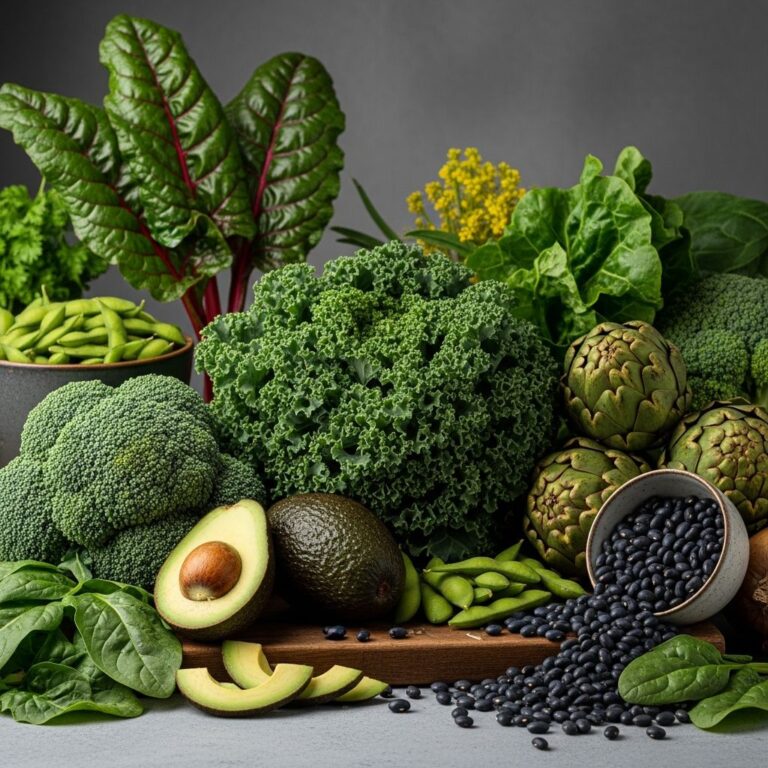
Vitamin C/K-rich foods (citrus, greens) support vessel health and clotting.
References
- 9 Symptoms Never to Ignore With Hepatitis C — Healthgrades. 2023. https://resources.healthgrades.com/right-care/hepatitis-c/9-symptoms-never-to-ignore-with-hepatitis-c
- The Effects of Hepatitis C on Your Body — Healthline. 2024-01-12. https://www.healthline.com/health/hepatitis-c/effects-on-the-body
- 13 Skin Problems and Rashes Caused By Hepatitis C — WebMD. 2024. https://www.webmd.com/hepatitis/hepatitis-c-skin-problems
- Hepatitis C Symptoms — Northwestern Medicine. 2023. https://www.nm.org/conditions-and-care-areas/infectious-disease/hepatitis-c/symptoms
- Hepatitis C: What It Is, Symptoms, Transmission & Treatment — Cleveland Clinic. 2025-06-20. https://my.clevelandclinic.org/health/diseases/15664-hepatitis-c
- What Are the Risks of Untreated Hep C — HealthCentral. 2023. https://www.healthcentral.com/slideshow/what-are-the-risks-of-untreated-hep-c
Similar Articles








Read full bio of medha deb