Why Do I Bruise So Easily? Causes and Solutions
Discover the common causes of easy bruising and learn when to seek medical attention.
Why Do I Bruise So Easily? Understanding the Common Causes
Bruising is a natural response of the body to injury, but if you find yourself developing bruises frequently without any apparent cause or after minor bumps, you may be wondering what’s happening. Easy bruising can affect anyone at any age, though it becomes increasingly common as we grow older. Understanding the underlying reasons for excessive bruising is important for determining whether you need medical attention or if simple lifestyle changes can help reduce the problem.
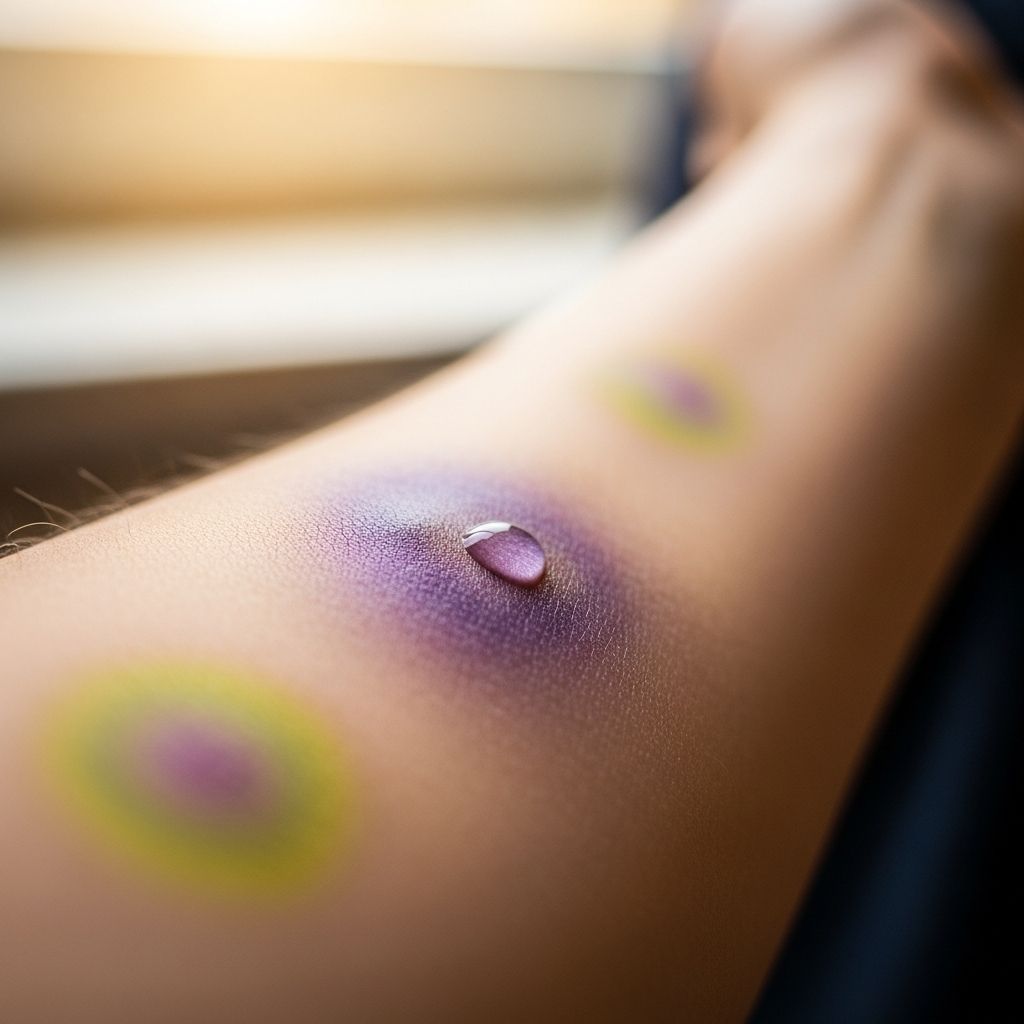
A bruise, medically known as a contusion, forms when small blood vessels called capillaries near the skin’s surface rupture due to impact or injury. Blood then leaks from these damaged vessels into the surrounding tissues, creating the characteristic discolored mark. Initially, bruises appear dark red or purple as hemoglobin in the blood comes into contact with oxygen outside the vessel. Over time, your body reabsorbs the blood, and the bruise fades to brown and eventually disappears. However, when you bruise easily and frequently, it may signal an underlying condition that deserves attention.
Common Causes of Easy Bruising
Medications and Their Effects on Blood Clotting
One of the most common reasons for easy bruising is the use of medications that affect your blood’s ability to clot properly. Anticoagulants, commonly known as blood thinners, work by preventing blood clots from forming, which can increase bruising and bleeding. Over-the-counter pain medications such as aspirin, ibuprofen (Advil), and naproxen (Aleve) also interfere with normal blood clotting by affecting how platelets function.
When blood takes longer to clot, more of it leaks from blood vessels and accumulates under the skin, resulting in more noticeable and possibly larger bruises. Anti-platelet agents like clopidogrel (Plavix), prasugrel (Effient), and ticagrelor (Brilinta) have similar effects. Additionally, certain antibiotics and antidepressants may cause problems with blood clotting. If you suspect that your medications are causing excessive bruising, speak with your doctor before making any changes to your medication regimen, as they may adjust your dosage or recommend an alternative.
Nutrient Deficiencies
Vitamins and minerals play crucial roles in maintaining healthy blood vessels and supporting proper blood clotting. Several nutrient deficiencies can directly lead to easy bruising.
Vitamin C is essential for maintaining strong and healthy blood vessels. This nutrient supports your immune system and aids in wound healing. Without adequate vitamin C, your skin becomes more susceptible to bruising, and even minor impacts can result in visible marks. Vitamin C also helps in the formation and maintenance of collagen, which provides structural support to blood vessels.
Vitamin K plays a vital role in blood clotting by helping activate clotting factors. Although vitamin K deficiency is rare in healthy adults, when it does occur, it can slow the rate at which blood clots. When blood doesn’t clot quickly, more of it pools beneath the skin and forms a bruise.
Related Stories



Iron is necessary for keeping your blood cells healthy. If you aren’t getting enough iron, your body cannot produce adequate oxygen-rich blood cells, which may make your skin more susceptible to bruising. Iron deficiency can also lead to anemia, which is closely associated with easy bruising.
Other vitamin and mineral deficiencies linked to easy bruising include vitamin B, vitamin E, vitamin D, zinc, and copper. If you suspect a nutritional deficiency, consult with a healthcare professional who may recommend blood tests, iron supplements, dietary modifications, or other interventions to address the deficiency.
Intense Physical Activity and Exercise
Intense exercise can leave you with more than just sore muscles. If you’ve recently overdone it at the gym or participated in strenuous athletic activity, you may develop bruises around the affected muscles. When you strain a muscle during intense exercise, you injure muscle tissue deep under the skin. This trauma causes blood vessels to burst and leak blood into the surrounding area. If your blood is taking longer to clot for any reason, the blood will pool under your skin more readily, resulting in more pronounced bruising.
Age-Related Changes in the Skin
Easy bruising becomes increasingly common as we age. Older adults are more prone to bruising because the skin naturally becomes thinner with age, and the fat layer that cushions blood vessels decreases. Additionally, connective tissues weaken over time, making blood vessels more fragile and vulnerable to rupture. The skin also loses some of its elasticity, and the protective padding under the skin diminishes, allowing even minor impacts to cause visible bruising.
Sun Exposure and Skin Damage
Prolonged exposure to ultraviolet radiation from the sun can weaken the connective tissue in your skin, leading to a condition called actinic purpura. This type of bruising develops when years of sun exposure damage the collagen and elastic fibers that support blood vessels. The damage accumulated over time makes blood vessels more fragile and prone to breaking, resulting in bruises that appear on sun-exposed areas of the body, particularly the arms and hands.
Blood Disorders
Certain blood disorders can significantly affect your body’s ability to clot properly, leading to easy bruising and prolonged bleeding. Hemophilia is a genetic disorder that affects the blood’s ability to clot. People with hemophilia A are missing clotting factor VIII, while those with hemophilia B lack clotting factor IX. Both conditions result in excessive bleeding and bruising, even from minor injuries.
Von Willebrand disease is characterized by a deficiency in von Willebrand factor, a protein necessary for proper blood clotting. This condition affects how platelets function and can lead to easy bruising and bleeding.
Thrombocytopenia refers to a decrease in the number of platelets, the blood cells responsible for clotting. Low platelet counts can result from various underlying conditions and significantly increase bruising and bleeding risk.
Leukemias are cancers that originate in the bone marrow and can disrupt the production of platelets or clotting factors, leading to easy bruising and other bleeding abnormalities.
Diabetes and Slow Healing
Although diabetes itself doesn’t directly cause bruising, it can slow your body’s healing time and allow bruises to linger longer than usual. Additionally, people with diabetes who regularly prick their skin to test blood sugar levels or inject insulin may develop bruising at injection sites. If you’re experiencing symptoms of diabetes alongside easy bruising, consult with a doctor for proper diagnosis and guidance.
Chemotherapy and Cancer Treatment
People undergoing chemotherapy or radiation treatments often experience excessive bleeding and bruising due to low blood platelet counts (thrombocytopenia). Without enough platelets, blood clots more slowly than usual, meaning that minor bumps or injuries can cause large or lumpy bruises. People undergoing cancer treatment may also experience vitamin deficiencies that further impact the blood’s ability to clot. Additionally, certain cancers affecting blood-producing organs like the liver can cause unusual clotting issues.
When Should You Be Concerned About Easy Bruising?
While random bruising usually isn’t a cause for worry, certain situations warrant medical attention. You should contact a healthcare provider if:
- You notice you’re bruising more frequently and easily than before
- Bruises appear without any obvious injury or trauma
- Bruises are accompanied by other symptoms such as bleeding gums, nosebleeds, or blood in urine or stool
- Bruises take an unusually long time to heal
- You have a family history of easy bruising or bleeding disorders
- Easy bruising develops after starting a new medication
- You have multiple large bruises in various stages of healing
Your doctor can perform blood tests and other evaluations to determine if an underlying condition is causing your easy bruising and recommend appropriate treatment.
How to Reduce Your Risk of Bruising
If you’re prone to easy bruising, several strategies can help reduce your risk:
- Ensure adequate intake of vitamin C, vitamin K, iron, and other essential nutrients through a balanced diet
- Protect your skin from sun damage by using sunscreen and wearing protective clothing
- Be cautious during physical activities to avoid unnecessary injuries
- Avoid medications that thin the blood unless prescribed by your doctor
- If you take blood-thinning medications, discuss with your doctor whether protective measures are needed
- Stay hydrated and maintain overall good health
- Avoid smoking, which can affect skin health and healing
For those with blood disorders or taking medications that increase bruising risk, wearing protective padding during activities can help prevent injuries.
Treatment and Healing
Most bruises heal naturally over time without medical intervention. To help speed healing and reduce discomfort:
- Apply ice to fresh bruises to reduce swelling
- Use compression with a bandage to minimize bleeding
- Elevate the injured area if possible
- Take over-the-counter pain relievers as needed (unless contraindicated)
- Rest the affected area
- Once the bruise has stopped swelling, apply heat to promote circulation
If you have a blood disorder or condition causing easy bruising, your healthcare provider may recommend specific treatments tailored to your diagnosis.
Frequently Asked Questions
Q: What deficiencies cause random bruising?
A: Several nutrient deficiencies can cause random bruising, including vitamin C, vitamin K, iron, vitamin B, vitamin E, vitamin D, zinc, and copper. These nutrients are essential for blood vessel integrity, blood clotting, and overall skin health.
Q: What kind of bruising should I worry about?
A: You should seek medical attention if bruising appears frequently and easily, occurs without obvious injury, is accompanied by other bleeding symptoms, takes unusually long to heal, or if you have a family history of bleeding disorders.
Q: Is random bruising a sign of anemia?
A: Random bruising may be a sign of anemia. The reduction in red blood cells that characterizes anemia can lead to symptoms like increased bruising and poor wound healing.
Q: Can medications cause easy bruising?
A: Yes, many medications can cause easy bruising, particularly blood thinners (anticoagulants), NSAIDs like aspirin and ibuprofen, anti-platelet agents, certain antibiotics, and some antidepressants. If you suspect your medication is causing bruising, consult your doctor.
Q: How can I prevent bruising?
A: Ensure adequate nutrition, protect your skin from sun exposure, avoid unnecessary injuries, discuss medications with your doctor, stay hydrated, and maintain overall good health. Protective padding during activities can also help prevent injury-related bruising.
References
- Random Bruising: 13 Possible Causes Excluding Obvious Injury — Healthline. 2024. https://www.healthline.com/health/random-bruising
- Blood Disorders That Cause Bruising — Medical News Today. 2024. https://www.medicalnewstoday.com/articles/blood-disorders-that-cause-bruising
- Easy Bruising: Why Does It Happen? — Mayo Clinic. 2024. https://www.mayoclinic.org/healthy-lifestyle/healthy-aging/in-depth/easy-bruising/art-20045762
- Protein Disorders Causing Bruising or Bleeding — Merck Manuals. 2024. https://www.merckmanuals.com/home/blood-disorders/bleeding-due-to-abnormal-blood-vessels/protein-disorders-causing-bruising-or-bleeding
Similar Articles








Read full bio of medha deb