Why Do I Drool When I Sleep? 8 Causes & Solutions
Discover the common causes of nighttime drooling, from sleep positions to medical conditions, and practical remedies to stay dry.
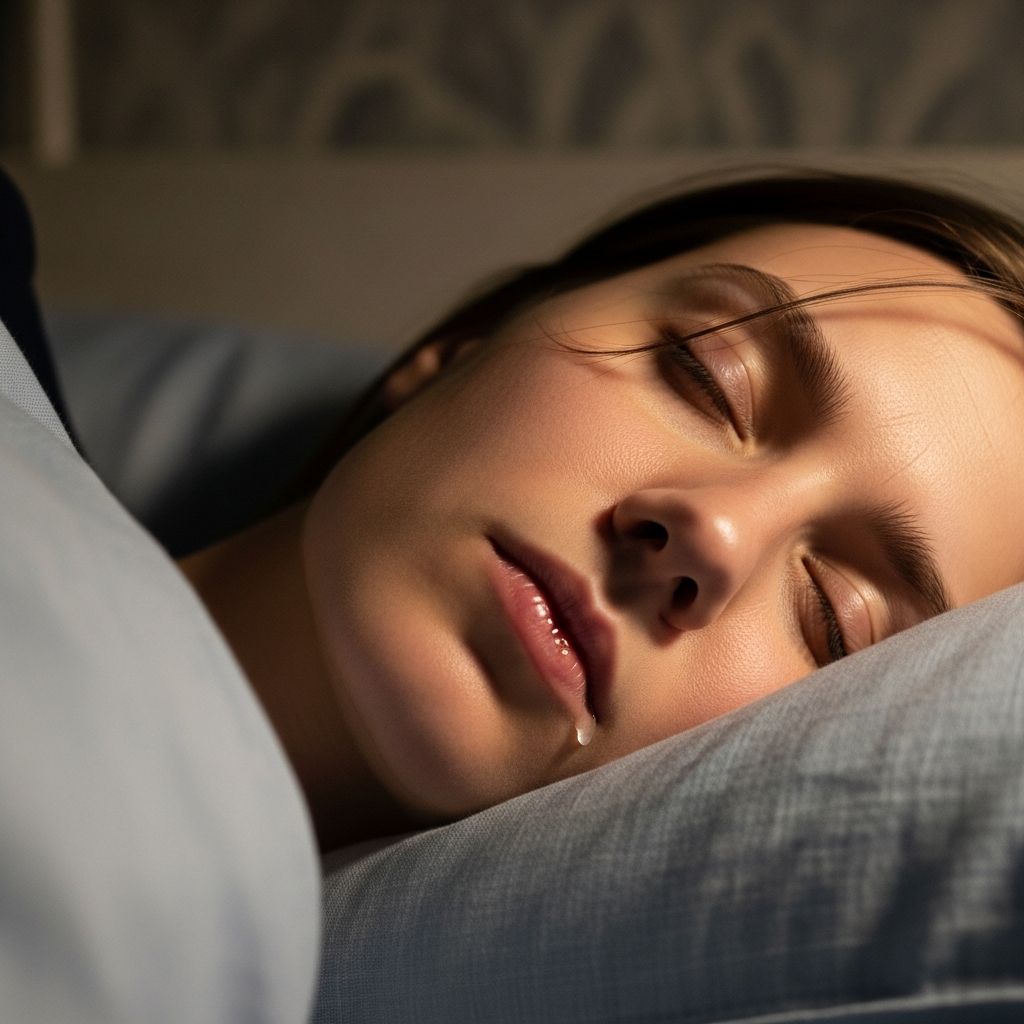
Drooling during sleep, medically known as sialorrhea, occurs when excess saliva escapes the mouth due to relaxed muscles and reduced swallowing reflexes at night. While occasional drooling is normal and helps lubricate the mouth and throat, excessive amounts can lead to wet pillows, embarrassment, bad breath, or even dehydration if persistent.
Saliva production continues around the clock, following a circadian rhythm with slightly reduced output at night, but factors like sleep position, nasal congestion, or underlying health issues can cause buildup and leakage. This article covers the primary causes, prevention strategies, treatment options, and when to consult a healthcare provider.
Is Drooling While Sleeping Normal?
Yes, drooling in your sleep is a common and typically benign occurrence affecting people of all ages. During sleep, facial muscles relax, swallowing decreases, and saliva—produced at about 0.3 to 0.5 milliliters per minute—can pool if not managed by subtle oromotor movements in the mouth.
For infants and toddlers, drooling is especially normal due to teething and underdeveloped swallowing control, but in adults, it often ties to positional habits or temporary issues like allergies. Research indicates that side or stomach sleepers are more prone because gravity pulls saliva toward the lips. However, if drooling suddenly increases or accompanies other symptoms, it may warrant investigation for conditions like GERD or neurological issues.
Common Causes of Drooling in Your Sleep
Several factors contribute to nighttime drooling, ranging from benign habits to medical conditions. Understanding these can help identify triggers and solutions.
Sleep Position
The most frequent cause is sleeping on your side or stomach, where gravity directs saliva outward rather than down the throat. Back sleeping allows saliva to flow naturally into the esophagus without leaking. Stomach sleepers face added risk if mouth breathing occurs, as lips part easily.
- Side sleeping: Saliva pools on the lower cheek and dribbles out.
- Stomach sleeping: Head turn causes saliva to escape from the mouth’s corner.
- Back sleeping: Minimal drooling due to upright esophageal path.
Mouth Breathing and Nasal Congestion
Allergies, colds, or sinus issues force mouth breathing, keeping lips apart and allowing saliva to escape. Chronic nasal obstruction from deviated septum or polyps exacerbates this. Pollen, dust mites, or pet dander can trigger seasonal increases in drooling.
Gastroesophageal Reflux Disease (GERD)
GERD irritates the esophagus with stomach acid reflux, prompting excess saliva production (water brash) to neutralize it. Dysphagia, or swallowing difficulty, compounds drooling, often with a ‘lump in throat’ sensation. Nighttime symptoms worsen when lying flat.
Obstructive Sleep Apnea (OSA)
OSA causes breathing pauses, leading to mouth breathing and open-mouth sleeping, which promotes drooling. Associated signs include snoring, gasping, daytime fatigue, and morning headaches. Untreated OSA heightens cardiovascular risks, making evaluation essential.
Related Stories



Bruxism (Teeth Grinding)
Sleep bruxism relaxes jaw muscles and encourages mouth opening, facilitating saliva escape. Linked to stress, it often pairs with snoring and restless sleep. Protective mouthguards can mitigate both grinding and drooling.
Medications and Substances
Certain drugs stimulate salivary glands, causing hypersalivation. Common culprits include antipsychotics, seizure medications, antibiotics, and Alzheimer’s treatments. Spicy foods, heavy evening meals, or alcohol can also boost saliva flow.
Dental and Oral Health Issues
Tooth decay, gum disease, ill-fitting dentures, or infections like thrush impair swallowing or cause excess saliva. Pharyngitis or mouth ulcers irritate tissues, increasing production.
Neurological and Other Conditions
Conditions like Parkinson’s, cerebral palsy, stroke, or autonomic neuropathy disrupt swallowing reflexes. Stress, fatigue, or endocrine disorders may indirectly contribute by altering saliva regulation.
How to Stop Drooling While You Sleep
Most cases resolve with simple lifestyle tweaks. Persistent issues may need medical input.
Lifestyle Changes
- Adjust sleep position: Train to back sleep using body pillows or wedges to prevent rolling.
- Elevate head: Use a wedge pillow to reduce reflux and congestion.
- Treat allergies: Antihistamines, nasal strips, or air purifiers clear airways.
- Diet tweaks: Avoid spicy foods, caffeine, alcohol, and large dinners close to bedtime.
- Oral hygiene: Brush, floss, and use mouthwash; see dentist for issues.
Home Remedies and Devices
Nasal decongestants or saline rinses aid breathing. Chin straps keep mouth closed, though comfort varies. Thicker pillows support proper alignment.
| Method | Pros | Cons |
|---|---|---|
| Back Sleeping | Simple, cost-free | Hard habit to form |
| Wedge Pillow | Reduces GERD | Initial discomfort |
| Chin Strap | Promotes nasal breathing | May slip off |
| Nasal Strips | Opens airways | Temporary relief |
Treatments for Excessive Drooling
For chronic sialorrhea, options escalate from conservative to advanced.
- Speech therapy: Strengthens swallowing muscles.
- Medications: Anticholinergics like glycopyrrolate dry saliva; Botox injections to glands.
- Surgery: Rare, for salivary gland removal or duct rerouting in severe neurological cases.
Address root causes: CPAP for OSA, PPIs for GERD, or bruxism guards.
When to See a Doctor
Consult if drooling is sudden, excessive, or with symptoms like:
- Snoring, apnea signs, or daytime sleepiness.
- Heartburn, swallowing pain, or weight loss.
- Jaw pain, headaches, or grinding sounds.
- Neurological changes like tremors or weakness.
- Pillows soaked nightly or skin irritation.
Early intervention prevents complications like aspiration or dental erosion.
Frequently Asked Questions (FAQs)
Is drooling while sleeping a sign of bad health?
Not usually—it’s often positional. But excessive drooling with other symptoms may indicate GERD, OSA, or allergies.
Does drooling mean I’m a deep sleeper?
Partly; deep sleep relaxes muscles more, reducing swallowing awareness.
Can allergies cause nighttime drooling?
Yes, by causing mouth breathing and open lips.
How does GERD lead to drooling?
Acid reflux triggers protective saliva overproduction and swallowing issues.
Will a mouthguard stop drooling?
It can if bruxism or mouth breathing is the cause, by promoting lip closure.
Is drooling common in pregnancy?
Yes, hormonal changes increase saliva; combine with nausea-related swallowing changes.
Can stress cause drooling at night?
Indirectly, via bruxism or poor sleep quality.
References
- What might cause sudden drooling during sleep? | Ubie Doctor’s Note — Ubie Health. 2025-03-17. https://ubiehealth.com/doctors-note/sudden-drooling-sleeping-possible-causes
- Why Do You Drool In Your Sleep? Causes and Remedies Explained — Sleep Foundation. N/A. https://www.sleepfoundation.org/sleep-faqs/drooling-in-your-sleep
- Causes of drooling while sleeping — Vinmec. N/A. https://www.vinmec.com/eng/blog/causes-of-salivation-while-sleeping-en
- How to Stop Drooling: 6 Ways and Causes — Healthline. N/A. https://www.healthline.com/health/how-to-stop-drooling
- Drooling: Definition & Causes — Cleveland Clinic. N/A. https://my.clevelandclinic.org/health/symptoms/22384-drooling
Similar Articles








Read full bio of Sneha Tete