Why Do I Feel Like I Have to Pee After I Already Peed?
Discover common causes of the persistent urge to urinate right after peeing and when to seek medical help.
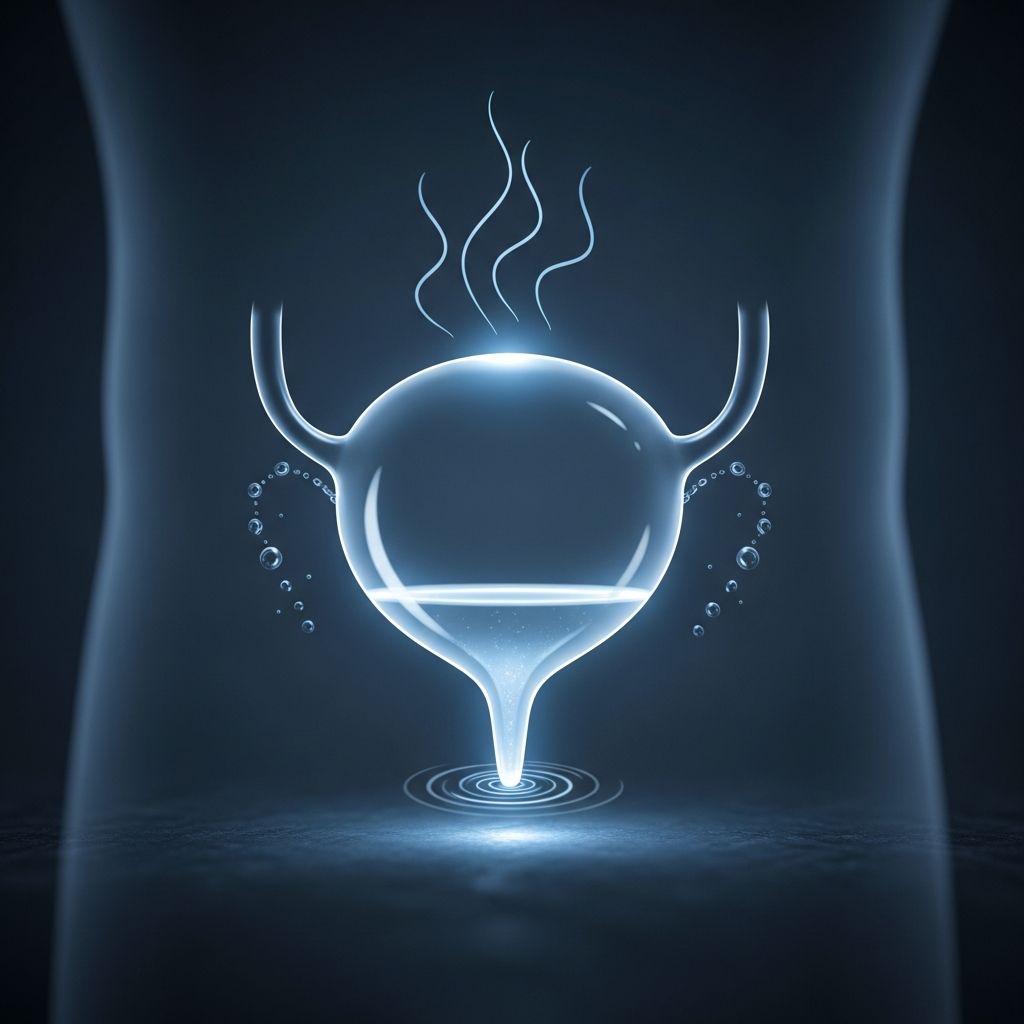
The sensation of needing to urinate immediately after emptying your bladder can be frustrating and disruptive. This symptom, known as
urinary urgency
or a persistent urge to pee, affects many people and often points to underlying bladder or urinary tract issues. While occasional feelings like this may stem from habits or hydration, frequent occurrences warrant attention.Normal urination frequency ranges from 7-8 times per day for most adults, but feeling incomplete after peeing suggests your bladder isn’t fully relaxing or emptying properly. Women may experience this more due to anatomical factors, with healthy ranges up to 10 times daytime and 0-4 nighttime voids. Understanding the causes helps determine if it’s benign or requires medical intervention.
What Does It Mean When You Feel Like You Have to Pee After You Already Peed?
This feeling, often described as an
incomplete emptying sensation
orpost-micturition dribble
, means your bladder signals a need to urinate despite recent voiding. It differs from frequent urination (polyuria), focusing instead on urgency and incomplete voiding.Key characteristics include:
- A strong, sudden urge shortly after peeing
- Sensation of residual urine in the bladder
- Small amounts of urine passed on subsequent attempts
- Discomfort or pressure in the lower abdomen
According to Cleveland Clinic, this isn’t normal if it disrupts daily life or occurs frequently, as it may indicate bladder dysfunction or irritation. In healthy women, voiding up to 10 times daily is within norms, but persistent urgency exceeds this.
10 Reasons You Feel Like You Still Have to Pee After Peeing
Several conditions and factors contribute to this symptom. Here’s a breakdown of the most common causes, supported by medical insights:
1. Urinary Tract Infection (UTI)
UTIs are a leading cause, especially in women. Bacteria irritate the bladder lining, causing urgency and frequent small voids. Symptoms include burning during urination and cloudy urine. Cleveland Clinic notes UTIs as a top trigger for frequent urination with urgency.
2. Overactive Bladder (OAB)
OAB involves involuntary bladder contractions, leading to sudden urges. Up to 40% of women experience it occasionally. The Urology Care Foundation highlights overwhelming urges that are hard to control.
3. Interstitial Cystitis (IC) or Bladder Pain Syndrome
This chronic condition causes bladder inflammation, mimicking UTI symptoms without infection. Patients feel constant pressure and urgency, even after voiding.
4. Pelvic Floor Dysfunction
Weak or tight pelvic muscles fail to support the bladder properly, leading to incomplete emptying. Common post-childbirth or with aging.
5. Enlarged Prostate (in Men)
Benign prostatic hyperplasia (BPH) obstructs urine flow, causing residual urine and urgency. Affects older men predominantly.
Related Stories



6. Diabetes
High blood sugar leads to excess urine production (polyuria). Type 1 and 2 diabetes commonly present with frequent, urgent urination as the body expels glucose.
7. Pregnancy
Hormonal changes and uterine pressure on the bladder increase urgency, especially in the first and third trimesters.
8. Medications (e.g., Diuretics)
Drugs like diuretics increase urine output, amplifying urges. Adjusting timing can help.
9. Excessive Fluid Intake or Irritants
Overhydration or caffeine/alcohol irritate the bladder. Concentrated urine from dehydration also triggers urgency.
10. Neurological Conditions or Kidney Issues
Problems like kidney disease damage filters, increasing urination frequency and urgency.
| Cause | Common Symptoms | Affected Groups |
|---|---|---|
| UTI | Burning, cloudy urine | Women |
| OAB | Sudden urges, leakage | Women, older adults |
| Diabetes | High volume urine, thirst | All ages |
| Enlarged Prostate | Weak stream, dribbling | Men over 50 |
Associated Symptoms to Watch For
Accompanying signs can help pinpoint the cause:
- Pain or burning (UTI)
- Incontinence or leakage (OAB)
- Lower back pain (kidney issues)
- Fatigue, thirst (diabetes)
- Pelvic pain (IC)
Seek immediate care if you experience fever, blood in urine, or severe pain.
Diagnosis: How Doctors Identify the Cause
Healthcare providers start with a history and physical exam. Tests include:
- Urinalysis for infection or glucose
- Bladder scan for residual urine
- Urodynamic testing for bladder function
- Cystoscopy for internal views
Early diagnosis prevents complications like recurrent infections.
Treatment Options for Persistent Urge to Pee
Treatments target the underlying cause:
- Antibiotics for UTIs
- Anticholinergics or beta-3 agonists for OAB
- Pelvic floor therapy for muscle issues
- Lifestyle changes: Limit irritants, timed voiding
- Surgery for severe BPH or prolapse
Strategies like wise hydration—aiming for light yellow urine—reduce episodes.
Lifestyle Tips to Manage Symptoms
Even without a diagnosis, these help:
- Drink 40-64 oz fluids daily, based on thirst
- Avoid caffeine, alcohol after 5 PM
- Practice double voiding: pee, wait, pee again
- Strengthen pelvic floor with Kegels
- Track intake and voids in a bladder diary
When to See a Doctor
Consult a provider if urgency persists >1 week, disrupts sleep, or includes red flags like hematuria or fever. Nocturia >2x/night in healthy adults signals issues.
Frequently Asked Questions (FAQs)
Is it normal to feel like I have to pee right after peeing?
No, occasional is fine, but frequent suggests irritation or dysfunction. Normal is 7-8 voids/day.
How much urination is too much?
Over 8-10 daytime or 2+ nighttime in healthy adults; context like fluids matters.
Can dehydration cause urgency?
Yes, concentrated urine irritates the bladder.
Does OAB go away?
It can be managed with treatment; not always curable.
Is frequent peeing a diabetes sign?
Yes, especially with high volume and thirst.
References
- Frequent Urination: Causes, What It Means & How To Stop — Cleveland Clinic. 2023-10-12. https://my.clevelandclinic.org/health/symptoms/15533-frequent-urination
- Urination Frequency Ranges in Healthy Women — PMC (NCBI). 2022-08-15. https://pmc.ncbi.nlm.nih.gov/articles/PMC9420750/
- Gotta Go? 9 Strategies to Stop Peeing So Much — AARP. 2024-05-20. https://www.aarp.org/health/healthy-living/frequent-urination/
- 10 Signs You May Have Kidney Disease — National Kidney Foundation. 2023-11-01. https://www.kidney.org/news-stories/10-signs-you-may-have-kidney-disease
- Frequent or urgent urination — MedlinePlus (NIH). 2024-02-10. https://medlineplus.gov/ency/article/003140.htm
Similar Articles








Read full bio of medha deb