Butt Pimples: Expert Guide To Causes, Treatments, Prevention
Discover the real causes of butt pimples, from folliculitis to boils, and get expert tips on treatment and prevention strategies.
“Butt acne” is a common complaint, but these bumps on your buttocks are rarely true acne vulgaris. Instead, they often stem from conditions like folliculitis, keratosis pilaris, or boils, triggered by friction, sweat, tight clothing, or infections. This comprehensive guide explores the real causes, effective treatments, prevention strategies, and when to seek medical help, drawing from dermatological expertise to help you reclaim smooth skin.
What Causes Pimples on Your Butt?
The buttocks are prone to pimple-like eruptions due to their warm, moist environment, constant friction from clothing and movement, and hair follicles that trap sweat and bacteria. Unlike facial acne caused by clogged pores with oil and dead skin, butt “pimples” frequently involve inflamed hair follicles or other dermatological issues. Understanding the root cause is key to effective management.
Folliculitis: The Most Common Culprit
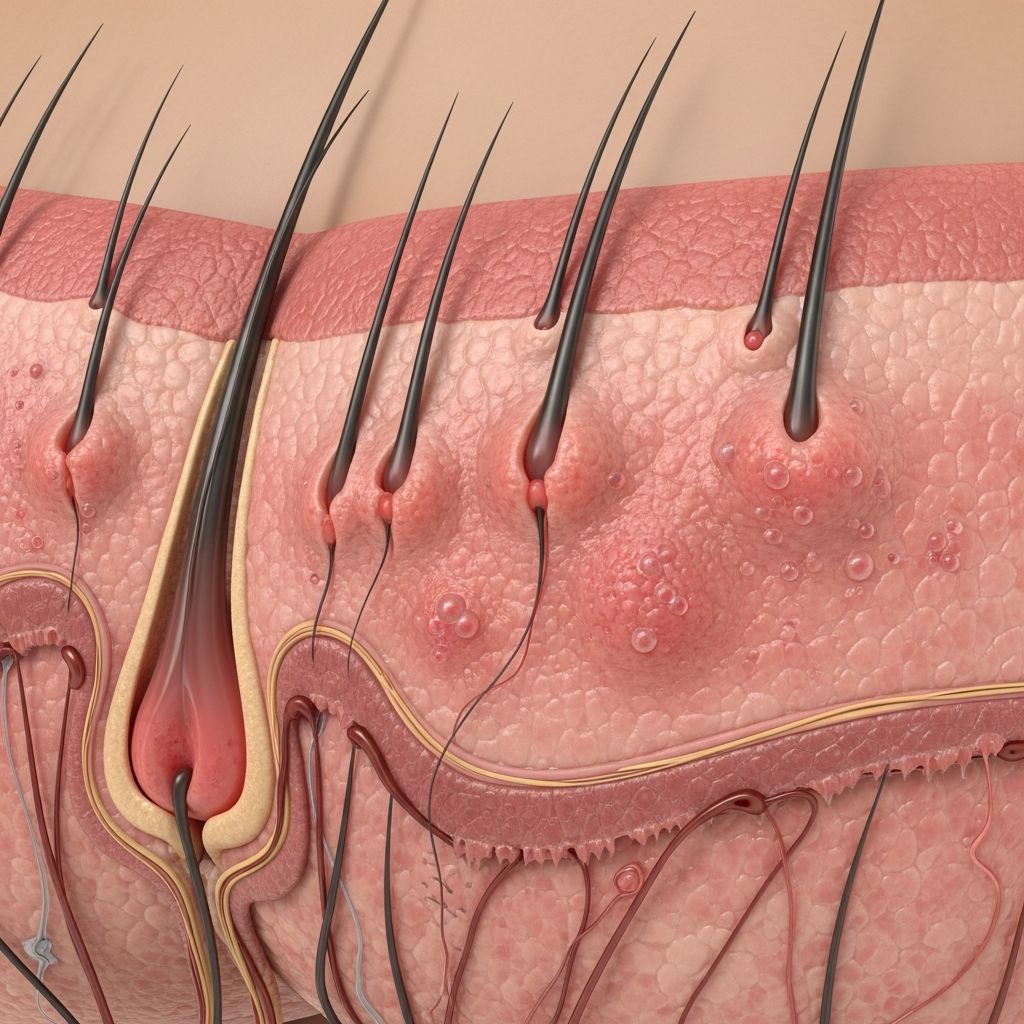
Folliculitis tops the list as the primary cause of butt pimples, characterized by inflammation or infection of hair follicles. It appears as red, itchy bumps or pus-filled pustules resembling pimples. Common triggers include:
- Friction from tight clothing, cycling, or prolonged sitting.
- Shaving, waxing, or plucking that introduces bacteria.
- Bacterial infections, especially Staphylococcus aureus.
- Sweat and occlusion from non-breathable fabrics post-workout.
Symptoms range from mild rash-like clusters to painful, isolated bumps. Hot tub folliculitis from Pseudomonas bacteria is a specific variant acquired in poorly sanitized water.
Keratosis Pilaris: Rough, Bumpy Skin
Keratosis pilaris (KP) presents as small, rough, flesh-colored or red bumps on the upper arms, thighs, and buttocks, often mistaken for pimples. Caused by keratin buildup plugging hair follicles, it affects up to 40% of adults and 50-80% of adolescents. It’s harmless, chronic, and genetically linked, worsening in dry weather. Unlike pimples, KP bumps are not pus-filled and don’t itch intensely.
Boils and Carbuncles: Painful Abscesses
Boils (furuncles) are deep infections starting in hair follicles, forming painful, pus-filled lumps. Multiple connected boils form carbuncles. Caused by bacteria like Staphylococcus aureus, risk factors include diabetes, weakened immunity, poor hygiene, and close skin contact in sports. They can grow to walnut size, cause fever, and require drainage if persistent.
Other Possible Causes of Butt Bumps
Beyond the big three, several conditions mimic butt pimples:
- Hidradenitis Suppurativa (HS): Chronic inflammation of sweat glands leading to painful nodules and tunnels in skin folds.
- Contact Dermatitis: Allergic reactions to soaps, detergents, or fabrics causing red, itchy rashes.
- Molluscum Contagiosum: Viral pearly bumps from skin-to-skin contact.
- Cysts: Blocked sebaceous glands forming firm, movable lumps.
These require tailored diagnosis, as self-treatment can worsen them.
Can Butt Pimples Be an STI?
While rare, sexually transmitted infections (STIs) can cause butt-area bumps, prompting understandable concern. Key possibilities include:
| Condition | Symptoms | Transmission |
|---|---|---|
| Genital Herpes (HSV) | Blister-like sores, burning/itching, recurrent | Skin-to-skin contact, sexual or non-sexual |
| Mpox (Monkeypox) | Pus-filled blisters that crust over, fever | Skin-to-skin, respiratory droplets |
| Syphilis | Painless chancre sores | Sexual contact |
| Human Papillomavirus (HPV) | Wart-like growths | Skin-to-skin contact |
Related Stories



Herpes lesions feel softer and blister more than pimples. Mpox has systemic symptoms. Non-sexual spread is possible for both. If exposure risk exists or bumps persist, get tested promptly—early antiviral treatment for herpes improves outcomes.
Risk Factors for Butt Pimples
An “ideal storm” fosters butt bumps:
- Sweaty Environments: Gyms, saunas trap moisture.
- Tight Clothing: Synthetic fabrics block airflow.
- Poor Hygiene: Infrequent showers post-sweat.
- Hair Removal: Micro-cuts invite bacteria.
- Weakened Immunity: Stress, illness, medications.
Obesity and hormonal fluctuations exacerbate issues by increasing friction and sweat.
How to Treat Pimples on Your Butt
Most cases resolve with home care, but persistent or severe bumps warrant professional evaluation. Follow this step-by-step approach:
- Gentle Cleansing: Use antibacterial soap (e.g., benzoyl peroxide 5-10%) twice daily. Pat dry.
- Warm Compresses: Apply 10-15 minutes, 3-4 times daily to draw out pus and reduce inflammation.
- Topical Treatments: Hydrocortisone for itch, antibiotic ointments for infection.
- Exfoliation: Salicylic acid or urea creams for KP.
- Avoid Squeezing: Risks scarring and spread.
For boils, doctors may lance and drain. Oral antibiotics treat stubborn infections. Fungal causes need antifungals.
Prevention Tips for Butt Acne
Proactive habits minimize recurrence:
- Shower immediately after sweating with antimicrobial cleansers.
- Wear loose, breathable cotton underwear; change post-workout.
- Launder sheets/towels weekly in hot water.
- Moisturize daily to prevent KP dryness.
- Avoid sharing razors/towels; disinfect shaving tools.
- Use clean gym equipment or cover with towels.
Lifestyle tweaks like weight management reduce skin folds and friction.
When to See a Doctor for Butt Pimples
Consult a dermatologist if:
- Bumps worsen, spread, or cause fever/chills.
- Persistent >2 weeks despite home care.
- Painful, large boils or abscesses.
- Suspected STI exposure or atypical symptoms.
- Recurrent episodes signaling underlying issues like diabetes.
Professionals differentiate causes via exam, culture, or biopsy, prescribing targeted therapies.
Frequently Asked Questions (FAQs)
Are butt pimples always folliculitis?
No, they can be keratosis pilaris, boils, or other conditions. Diagnosis is essential.
Can I pop butt pimples?
Avoid popping; it spreads infection and scars. Use warm compresses instead.
Do butt pimples go away on their own?
Mild cases yes, in 7-10 days. Persistent ones need treatment.
Is butt acne contagious?
Bacterial folliculitis or boils can spread via contact; practice hygiene.
How long do butt boils last?
1-2 weeks untreated; faster with care. See a doctor if >2 weeks.
This guide empowers you to address butt pimples effectively. Prioritize hygiene, breathability, and prompt care for optimal skin health.
References
- Butt Acne: Causes, Treatment and Prevention — Cleveland Clinic. 2023-10-12. https://health.clevelandclinic.org/butt-acne
- Folliculitis — Mayo Clinic. 2024-05-08. https://www.mayoclinic.org/diseases-conditions/folliculitis/symptoms-causes/syc-20361634
- Keratosis Pilaris — American Academy of Dermatology. 2023-11-15. https://www.aad.org/public/diseases/a-z/keratosis-pilaris-overview
- Boils and Carbuncles — Centers for Disease Control and Prevention (CDC). 2024-02-20. https://www.cdc.gov/groupastrep/diseases-public/strep-flesh-eating.html
- Genital Herpes — World Health Organization (WHO). 2023-12-01. https://www.who.int/news-room/fact-sheets/detail/herpes-simplex-virus
Similar Articles








Read full bio of Sneha Tete