Why Do I Have So Many Moles? 5 Warning Signs & Prevention Tips
Discover the reasons behind having numerous moles, when to worry about skin changes, and essential tips for monitoring melanoma risk effectively.
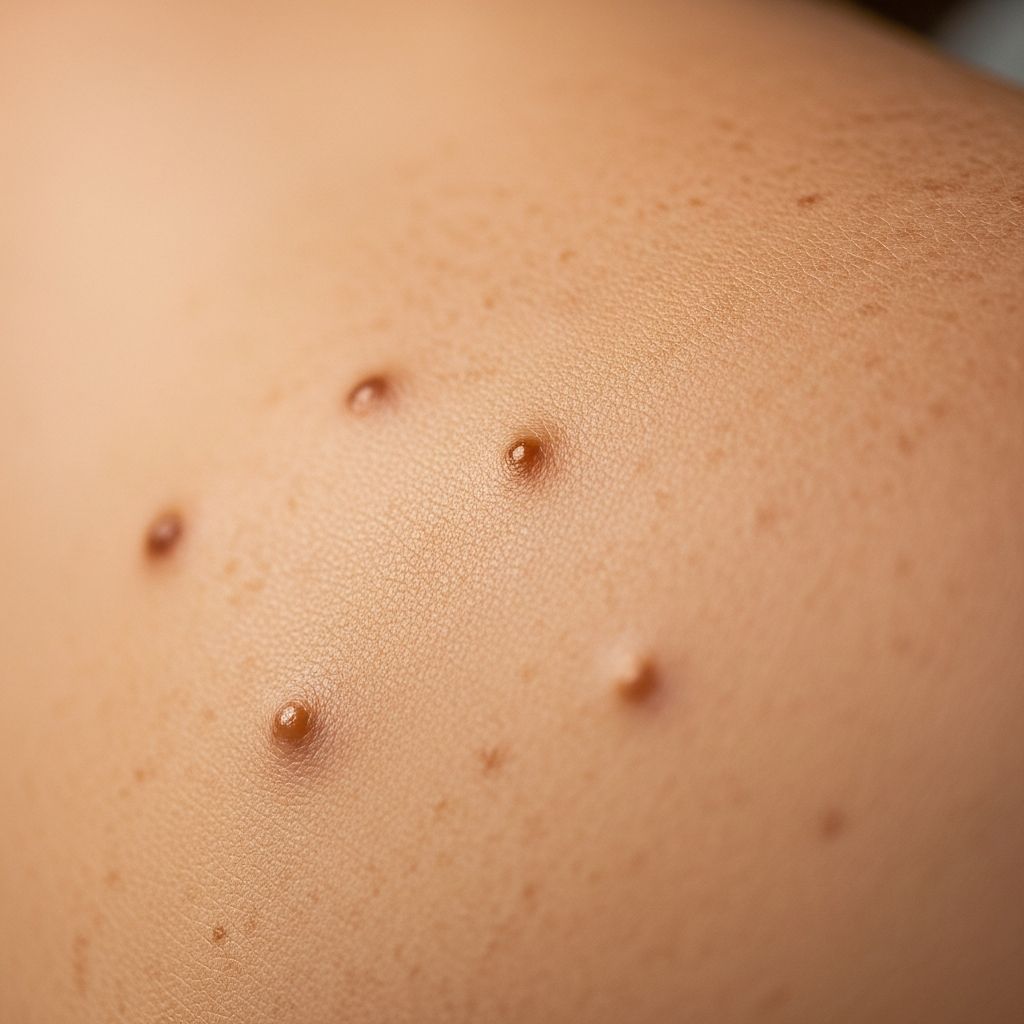
Moles, also known as nevi, are common skin growths formed by clusters of melanocytes, the pigment-producing cells in the skin. Most people develop between 10 and 40 moles during their lifetime, but some have significantly more, often due to genetic and environmental factors. While the majority of moles are benign, having many moles can elevate the risk of melanoma, the deadliest form of skin cancer.
This article explains the causes of numerous moles, how to distinguish harmless ones from potentially dangerous atypical moles, and practical steps for skin health monitoring. Understanding these factors empowers you to protect your skin effectively.
What Are Moles?
Moles arise when melanocytes grow in clusters instead of dispersing evenly across the skin. These growths can appear anywhere on the body, varying in size, shape, color, and texture. Normal moles are typically round or oval, smaller than a quarter-inch (6 mm) in diameter, with smooth, even borders and uniform color—often brown, black, or flesh-toned.
Benign moles may be flat or raised and can develop hair. They often emerge during childhood and adolescence, with most appearing by age 20. Hormonal changes like puberty or pregnancy can cause them to darken, thicken, or enlarge without indicating danger. In children, moles are common, and variations in number depend on ethnicity; darker-skinned individuals may have fewer but more prominent moles.
Why Do Some People Have More Moles Than Others?
The number of moles is largely genetic. Fair-skinned individuals with light hair and eyes tend to have more moles. Sun exposure, especially childhood sunburns, stimulates new mole formation. Family history plays a key role; those with relatives who have many moles or melanoma history are at higher risk.
Atypical mole syndrome, or dysplastic nevus syndrome, affects about 1-2% of the population, leading to dozens or hundreds of irregular moles. These individuals have a 10-fold increased melanoma risk. Environmental factors like UV radiation from tanning beds or intense sun accelerate mole development. Adults typically stabilize mole counts after age 40, but new moles post-30 warrant attention.
Normal Moles vs. Atypical Moles
Normal moles maintain consistent features over time. Atypical moles, however, exhibit irregularities and signal higher melanoma risk. Dermatologists classify atypia as mild, moderate, or severe; severely atypical ones may be excised for lab analysis.
| Feature | Normal Moles | Atypical Moles |
|---|---|---|
| Shape | Round or oval, symmetrical | Irregular, asymmetrical |
| Border | Smooth, even | Notched, blurred, or ragged |
| Color | Uniform (tan, brown, black) | Multi-colored (shades of brown, red, white, blue) |
| Size | <6mm (pencil eraser size) | >6mm or changing |
| Changes | Stable or predictable (e.g., puberty darkening) | Growing, itching, bleeding |
Acral melanoma, aggressive in darker skin tones, appears on palms, soles, or nails and may mimic moles due to camouflage. Seborrheic keratoses, waxy raised spots, are harmless but often mistaken for changing moles.
The ABCDE Rule for Spotting Dangerous Moles
Dermatologists recommend the ABCDE mnemonic for self-exams to detect melanoma early, when it’s most treatable.
- A: Asymmetry – One half doesn’t match the other, unlike symmetrical benign moles.
- B: Border – Irregular, scalloped, or poorly defined edges.
- C: Color – Varied shades or uneven distribution; watch for black, brown, red, white, or blue hues.
- D: Diameter – Larger than 6mm, though melanomas can be smaller.
- E: Evolving – Any change in size, shape, color, elevation, or new symptoms like itching or bleeding.
Related Stories



About 20-30% of melanomas develop in existing moles; 70% arise as new spots. Monthly self-checks, especially for those with many moles, are crucial.
Risk Factors for Melanoma Linked to Moles
- Many moles: >50 increases risk 7-fold.
- Atypical moles: Combined with family history, risk skyrockets.
- UV exposure: Sunburns and tanning beds promote mutations.
- Genetics: Fair skin, freckles, blue eyes; family melanoma history.
- Age and hormones: Peaks in 20s-30s; rare in kids under 15 (1 in 1 million).
People with skin of color have lower overall risk but higher acral melanoma rates.
When Should You See a Dermatologist?
Consult a dermatologist for any ABCDE changes, new moles after 30, or rapid growth. Those with >50 moles or atypical moles need annual full-body exams. Suspicious moles may be biopsied or excised with margins.
Monthly self-exams: Use a mirror, full-length mirror, and partner for back checks. Good lighting and photos track changes. Puberty/pregnancy alterations are normal but monitor closely.
Prevention and Skin Care Tips
- Apply broad-spectrum SPF 30+ sunscreen daily, reapply every 2 hours.
- Avoid peak sun (10am-4pm); wear protective clothing, hats, sunglasses.
- Never use tanning beds.
- Perform monthly self-exams; annual dermatologist visits for high-risk individuals.
- Protect children from sunburns to limit future moles.
Most moles never become cancerous, but vigilance saves lives. Early melanoma detection boasts 99% 5-year survival.
Frequently Asked Questions (FAQs)
Are moles always dangerous?
No, most moles are harmless clusters of melanocytes. Only atypical or changing ones raise concern.
Can moles appear later in life?
Yes, but new moles after 30 or changing ones need evaluation, as 70% of melanomas start anew.
Do moles in children indicate cancer?
Rarely; melanoma is 1 in 1 million under 15. Normal changes from growth/hormones are common.
Should I remove all my moles?
No, unless suspicious or bothersome. Cosmetic removal risks scarring and regrowth.
How often should I check my skin?
Monthly self-exams; high-risk individuals see dermatologists yearly.
Are hairy moles normal?
Yes, especially larger congenital ones or during puberty.
References
- Moles: 8 Things Doctors Want You to Know — Healthgrades. 2023. https://resources.healthgrades.com/right-care/skin-hair-and-nails/moles-8-things-doctors-want-you-to-know
- Know your moles and the ABCDE of melanoma — Allina Health. 2025-04-25. https://www.allinahealth.org/healthysetgo/care/melanoma-and-your-moles-know-whats-new
- Are Moles a Health Concern? — North Pacific Dermatology. 2024. https://www.northpacificdermatology.com/post/are-moles-a-health-concern
- Moles and kids: An ultimate guide for parents — CHOC Health. 2023. https://health.choc.org/moles-and-kids-an-ultimate-guide-for-parents/
Similar Articles








Read full bio of medha deb