Why Do I Have to Poop Right After I Eat?
Discover the gastrocolic reflex: the normal reason you feel the urge to poop soon after eating, and when it might signal a health issue.
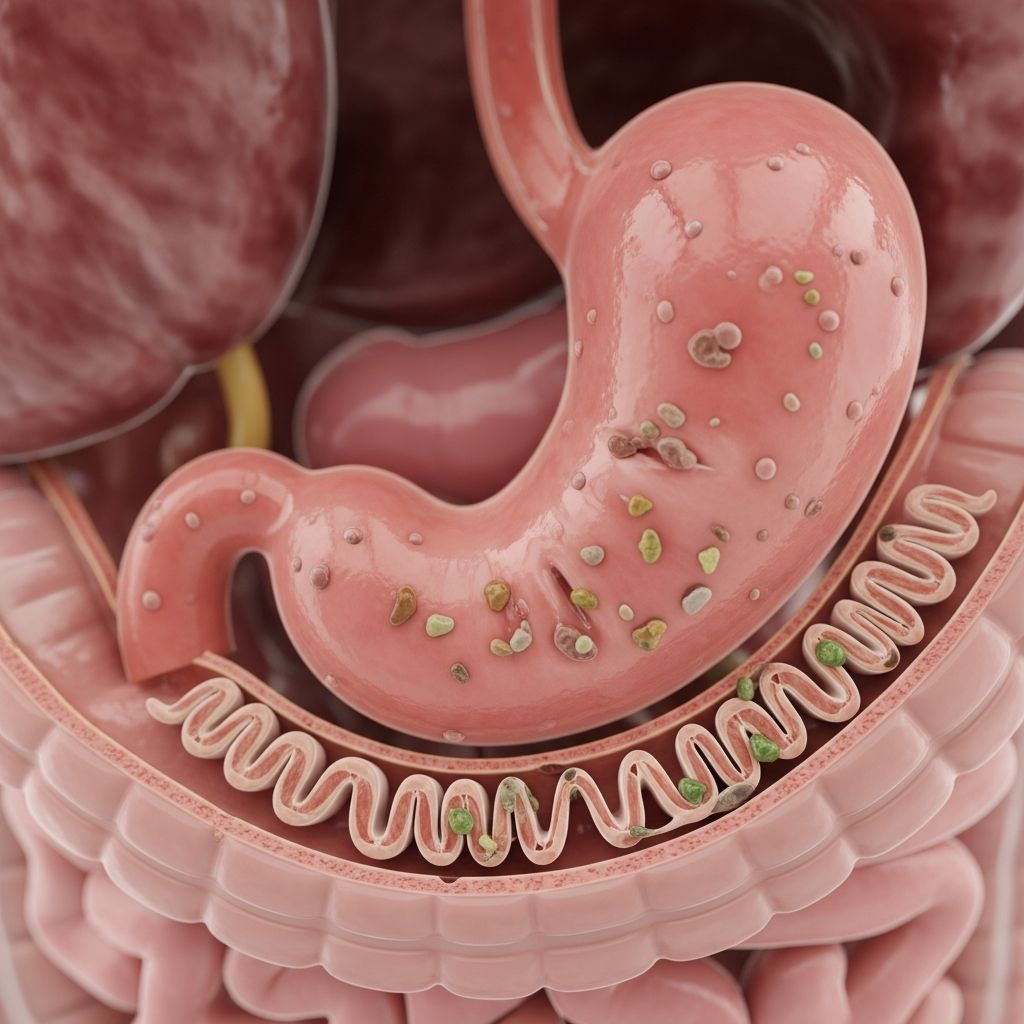
Feeling the urgent need to poop shortly after a meal is a common experience for many people. This phenomenon is primarily driven by the
gastrocolic reflex
, a normal physiological response in your digestive system that prompts colon contractions to make room for incoming food. While typically harmless, an exaggerated response can feel disruptive and may point to underlying issues like irritable bowel syndrome (IBS).What Is the Gastrocolic Reflex?
The gastrocolic reflex is an involuntary reflex that connects stomach distension to colon motility. When food enters the stomach, it stretches the stomach walls, activating nerves that signal the colon to contract and propel waste forward. This coordinated action ensures efficient digestion by clearing space for new nutrients.
This reflex is part of the broader enteric nervous system, often called the ‘second brain,’ which regulates gut activity independently of the central nervous system. Hormones like gastrin and cholecystokinin also play roles, enhancing contractions especially after fatty or protein-rich meals.
How Does the Gastrocolic Reflex Work?
The process begins within minutes of eating. Stomach stretching triggers vagus nerve signals to the colon, initiating ‘mass movements’—powerful peristaltic waves that move fecal matter toward the rectum. These movements can start as quickly as 5-10 minutes post-meal in sensitive individuals, peaking within 15-30 minutes.
Key components include:
- Stomach distension: Primary trigger from food volume.
- Nerve signals: Via the enteric and vagus nerves.
- Hormonal release: Gastrin, CCK stimulate gut motility.
- Colon contractions: Propel contents for elimination.
In infants, this reflex is particularly strong, explaining frequent pooping after feeds. It weakens with age, becoming more modulated in adults.
Why Is My Gastrocolic Reflex So Strong?
An overactive gastrocolic reflex manifests as intense urgency or loose stools immediately after eating. Common triggers include:
- Meal composition: High-fat, high-calorie, spicy, or greasy foods amplify hormone release and contractions.
- Caffeine and alcohol: Stimulate gut motility directly.
- Food intolerances: Lactose, gluten, or FODMAPs can irritate the gut.
- Stress: Heightens nerve sensitivity via the gut-brain axis.
If persistent, it may indicate conditions like IBS, where exaggerated reflexes lead to diarrhea-predominant symptoms.
Associated Conditions
Several gastrointestinal disorders involve gastrocolic reflex dysregulation:
| Condition | Symptoms | Relation to Reflex |
|---|---|---|
| Irritable Bowel Syndrome (IBS) | Abdominal pain, diarrhea, bloating | Hyperactive reflex causing post-meal urgency |
| Functional Diarrhea | Frequent loose stools | Overstimulated colon contractions |
| Food Intolerances | Gas, cramping after specific foods | Triggers exaggerated response |
| Hyperthyroidism | Weight loss, rapid bowels | Increased motility overall |
Chronic issues warrant medical evaluation to rule out inflammatory bowel disease or infections.
When to See a Doctor
Occasional urgency is normal, but consult a healthcare provider if you experience:
- Persistent diarrhea or urgency lasting weeks.
- Blood in stool, unexplained weight loss, or severe pain.
- Symptoms disrupting daily life or accompanied by fever.
Related Stories



Providers may recommend stool tests, colonoscopy, or motility studies.
How to Manage an Overactive Gastrocolic Reflex
Lifestyle adjustments often suffice for mild cases:
- Diet tweaks: Smaller, frequent meals; avoid triggers like caffeine, dairy, spice.
- Fiber balance: Soluble fiber (oats, psyllium) slows transit; limit insoluble if aggravating.
- Hydration: 8-10 glasses water daily to regulate stools.
- Stress reduction: Mindfulness, yoga calm the gut-brain axis.
- Medications: Antispasmodics (e.g., hyoscyamine), loperamide for diarrhea, under medical guidance.
Tracking symptoms in a food diary helps identify patterns.
Frequently Asked Questions (FAQs)
Is it normal to poop right after every meal?
Yes, especially in children; in adults, it’s common but varies. Strong urges post-meal signal a robust gastrocolic reflex.
Does coffee make you poop faster?
Yes, caffeine stimulates colon contractions, potentiating the gastrocolic reflex.
Can IBS cause immediate pooping after eating?
Absolutely; IBS often features an exaggerated gastrocolic reflex leading to diarrhea-predominant episodes.
How long does the gastrocolic reflex last?
Typically minutes to hours; peak activity 15-60 minutes post-meal.
Can diet alone fix an overactive reflex?
Often yes for mild cases; persistent symptoms need professional assessment.
This article expands on the gastrocolic reflex’s mechanics, drawing from clinical insights to empower better digestive health management. (Word count: 1678)
References
- Gastrocolic Reflex: Why You Need To Poop After Eating — Cleveland Clinic. 2023 (accessed 2026). https://my.clevelandclinic.org/health/body/gastrocolic-reflex
- Gastrocolic Reflex — Mayo Clinic. 2024-05-15. https://www.mayoclinic.org/diseases-conditions/irritable-bowel-syndrome/symptoms-causes/syc-20360016
- Gastrocolic Reflex and IBS — American College of Gastroenterology. 2025-02-10. https://gi.org/topics/irritable-bowel-syndrome/
- Enteric Nervous System and Reflexes — National Institute of Diabetes and Digestive and Kidney Diseases (NIDDK). 2024. https://www.niddk.nih.gov/health-information/digestive-diseases
- Management of IBS Symptoms — World Gastroenterology Organisation. 2023-11-01. https://www.worldgastroenterology.org/guidelines/
Similar Articles








Read full bio of Sneha Tete