Why Do I Pee So Much At Night? 6 Causes And Relief Tips
Understanding nocturia: causes, treatments, and lifestyle changes to improve your sleep.
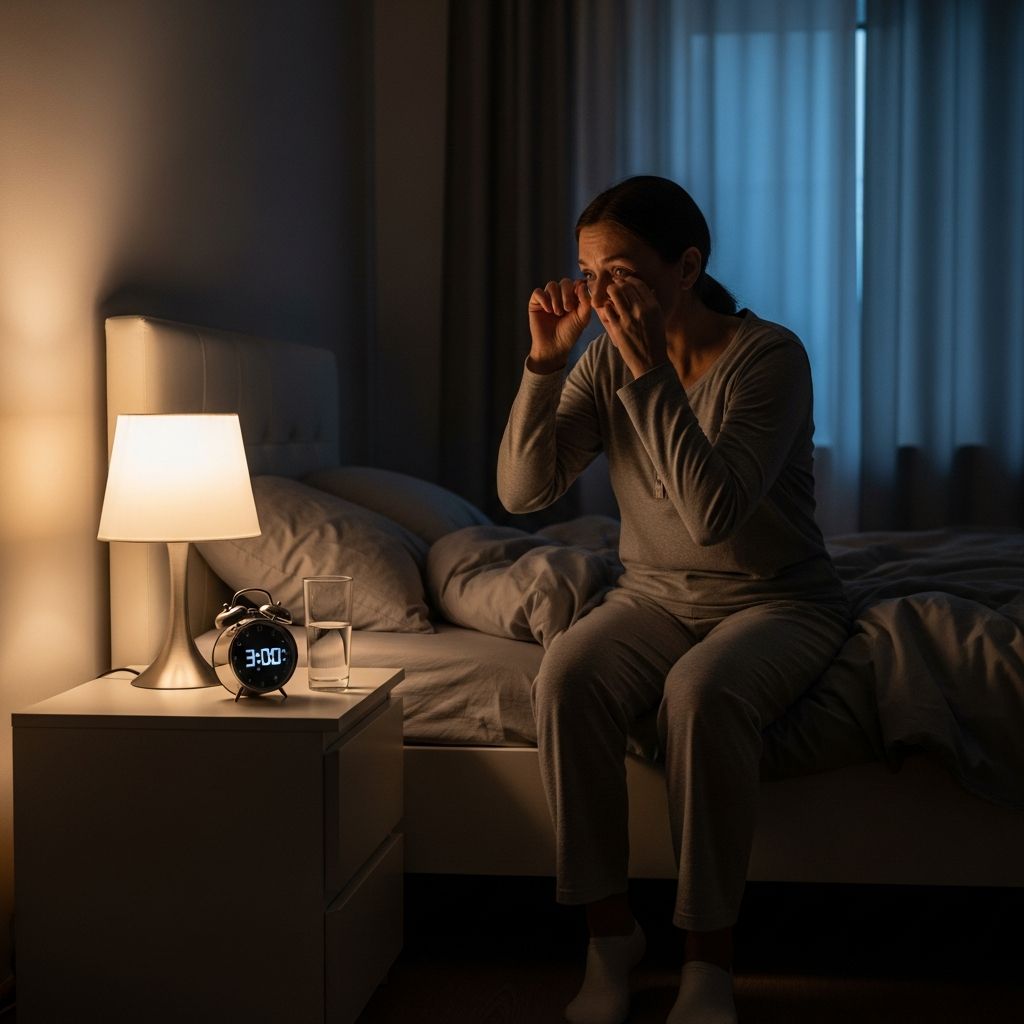
Waking up multiple times during the night to urinate can significantly disrupt your sleep quality and affect your overall health and well-being. This common condition, known as nocturia, affects millions of people across all age groups, though it becomes increasingly prevalent with age. If you find yourself making frequent trips to the bathroom at night and wondering what’s causing this disruptive pattern, you’re not alone. Understanding the underlying reasons for nighttime urination is the first step toward finding relief and improving your sleep quality.
What is Nocturia?
Nocturia, also referred to as nocturnal polyuria, is the medical term for excessive urination during nighttime hours. While it is technically possible to consider any nighttime bathroom trip as nocturia, healthcare professionals generally define the condition more specifically. According to urological experts, what’s considered normal is urinating about one time per night. However, if you find yourself waking two or more times per night to urinate, or if this pattern is disrupting your sleep and affecting your daytime functioning, it warrants further investigation.
During normal sleep, your body undergoes significant physiological changes that reduce urine production. Your body naturally produces less urine during sleep, and this urine is more concentrated, allowing most people to sleep uninterrupted for 6 to 8 hours without needing bathroom breaks. When this natural process is disrupted and you find yourself waking repeatedly to urinate, it can indicate an underlying issue that deserves attention.
According to research, nocturia affects approximately 50 million Americans, including 1 in 3 adults over the age of 30 and about 24% of people over 65. This widespread prevalence highlights that while the condition is common, understanding its causes and management strategies is crucial for improving quality of life.
Understanding the Mechanics of Nighttime Urination
Nocturia occurs when one of three primary mechanisms is disrupted in your urinary system:
- Your bladder is having difficulty holding urine properly
- Your body is producing more urine than usual during the day
- Your body is producing more urine specifically during nighttime hours
Understanding which mechanism is causing your nighttime urination is essential for determining the appropriate treatment approach. Some cases involve a combination of these factors, making proper medical evaluation valuable.
Common Causes of Nighttime Urination
Drinking Habits and Fluid Consumption
One of the most straightforward causes of nighttime urination is consuming too much fluid, particularly close to bedtime. Your drinking habits directly impact how often you need to urinate at night. When you consume excessive amounts of any beverage in the hours before sleep, your body must process and eliminate that fluid, often during your sleep cycle.
Alcohol and caffeinated beverages deserve special attention because they are diuretics. This means they actively increase your body’s urine production beyond what you would normally experience from water or non-caffeinated drinks. Consuming alcohol or caffeinated beverages in excess, particularly in the evening, can lead to frequent nighttime waking and the urgent need to urinate.
Experts recommend that if you’ve been experiencing bothersome nighttime urination, you should cut out all fluids two to four hours before bed and steer clear of alcohol in the evening. Additionally, urinating right before bed can help empty your bladder completely before sleep.
Bladder Irritation and Urinary Tract Infections
An irritated bladder or a urinary tract infection (UTI) can trigger the urgent and frequent need to urinate, both during the day and at night. Various irritants can trigger this response in your bladder, including spicy foods, alcohol, and certain other substances. The tricky part is that sometimes your bladder may signal that it’s full when it actually isn’t, creating a false urgency to urinate.
UTIs represent one of the most common medical causes of nocturia. When you have a urinary tract infection, you typically experience additional symptoms beyond nighttime urination, such as burning sensations during urination, abdominal pain, and possibly a fever. The good news is that UTIs can be effectively treated with antibiotics, and once the infection is cleared, the nighttime urination usually resolves.
Dietary Factors: Salt Intake
Your dietary choices can significantly impact your nighttime urination patterns. Research has shown that consuming excessive amounts of salty foods can contribute to nocturia. A 2019 study demonstrated that reducing salt intake could be an effective solution for relieving nocturia in individuals who identified this as a contributing factor.
The mechanism behind this is related to how your body regulates fluid balance. When you consume high amounts of sodium, your body retains more fluid to maintain proper electrolyte balance. This excess fluid must eventually be eliminated, often resulting in increased urination, including during nighttime hours.
Medical Conditions Associated with Nocturia
Several medical conditions can cause your body to produce excessive amounts of urine or compromise your bladder’s ability to function properly:
- Diabetes and Diabetes Insipidus: These conditions affect how your body processes and regulates fluid, leading to increased urine production
- Urinary Tract and Bladder Issues: Urinary tract infections, bladder infections, bladder prolapse, and overactive bladder (OAB) can all contribute to nocturia
- Prostate Problems: Infection or enlargement of the prostate gland can interfere with normal urination patterns
- Neurological Disorders: Conditions such as multiple sclerosis, Parkinson’s disease, and spinal cord compression can affect bladder control
- Organ Failure: Heart failure and liver failure are associated with nocturia due to how these conditions affect fluid management in the body
- Sleep Disorders: Obstructive sleep apnea and other sleep disorders can be connected to nighttime urination patterns
- Other Conditions: Anxiety, kidney infections, and edema (swelling of the lower legs) can also cause nocturia
If you have an underlying health condition causing your nocturia, treating that condition often resolves the nighttime urination problem. This underscores the importance of proper medical evaluation if your symptoms persist.
Medications That Increase Urination
Certain medications have the side effect of increasing urination by pulling fluid out of your system. If you’re taking medications and experiencing new or worsening nighttime urination, it’s worth discussing with your doctor. Sometimes, simply taking the medication earlier in the day can solve the problem, or your doctor may be able to adjust your prescription to one with fewer urinary side effects.
Sleep Disorders and Other Sleep-Related Factors
Interestingly, sometimes the issue isn’t actually the urge to urinate itself, but rather what happens once you wake up. If you have restless legs syndrome, hot flashes, chronic pain, or depression, these conditions may disturb your sleep. Once you’re awake, you naturally notice the need to urinate. Additionally, there’s a documented connection between obstructive sleep apnea and nighttime urination. In these cases, treating the underlying sleep disorder usually resolves the nighttime peeing problem as well.
When Should You See a Doctor?
While occasional nighttime trips to the bathroom are normal for most people, there are specific situations where medical evaluation is warranted. If you experience nocturia consistently more than once a night, or if it’s interfering with your ability to function the next day due to daytime fatigue, you should bring this up with a healthcare provider.
Getting up frequently at night to urinate can create problems during your waking hours, including lack of concentration and other health effects. Additionally, for older adults, nocturia increases the risk of falls and hip fractures, making it even more important to address.
To prepare for your doctor’s visit, keep a diary documenting what you drink, when you drink it, and how much you urinate. Your doctor will want to know about your sleep quality, whether you feel tired during the day, what medications you’re taking, and any other symptoms you’re experiencing.
Management and Treatment Strategies
Lifestyle Modifications
Many cases of nocturia can be effectively managed through lifestyle changes without requiring medication. Here are evidence-based strategies to reduce nighttime urination:
- Limit Fluid Intake: Reduce the amount of liquids you drink 4 to 6 hours before going to bed. Stop drinking fluids three hours before bedtime for optimal results
- Avoid Problematic Beverages: Eliminate alcohol and caffeinated beverages, especially in the evening
- Empty Your Bladder Before Sleep: Make sure to urinate right before bed to start the night with an empty bladder
- Reduce Salt Intake: If dietary sodium is a contributing factor, reducing your salt consumption can help relieve nocturia
- Manage Leg Swelling: If you experience edema in your lower legs, elevating your legs or using compression stockings can help prevent fluid from collecting in your legs, which would later need to be purged through urination
Medical Treatment Options
When lifestyle modifications alone aren’t sufficient, medical treatments are available. One medication option is desmopressin (brand name Nocdurna), which works by causing your kidneys to produce less urine at night. However, it’s important to note that nocturia can sometimes be a symptom of a more serious condition, such as diabetes or a UTI, that could worsen if left untreated.
Impact on Quality of Life
Nocturia extends beyond being merely inconvenient. Because it disrupts your sleep cycle, it can lead to sleep deprivation, daytime fatigue, drowsiness, and mood changes. The cumulative effect of repeated nighttime sleep interruptions can significantly impact your overall health, cognitive function, and quality of life.
Key Takeaways
Understanding why you pee so much at night is the first step toward addressing this disruptive condition. Whether your nocturia is caused by drinking habits, dietary factors, an underlying medical condition, or medications, there are effective strategies and treatments available. The importance of proper medical evaluation cannot be overstated, particularly if your nighttime urination is persistent and affecting your sleep quality and daytime function.
Frequently Asked Questions
Q: Is it normal to wake up once a night to urinate?
A: According to urological experts, waking up about once per night to urinate is generally considered normal. However, if it’s happening consistently more than once a night or interfering with your daytime function, it may warrant medical evaluation.
Q: Can nocturia be cured?
A: Nocturia due to an underlying condition, such as a UTI or diabetes, will usually stop when the condition is successfully treated. Many cases caused by lifestyle factors can be resolved through behavioral modifications and dietary changes.
Q: What’s the connection between sleep apnea and nighttime urination?
A: There’s a documented connection between obstructive sleep apnea and nocturia. Treating the sleep apnea typically resolves the nighttime peeing problem as well.
Q: How can I differentiate between normal nighttime urination and nocturia?
A: While occasional nighttime urination is normal, nocturia becomes a concern when you wake two or more times per night, or when it significantly disrupts your sleep and affects your daytime functioning.
Q: Can reducing salt intake really help with nighttime urination?
A: Yes, research has shown that patients who successfully reduced their sodium intake experienced more significant reductions in nocturia than those who did not make dietary changes.
Q: Should I limit all fluids before bed, or just certain types?
A: You should limit all types of fluids—not just water—several hours before bed. However, alcohol and caffeinated beverages are particularly problematic because they’re diuretics and actively increase urine production.
Q: Is nocturia more common in older adults?
A: Yes, while nocturia can occur at any age, it’s more common among older adults. About 1 in 3 adults over age 30 and 24% of people over 65 experience nocturia. Additionally, older adults face increased risk of falls and fractures due to nighttime bathroom trips.
References
- 8 Reasons You Wake Up at Night to Pee — Men’s Health. 2019. https://www.menshealth.com/health/a19544246/waking-up-at-night-to-pee/
- Nocturia (Frequent Urination at Night): Causes, Treatment, Prevention — Healthline. https://www.healthline.com/health/urination-excessive-at-night
- Why Do I Pee So Much At Night? — WebMD. https://www.webmd.com/urinary-incontinence-oab/nocturia-pee-night
- The chicken‐or‐egg dilemma with nocturia — National Institutes of Health. https://pmc.ncbi.nlm.nih.gov/articles/PMC7192000/
- Frequent urination: Causes, symptoms, and when to see a doctor — Medical News Today. https://www.medicalnewstoday.com/articles/70782
Similar Articles








Read full bio of medha deb