Why Do I Smell Certain Odors That Aren’t Real?
Understanding phantosmia: causes, symptoms, and when to seek medical help for phantom smells.
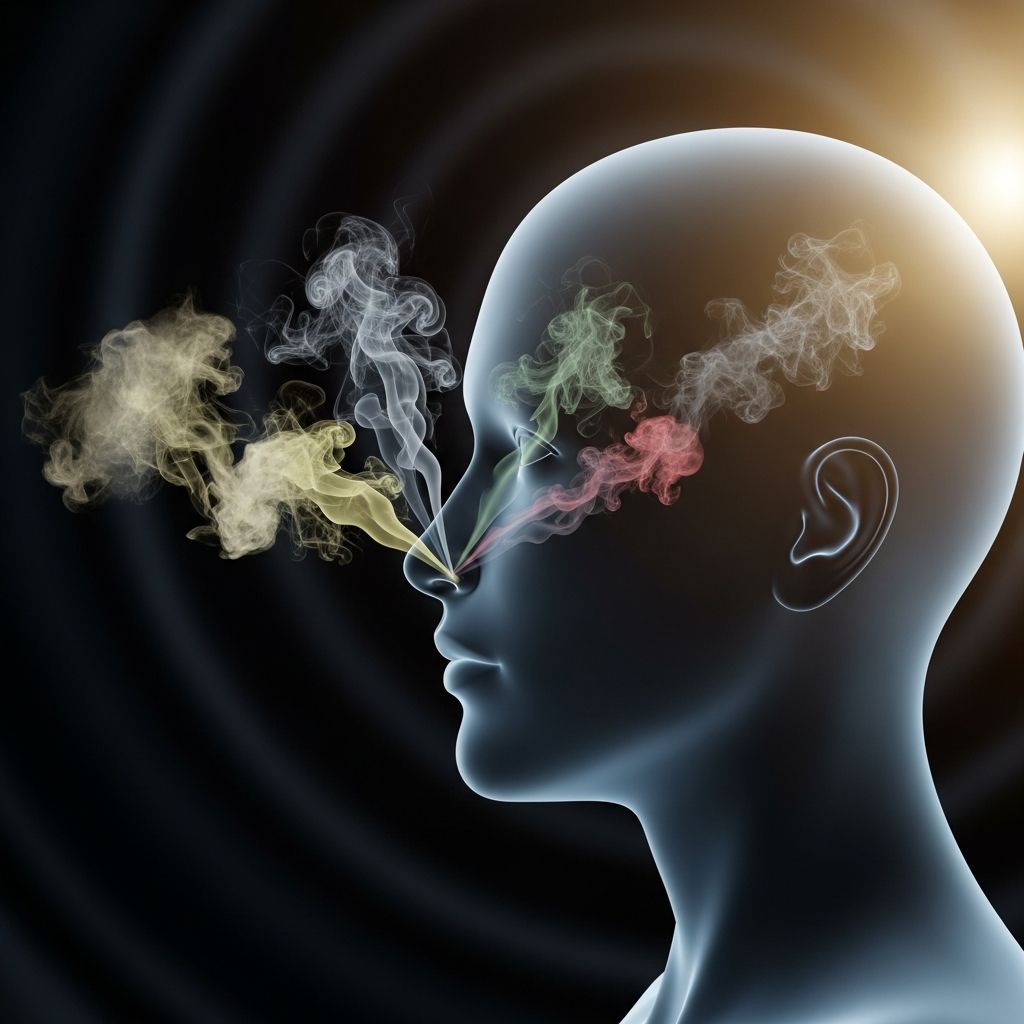
Experiencing odors when no actual source exists can be confusing and concerning. This phenomenon, known as phantosmia or phantom smell, affects a significant portion of the population. If you’ve noticed persistent unpleasant smells that others around you cannot detect, you’re not alone. Understanding what causes these phantom odors and when they might signal a more serious health issue is important for your well-being and quality of life.
What is Phantosmia?
Phantosmia, commonly referred to as phantom odors or olfactory hallucinations, occurs when you perceive an odor that has no environmental source. Unlike anosmia (the inability to smell), phantom odors represent the brain’s misinterpretation of sensory signals. These imaginary smells are often unpleasant and can include burnt, smoky, foul, rotten, or spoiled odors. The experience can be distressing because it creates a false perception of danger or contamination in your environment.
Research indicates that phantom smells are more common than many people realize. Studies show that approximately one in fifteen people, or about 6.5 percent of the population, experience phantom odors at some point in their lives. The overall prevalence of phantosmia is reported at 4.9 percent in population-based studies, making it a condition that deserves greater medical and public awareness.
Most Common Phantom Smells Reported
While phantom odors vary from person to person, certain smells are reported more frequently than others. The most commonly experienced phantom smell is described as smoky or burnt. This finding aligns with research on olfactory experiences during dreams, where approximately 21 percent of people report smoky or burnt odors. Other frequently reported phantom smells include:
- Burnt or smoky odors
- Foul or unpleasant smells
- Rotten or spoiled odors
- Metallic smells
- Musty or moldy odors
- Infected tissue odors
Interestingly, some individuals report phantom smells with an autobiographical connotation, meaning the odors are connected to personal memories or past experiences. This connection suggests that the brain may be retrieving sensory memories rather than detecting actual environmental stimuli.
Who Is Most at Risk?
Phantom odors don’t affect everyone equally. Research has identified several demographic and health-related factors that increase the likelihood of experiencing phantosmia. Understanding these risk factors can help you determine whether your experiences warrant medical evaluation.
Gender and Age
One of the most striking findings in recent research is that women report phantom odors approximately twice as often as men, particularly those under age 60. This gender difference suggests hormonal or neurological factors may play a role in the development of phantosmia. The prevalence is associated with female gender and certain genetic factors, including carrying the met allele of the BDNF (brain-derived neurotrophic factor) gene.
Nasal and Sinus Issues
Chronic nasal inflammation, deviated nasal septum, and nasal polyps are significant contributors to phantom odor development. Even temporary conditions like a bad cold can affect your sense of smell and potentially trigger phantom odors. These nasal structural problems can disrupt normal olfactory signaling, leading to misinterpretation of sensory information by the brain.
Related Stories



Socioeconomic Status
A surprising finding in research is that socioeconomic status appears to influence the occurrence of phantom odors. People with lower socioeconomic status report phantom smells more frequently. Researchers hypothesize that this may be due to greater exposure to environmental pollutants and toxins, increased prevalence of untreated health conditions, or side effects from medications used to treat chronic diseases.
Vascular Risk Factors
Research has established a connection between higher vascular risk burden and the development of phantom odors. Conditions that affect blood vessel health and circulation may contribute to olfactory dysfunction and phantom smell experiences.
How Phantom Odors Happen
The exact mechanisms behind phantom smells remain partially mysterious, though scientific research has identified several plausible explanations. The condition likely involves disruptions in both the peripheral and central olfactory systems.
Central Nervous System Involvement
One theory suggests that phantom odors may result from a malfunction in the part of the brain responsible for processing and interpreting odor signals. The olfactory bulb and associated brain regions normally integrate sensory information to create our perception of smell. When these neural pathways malfunction, they may generate false olfactory sensations without any external stimulus. Early research shows that indiscriminate activation of many receptor pathways simultaneously can produce unpleasant or phantom smells.
Peripheral Olfactory System Issues
The condition could also be related to overactive odor sensing cells in the nasal cavity. These olfactory receptor cells normally detect chemical molecules in the air and send signals to the brain. If these cells become hyperactive or damaged, they may send erroneous signals that the brain interprets as phantom smells. Interestingly, some patient studies have reported successfully resolving phantosmia through excision of the olfactory epithelium, suggesting that peripheral olfactory system involvement is possible.
Combined Central and Peripheral Disruption
Most likely, phantosmia results from disruptions in the functional interactions between central and peripheral olfactory circuits. Rather than being solely a brain problem or solely a nasal problem, phantom odors may develop when communication breaks down between these two systems.
Related Conditions: Parosmia and Beyond
Phantosmia often occurs alongside other olfactory disorders, particularly parosmia. Parosmia is a condition where known odors are perceived as qualitatively different from their normal smell. For example, fresh fruit might smell rotten, or familiar foods may smell unpleasant. Research shows a strong association between phantosmia and parosmia, suggesting these conditions share common underlying mechanisms.
Interestingly, olfactory dysfunction itself is not directly related to phantosmia. People with reduced sense of smell may remain completely unaware of their deficit, while those experiencing qualitative distortions like phantosmia are repeatedly reminded of the problem. This makes phantom odors potentially more psychologically disturbing than simple loss of smell function.
Why Phantom Odors Shouldn’t Be Ignored
While phantom smells might seem like a minor inconvenience, they deserve serious medical attention for several important reasons:
Impact on Quality of Life
Persistent phantom odors can significantly decrease quality of life. The constant presence of unpleasant smells can affect mood, eating habits, and social interactions. Many people with phantosmia report difficulty concentrating and increased anxiety.
Practical Safety Concerns
Problems with smell perception can interfere with your ability to detect genuine danger signals. Your sense of smell normally alerts you to fire, gas leaks, and spoiled food. When phantom odors are present, they can mask these important warning signals or create false alarms that cause you to disregard real dangers.
Professional Implications
For people working in industries that depend on smell, such as food service, perfumery, or quality control, phantom odors can have serious professional consequences. These workers may be unable to perform their jobs effectively if they cannot reliably distinguish between real and phantom smells.
Early Indicator of Serious Conditions
Recent research suggests that phantom odors can be an early marker of severe neurological conditions. This finding highlights the importance of seeking early medical intervention and diagnosis. Some studies indicate that certain olfactory changes may precede the development of more significant neurological problems.
Underdiagnosis and Treatment Gaps
Despite the prevalence and importance of phantom odors, they remain significantly underdiagnosed. Research shows that only 11 percent of people who experience phantom odors have discussed a taste or smell problem with a doctor. Many individuals either don’t recognize the significance of their symptoms or feel embarrassed to mention them to healthcare providers.
Healthcare providers themselves often overlook smell problems when taking patient histories, even though these issues can have substantial impacts on health and quality of life. Increased awareness and education among both patients and medical professionals could lead to more accurate diagnoses and effective treatments.
When to See a Doctor
You should consult a healthcare provider if you experience:
- Persistent phantom odors lasting several hours or days
- Phantom smells occurring frequently over recent weeks
- Accompanying neurological symptoms such as headaches or memory problems
- Recent changes in smell perception or new phantom odors
- Distorted smell sensations (parosmia) alongside phantosmia
- Symptoms affecting your ability to work or function in daily life
Your doctor can perform appropriate evaluations to determine whether your phantom odors result from nasal issues, medications, neurological conditions, or other health factors. Early diagnosis and intervention may prevent progression and improve outcomes.
Frequently Asked Questions
Q: Are phantom odors dangerous?
A: While phantom odors themselves aren’t inherently dangerous, they can mask genuine warning smells like gas leaks or smoke, creating safety risks. Additionally, phantom odors may indicate underlying neurological conditions that require medical attention.
Q: Can medication cause phantom odors?
A: Yes, certain medications can contribute to phantom odors. People taking medications to manage other health conditions may experience phantom smells as a side effect, particularly those with lower socioeconomic status who may have multiple concurrent conditions and medications.
Q: How long do phantom odors typically last?
A: Phantom odors vary significantly in duration. They can last from fleeting moments to several minutes, hours, or persist throughout the day. The frequency and duration of episodes are important factors to discuss with your healthcare provider.
Q: Is phantosmia related to olfactory loss?
A: Interestingly, research shows that olfactory dysfunction is not directly related to phantosmia. These are separate conditions, though they may occasionally occur together. Olfactory loss means reduced ability to smell, while phantosmia means smelling things that aren’t there.
Q: Can cold or sinus infection cause phantom smells?
A: Yes, chronic nasal inflammation, deviated nasal septum, nasal polyps, and even temporary conditions like a bad cold can trigger or contribute to phantom odors. These conditions disrupt normal olfactory signaling and may lead to phantom smell perception.
Q: Are women more likely to experience phantom odors?
A: Research consistently shows that women report phantom odors approximately twice as often as men, particularly those under age 60. This gender difference suggests hormonal or genetic factors may increase susceptibility in women.
References
- Phantom Smells: Prevalence and Correlates in a Population-Based Sample — National Institutes of Health, National Center for Biotechnology Information. 2018. https://pmc.ncbi.nlm.nih.gov/articles/PMC5863552/
- Smelling things that aren’t there could be a sign of potential problems — ABC News. 2018-06-07. https://abcnews.go.com/Health/smelling-things-sign-study/story?id=57216887
- National Institute on Deafness and Other Communication Disorders (NIDCD) Research — National Institutes of Health. https://www.nidcd.nih.gov/
- A Smell Test for Science — Harvard Gazette. 2025-09. https://news.harvard.edu/gazette/story/2025/09/a-smell-test-for-science/
- The Mystery of Smell — Harvard Magazine. 2021-10. https://www.harvardmagazine.com/2021/10/feature-mystery-of-smell
Similar Articles








Read full bio of medha deb