Why Do I Sweat So Much? Causes, Diagnosis, And Care
Excessive sweating can signal hyperhidrosis or other issues. Learn causes, treatments, and when to see a doctor for relief.
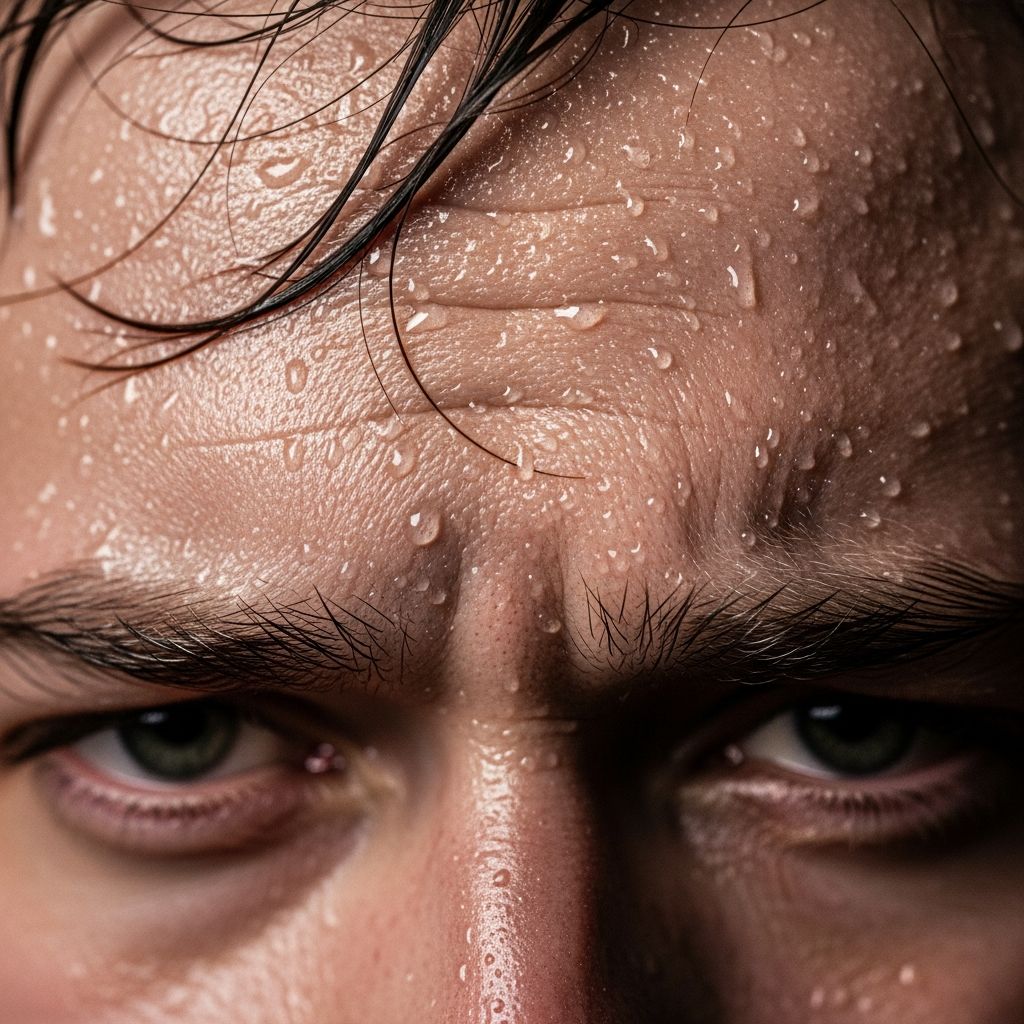
Sweating is the body’s natural way to regulate temperature, but for some people, it happens excessively and unpredictably. This condition, known as hyperhidrosis, affects millions and can interfere with daily life, causing embarrassment, discomfort, and even social withdrawal. Whether it’s clammy palms during a handshake, soaked underarms at work, or dripping feet in shoes, excessive sweating goes beyond normal perspiration triggered by heat or exercise.
Understanding why you sweat so much starts with recognizing the difference between typical sweating and hyperhidrosis. Normal sweating occurs when the hypothalamus in the brain detects a rise in body temperature, signaling over 2-4 million sweat glands to produce moisture that evaporates to cool you down. Hyperhidrosis, however, involves overactive sweat glands producing far more sweat than needed for thermoregulation, often without an obvious trigger.
According to the International Hyperhidrosis Society, hyperhidrosis impacts about 3% of the population, or roughly 15.3 million Americans. It can be primary (no underlying cause) or secondary (linked to another medical issue). This article explores the causes, symptoms, diagnosis, treatments, and prevention strategies to help you manage excessive sweating effectively.
What Is Hyperhidrosis?
Hyperhidrosis is a medical condition characterized by abnormally increased perspiration beyond what’s physiologically necessary. It’s not just ‘being a sweaty person’—it’s a dysfunction in the sympathetic nervous system that controls sweat glands. There are two main types:
- Primary focal hyperhidrosis: The most common form, affecting specific areas like palms, soles, underarms, or face. It typically starts in childhood or adolescence and has a genetic component, with 35-55% of cases running in families.
- Secondary generalized hyperhidrosis: Caused by an underlying condition or medication, leading to widespread sweating, often at night or across the body.
Symptoms include visible sweat that soaks through clothes, skin that’s consistently wet or peeling, and frequent infections like athlete’s foot due to trapped moisture. The starch-iodine test is a common diagnostic tool: iodine is applied to the skin, followed by starch powder; dark purple areas indicate excessive sweat production.
Primary Hyperhidrosis
Primary hyperhidrosis occurs without an identifiable medical cause. It’s thought to stem from overactive nerves that stimulate eccrine sweat glands—the clear, watery glands responsible for thermoregulation, concentrated on palms, soles, and underarms. These differ from apocrine glands (in armpits and groin) that produce thicker sweat mixed with bacteria, causing odor.
Triggers are often emotional rather than physical: stress, anxiety, or even excitement can set off episodes. Unlike normal sweating, which stops when you’re cool, primary hyperhidrosis persists. Affected areas include:
- Palmar (hands): Interferes with gripping objects or handshakes.
- Plantar (feet): Leads to slippery shoes and blisters.
- Axillary (underarms): Causes pit stains and odor.
- Facial or craniofacial: Dripping sweat from forehead or scalp.
Related Stories



Genetics play a key role; if a close relative sweats excessively, your risk increases. A 2023 study in the Journal of the American Academy of Dermatology found that primary hyperhidrosis often improves with age but rarely resolves completely without intervention.
Secondary Hyperhidrosis
Secondary hyperhidrosis results from an underlying health issue or external factor. Sweating is generalized, can occur during sleep, and usually starts later in life. Common causes include:
| Category | Examples |
|---|---|
| Medical Conditions | Hyperthyroidism, diabetes (especially hypoglycemia), menopause, obesity, infections (tuberculosis), neurological disorders (Parkinson’s), cancers (lymphoma) |
| Medications | Antidepressants (SSRIs), pain relievers (opioids), blood pressure drugs, insulin |
| Lifestyle Factors | Spicy foods, caffeine, alcohol, hot beverages, high ambient temperatures |
For instance, menopausal hot flashes cause sudden, drenching sweats due to hormonal fluctuations. Diabetic hypoglycemia triggers adrenaline release, prompting sweat as a warning signal. If sweating is new, nocturnal, or accompanied by weight loss, fever, or chest pain, seek medical evaluation promptly—it could indicate serious issues like heart disease or malignancy.
Other Causes of Excessive Sweating
Beyond hyperhidrosis, several factors mimic or exacerbate sweating:
- Fitness level: Fit individuals may sweat more efficiently and sooner because their bodies are primed for cooling.
- Clothing and environment: Synthetic fabrics trap heat; humid climates hinder evaporation.
- Diet: Capsaicin in spicy foods activates sweat glands via the nervous system.
- Pregnancy: Increased blood volume and metabolism boost sweat production.
- Anxiety disorders: The fight-or-flight response floods the body with sweat-inducing hormones.
Understanding these helps differentiate benign causes from treatable conditions.
When to See a Doctor for Excessive Sweating
Not all sweating warrants a doctor’s visit, but consult one if:
- Sweat disrupts daily activities (e.g., can’t hold a pen or drive safely).
- It occurs suddenly in adulthood or at night.
- Accompanied by symptoms like fatigue, palpitations, or unexplained weight changes.
- Over-the-counter remedies fail after consistent use.
Dermatologists or primary care physicians diagnose via medical history, physical exam, and tests like blood work for thyroid function or glucose levels. The Hyperhidrosis Disease Severity Scale (HDSS) quantifies impact on a 1-4 scale.
How to Diagnate Hyperhidrosis
Diagnosis involves:
- History and exam: Assessing sweat patterns, family history, and triggers.
- Starch-iodine test: Confirms focal sweating.
- Gravimetric testing: Measures sweat volume over time.
- Thermoregulatory sweat test: Uses indicator powder to map sweat distribution.
- Lab tests: Rule out secondary causes (thyroid panel, blood sugar).
Early diagnosis opens doors to effective management.
Treatments for Excessive Sweating
Treatment escalates from conservative to invasive based on severity:
At-Home and Over-the-Counter Remedies
- Clinical-strength antiperspirants with 20% aluminum chloride (e.g., Certain Dri)—apply at night to dry skin.
- Absorbent powders, moisture-wicking socks/shirts.
- Lifestyle tweaks: Loose cotton clothes, breathable shoes, avoiding triggers.
Prescription Treatments
- Topical glycopyrrolate wipes for hands/feet.
- Oral anticholinergics like glycopyrrolate to block sweat signals (side effects: dry mouth).
- Iontophoresis: Low-current device in water ‘shuts off’ sweat glands (20-min sessions, 3x/week).
Advanced Procedures
- Botox injections: Blocks acetylcholine release; lasts 4-12 months, FDA-approved for underarms.
- MiraDry: Microwave energy destroys underarm glands permanently (2 sessions).
- Endoscopic thoracic sympathectomy (ETS): Surgery cuts nerves for palmar/axillary sweating (risks: compensatory sweating elsewhere).
A 2024 review by the American Academy of Dermatology notes Botox and MiraDry offer high satisfaction rates (80-90%).
Lifestyle Changes and Home Remedies
Complement treatments with:
- Cool showers, sage tea (natural astringent), acupuncture.
- Stress management: Biofeedback, meditation.
- Diet: Reduce caffeine/spicy foods; stay hydrated.
These enhance efficacy and reduce reliance on meds.
Complications of Untreated Hyperhidrosis
Chronic excessive sweating risks skin maceration, fungal infections, nail changes, and psychosocial effects like anxiety, depression, and avoidance of social/professional opportunities. Studies show 50% of sufferers experience emotional distress.
Frequently Asked Questions (FAQs)
Is hyperhidrosis curable?
No cure exists, but treatments provide long-term control. Some see spontaneous improvement post-menopause or with age.
Does Botox hurt for sweating?
Mild discomfort like pinpricks; numbing cream helps. Effects start in 2-4 days.
Can diet cause excessive sweating?
Yes, spicy foods, alcohol, and caffeine stimulate sweat glands. Track and eliminate triggers.
Is sweating a sign of heart problems?
Night sweats or with chest pain can signal heart issues—see a doctor immediately.
How much does MiraDry cost?
$2,000-$4,000 for two sessions, often not covered by insurance.
References
- Hyperhidrosis: Management Options — American Academy of Dermatology. 2024-06-15. https://www.aad.org/public/diseases/a-z/hyperhidrosis-treatment
- Primary Hyperhidrosis: Epidemiology and Genetic Basis — International Hyperhidrosis Society. 2023-11-02. https://www.sweathelp.org/about-hyperhidrosis/epidemiology-genetics.html
- Secondary Hyperhidrosis Etiologies — National Institutes of Health (PubMed). 2022-09-20. https://pubmed.ncbi.nlm.nih.gov/36165789/
- Guidelines on Botulinum Toxin for Hyperhidrosis — Journal of the American Academy of Dermatology. 2024-01-10. https://www.jaad.org/article/S0190-9622(23)03245-6/fulltext
- Thermoregulatory Disorders and Sweating — Mayo Clinic Proceedings. 2023-05-12. https://www.mayoclinicproceedings.org/article/S0025-6196(23)00123-4/fulltext
Similar Articles








Read full bio of medha deb