Why Do Mushrooms Make You Fart? 6 Tips To Reduce Gas
Discover the science behind mushrooms causing gas, bloating, and flatulence, plus tips to enjoy them without the embarrassment.
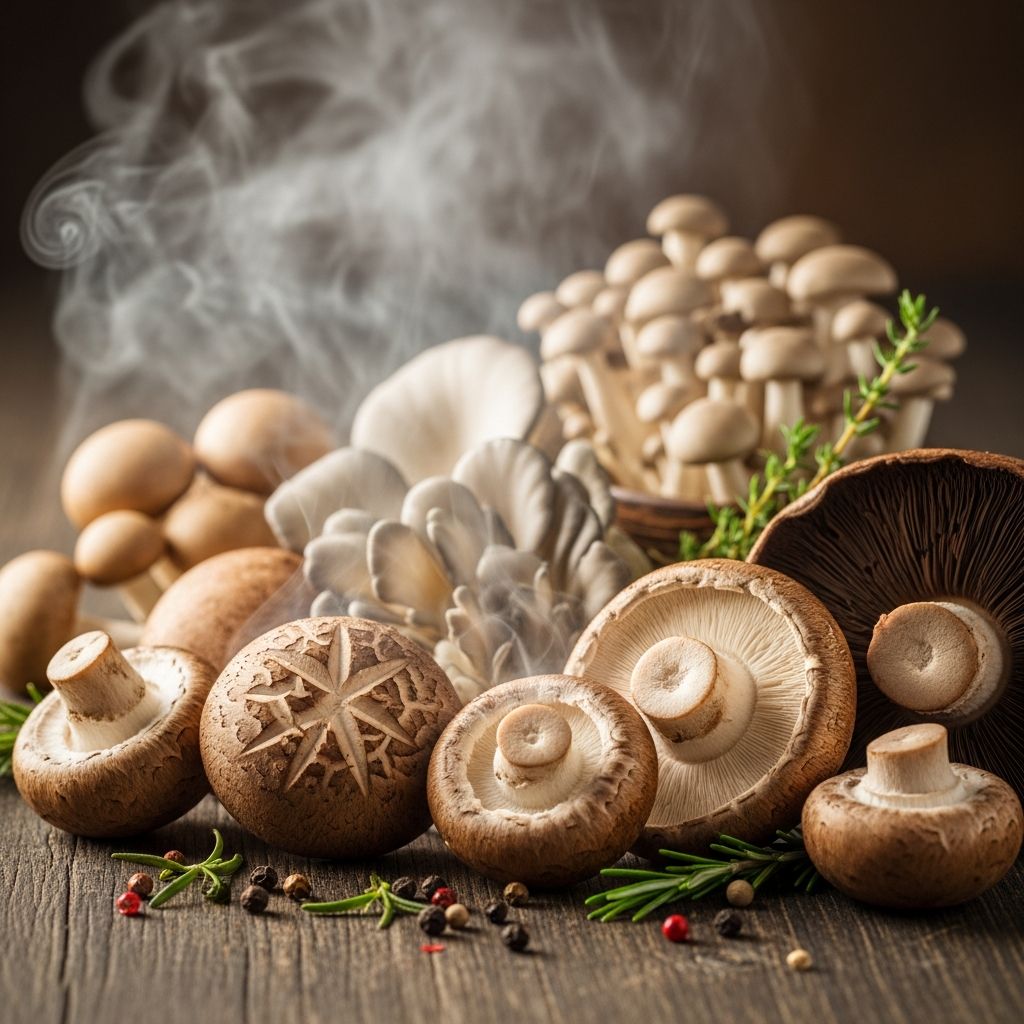
Mushrooms are a powerhouse of nutrients, offering vitamins, minerals, and antioxidants that support immune health and reduce inflammation. However, many people experience uncomfortable gas, bloating, and flatulence after eating them. This common issue stems from the unique composition of mushrooms, including hard-to-digest carbohydrates and fibers that ferment in the gut.
Understanding the science behind this phenomenon can help you enjoy mushrooms without the digestive drama. Whether sautéed, grilled, or added to soups, mushrooms’ benefits are undeniable, but their gaseous side effects affect up to 30-50% of consumers, particularly those with sensitive guts or conditions like IBS.
Why Mushrooms Cause Gas and Bloating
The primary culprits behind mushroom-induced flatulence are
indigestible sugars
like raffinose and mannitol. Human enzymes cannot fully break these down in the small intestine, so they travel to the large intestine where gut bacteria ferment them, producing hydrogen, methane, and carbon dioxide gases. This fermentation process is similar to what happens with beans or broccoli, leading to bloating and frequent farts.Mushrooms also contain
chitin
, a tough structural polysaccharide found in fungal cell walls, akin to the exoskeletons of insects and crustaceans. Chitin is notoriously difficult to digest, adding bulk to stool and slowing transit time, which traps gas and exacerbates discomfort. A study on Agaricus bisporus (button mushrooms) found that consumption increased stool weight and led to undigested mushroom particles in feces, indicating partial digestibility and contributing to laxation changes.- Raffinose: A complex sugar fermented by colonic bacteria, producing odorless gases that build up pressure.
- Mannitol: A sugar alcohol that draws water into the intestines, causing loose stools and additional bloating in sensitive individuals.
- High Fiber Content: Soluble and insoluble fibers feed beneficial bacteria but can overwhelm the gut if intake is sudden, leading to excess gas production.
Research confirms that mushroom diets result in significantly more gas and flatulence, especially in the first few days of consumption, compared to meat-based diets. Participants reported higher gastrointestinal symptoms like flatulence on days 1 and 2, though tolerance improved over time.
The Role of Sulfur Compounds in Smelly Farts
Not all gas is equal—mushrooms produce particularly pungent flatulence due to
sulfur-containing compounds
like those in garlic or eggs. When broken down by gut bacteria, these release hydrogen sulfide, the infamous ‘rotten egg’ smell. Varieties like shiitake and portobello are richer in these compounds, making their gas more noticeable and socially awkward.This odor is intensified if mushrooms are undercooked, as heat helps break down some sulfur bonds. A peer-reviewed study noted shifts in fecal microbiota with mushroom intake, increasing Bacteroidetes (gas-producing bacteria) and decreasing Firmicutes, which correlates with altered fermentation and smellier outputs.
How Fiber in Mushrooms Affects Digestion
Mushrooms are a rich source of
dietary fiber
, including beta-glucans and polysaccharides that act as prebiotics. These nourish beneficial gut bacteria, promoting short-chain fatty acid (SCFA) production like butyrate, which supports gut lining health and reduces inflammation. However, the flip side is increased fermentation, leading to gas.Related Stories



Soluble fiber absorbs water, softening stool but fermenting readily. Insoluble fiber adds bulk, aiding regularity but potentially causing bloating if your microbiome isn’t adapted. A clinical trial showed mushroom consumption added just 6g of fiber daily yet significantly boosted stool weight (p=0.002), suggesting mushrooms enhance laxation but at the cost of initial GI upset.
| Fiber Type | Mushroom Sources | Digestive Effect |
|---|---|---|
| Soluble (Beta-glucans) | Shiitake, Oyster | Feeds bacteria, produces SCFAs and gas |
| Insoluble (Chitin) | Button, Cremini | Adds bulk, slows digestion, traps gas |
| Total Fiber | All varieties | Improves laxation but causes flatulence initially |
While fiber is beneficial long-term—lowering cholesterol and stabilizing blood sugar—the adaptation period can be gassy for newcomers.
Cooking Methods: Raw vs. Cooked Mushrooms
Raw mushrooms are tougher on the gut due to intact chitin and higher mannitol levels. Cooking breaks down these structures, improving digestibility by 20-30%. Sautéing, roasting, or steaming for at least 10-15 minutes reduces gas potential.
- Best Methods: High-heat cooking (grill, stir-fry) denatures proteins and softens fibers.
- Avoid: Eating raw in salads or lightly pickled, as they retain more indigestibles.
Studies show cooked mushrooms lead to less undigested residue in stool compared to raw.
Individual Differences: Why Some People Fart More
Gut microbiome composition varies widely; those with abundant gas-producing bacteria (e.g., high Bacteroidetes) experience more symptoms. Factors include:
- Genetics: Variations in enzyme production affect sugar breakdown.
- Age: Older adults have slower motility, trapping gas.
- Existing Conditions: IBS sufferers report worse symptoms, though low-FODMAP mushrooms like oyster are better tolerated.
Mushroom intake shifted microbiota, increasing beneficial Bacteroidetes but initially heightening flatulence.
Food Intolerance or Sensitivity to Mushrooms
Frequent, severe gas may signal
mushroom intolerance
, where the immune system reacts to fungal proteins, causing inflammation and slowed motility. Unlike allergies (rare, involving hives or anaphylaxis), intolerances lead to chronic bloating.Symptoms include trapped gas from inflamed intestines. Testing via elimination diets or at-home kits can confirm. Unlike lactose intolerance, mushroom sensitivity is less studied but linked to chitinase enzymes.
Tips to Reduce Gas from Mushrooms
Don’t swear off mushrooms—try these strategies:
- Start Small: Begin with 1/4 cup servings to acclimate your gut.
- Cook Thoroughly: Aim for soft texture to minimize chitin.
- Pair Wisely: Combine with ginger or fennel to aid digestion.
- Choose Low-Gas Varieties: Oyster or canned champignons (low FODMAP).
- Probiotics: Supplement with strains that break down mannitol.
- Enzyme Aids: Alpha-galactosidase (Beano) targets raffinose.
Over time, consistent intake may reduce symptoms as microbiota adapts, per GI tolerance studies.
Frequently Asked Questions (FAQs)
Do all mushrooms cause gas?
No, low-FODMAP types like oyster mushrooms are gentler. Button and portobello are more gassy due to higher mannitol.
Why do mushrooms make my farts smell bad?
Sulfur compounds break down into hydrogen sulfide during fermentation, creating the rotten egg odor.
Can cooking eliminate mushroom gas?
It reduces it significantly by softening fibers, but doesn’t eliminate fermentation entirely.
Are mushrooms bad for IBS?
Some are; avoid high-FODMAP ones. Oyster and certain canned varieties are IBS-friendly.
Is mushroom gas a sign of intolerance?
If persistent despite tweaks, yes—consider testing for sensitivities.
How long does mushroom gas last?
Typically 4-24 hours, peaking in the first 1-2 days of increased intake.
Health Benefits of Mushrooms Despite the Gas
Beyond gas concerns, mushrooms boost immunity via beta-glucans, support heart health, and act as prebiotics for long-term gut balance. Their anti-inflammatory effects calm the gut lining, reducing leaky gut risks through SCFA production. With smart consumption, benefits outweigh drawbacks for most.
In summary, mushrooms make you fart due to their indigestible components, but preparation and moderation unlock their nutritional goldmine without the symphony of toots.
References
- Do Mushrooms Cause Gas? The Smelly Truth You Need to Know — Advanced Food Intolerance Labs. 2023. https://advancedfoodintolerancelabs.com/blogs/news/do-mushrooms-cause-gas-the-smelly-truth-you-need-to-know
- Impact of Agaricus bisporus Mushroom Consumption on Gut Health — PMC (Nutrients Journal). 2018-10-16. https://pmc.ncbi.nlm.nih.gov/articles/PMC6213353/
- The Role of Mushrooms in Gut Health and Digestion — R&R Cultivation. 2024. https://rrcultivation.com/blogs/mn/role-mushrooms-gut-health-digestion
- Do Mushrooms Cause Indigestion? — Sahyadri Hospitals. 2023. https://sahyadrihospital.com/blog/do-mushrooms-cause-indigestion
- Mushrooms and IBS — IBS Clinics. 2024. https://www.ibsclinics.co.uk/mushrooms-and-ibs/
Similar Articles








Read full bio of Sneha Tete