Why Do Some People Get Depressed in Summer?
Explore summer depression, its unique symptoms, causes like heat and disrupted sleep, and effective coping strategies for seasonal affective disorder.

Seasonal affective disorder (SAD) is widely recognized as a winter condition, but a lesser-known form—summer depression or reverse SAD—affects about 10% of SAD sufferers during spring and summer months. This type of depression features distinct symptoms triggered by longer days, heat, and lifestyle shifts, impacting mood, sleep, and energy levels.
What is Summer Depression?
Summer depression, also called summer-pattern SAD or reverse SAD, is a subtype of seasonal affective disorder characterized by depressive episodes that onset in late spring or summer and remit in fall or winter. Unlike the more common winter SAD, which affects around 5% of the population with symptoms like oversleeping and weight gain, summer SAD involves opposite patterns such as insomnia and weight loss.
The National Institute of Mental Health (NIMH) defines SAD as a depression with a recurrent seasonal pattern lasting 4-5 months annually. For summer-onset cases, symptoms align with major depression but include seasonal specifics: persistent sadness, loss of interest in activities, fatigue, and irritability, often exacerbated by environmental factors.
Symptoms of Summer SAD
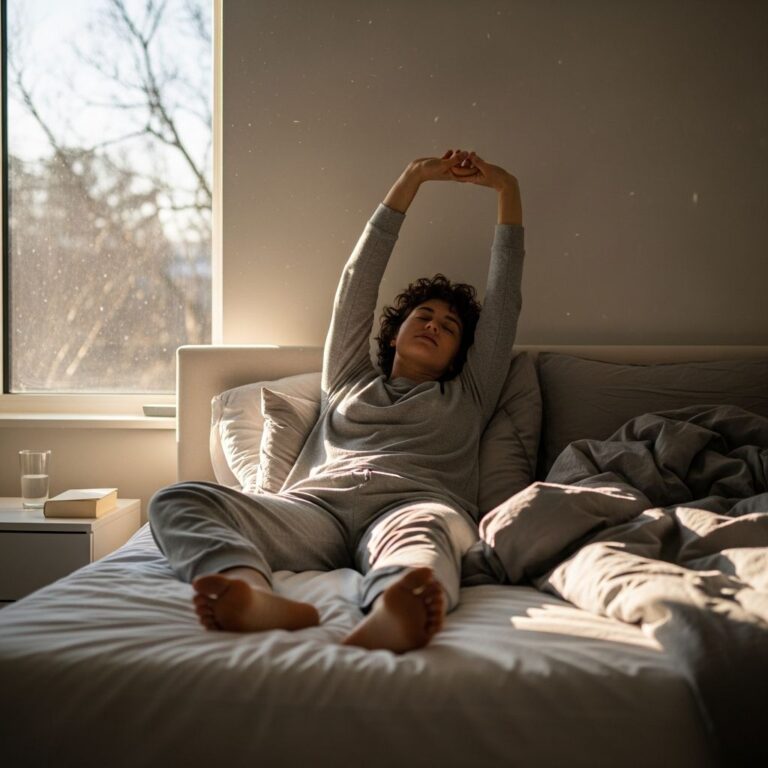
Summer SAD presents a ‘triad’ of symptoms leading to reduced quality of life: insomnia or poor sleep quality, poor appetite with weight loss, and restlessness or agitation. Additional signs include:
- Increased anxiety and irritability
- Violent or aggressive behavior in severe cases
- Daytime fatigue despite shorter sleep
- Hopelessness or suicidal thoughts in full depressive episodes
These differ from winter SAD’s hypersomnia, carbohydrate cravings, and weight gain. Psychiatrists note summer symptoms are more ‘activating,’ with heightened anxiety and insomnia.
How Common is Summer Depression?
Winter SAD impacts about 5% of people, but summer-pattern SAD is rarer, affecting roughly 10% of those with SAD—equating to a small subset of the general population. It’s understudied due to winter SAD’s prevalence, but cases rise with extreme heat events linked to climate change.
Individuals with bipolar disorder may experience manic peaks in summer, blending with depressive triggers. Schedule disruptions, like for teachers during summer breaks, amplify vulnerability.
Causes of Summer Depression
Several factors contribute to summer SAD, contrasting winter patterns:
- Disrupted Melatonin and Sleep: Prolonged daylight and shorter nights suppress melatonin, reducing sleep quality and triggering depression.
- Heat and Humidity: High temperatures correlate with increased mental health emergency visits; a 2022 study highlighted this amid rising climate-driven heatwaves.
- Lifestyle and Social Triggers: Schedule changes (e.g., school holidays), vacations causing stress, family conflicts, excessive alcohol at social events, and disrupted routines.
- Light Exposure: Extended daylight alters circadian rhythms, worsening anxiety in sensitive individuals.
Less research exists for summer SAD, as winter forms dominate studies, but emerging data ties it to environmental stressors.
Related Stories



Triggers for Summer SAD
Common precipitants include:
| Trigger | Description | Impact |
|---|---|---|
| Heat/Humidity | Prolonged high temperatures | Increased agitation, ER visits |
| Schedule Changes | Loss of structure (e.g., teachers’ summers) | Feelings of disorientation |
| Vacations | Financial stress, family tensions | Anxiety, disrupted sleep |
| Social Events | BBQs with alcohol | Worsened depression |
| Daylight | Longer days | Melatonin suppression |
Identifying personal triggers is key to management.
Treatment for Summer Depression
Treatments mirror general depression but adapt to summer symptoms:
- Psychotherapy: Cognitive behavioral therapy (CBT) addresses negative patterns; effective for SAD.
- Medication: Antidepressants for severe cases; consult specialists for bipolar risks.
- Vitamin D Supplementation: Despite ample sun, deficiencies may persist; test levels first.
- Lifestyle Interventions: Routine maintenance, exercise, and dawn simulation if needed, though less common in summer.
Light therapy, standard for winter SAD, is avoided in summer due to excess light.
Coping Strategies and Tips
Proactive steps can mitigate symptoms:
- Sleep Hygiene: Cool, dark rooms; fans, white noise; consistent schedule; avoid alcohol.
- Stay Cool: Air conditioning, hydration, sunscreen, hats.
- Maintain Routine: Fixed mealtimes, exercise, self-care.
- Digital Detox: Limit social media to reduce envy and anxiety.
- Monitor Triggers: Track heat, social demands; plan ahead.
- Self-Care: ‘Me time’ activities, healthy eating, journaling.
Consistency prevents escalation; embrace summer’s end as a rest period if needed.
When to Seek Help
Consult professionals if symptoms impair daily function, include suicidality, or persist. Resources include outpatient behavioral health programs or emergency departments for crisis evaluation. Early intervention improves outcomes.
Frequently Asked Questions (FAQs)
Q: Can SAD really happen in summer?
A: Yes, summer-pattern SAD or reverse SAD affects about 10% of SAD cases, with symptoms like insomnia and anxiety due to heat and light changes.
Q: How does summer SAD differ from winter SAD?
A: Summer features weight loss, insomnia, agitation; winter involves weight gain, oversleeping, lethargy.
Q: What triggers summer depression?
A: Heat, disrupted schedules, vacations, alcohol, and melatonin changes from long days.
Q: Are there treatments for summer SAD?
A: Psychotherapy, medication, sleep hygiene, cooling strategies, and routine maintenance.
Q: How common is summer depression?
A: Rarer than winter SAD (5% prevalence), but rising with climate change.
Q: Should I see a doctor for summer blues?
A: Yes, if symptoms like hopelessness or anxiety persist; seek immediate help for suicidal thoughts.
References
- Why do I feel SAD in the summer? Recognizing summer-pattern SAD symptoms — Boulder Community Health. 2025-07. https://www.bch.org/latest-news/2025/july/why-do-i-feel-sad-in-the-summer-recognizing-summ/
- Five Triggers for Seasonal Affective Disorder in the Summer — Michigan Medicine. https://www.michiganmedicine.org/health-lab/5-triggers-seasonal-affective-disorder-summer
- How to beat the end-of-summer blues — Patient.info. 2018-08-23. https://patient.info/features/mental-health/how-to-beat-post-summer-blues
- What doctors wish patients knew about seasonal affective disorder — American Medical Association. https://www.ama-assn.org/public-health/behavioral-health/what-doctors-wish-patients-knew-about-seasonal-affective-disorder
- Seasonal Affective Disorder — National Institute of Mental Health. https://www.nimh.nih.gov/health/publications/seasonal-affective-disorder
- Seasonal Affective Disorder (SAD): Symptoms and Treatment — Patient.info. https://patient.info/mental-health/seasonal-affective-disorder-leaflet
Similar Articles








Read full bio of medha deb