Why Do We Feel Anxious About Calling in Sick?
Unraveling the guilt and anxiety behind calling in sick, even when genuinely unwell, and how to overcome it.
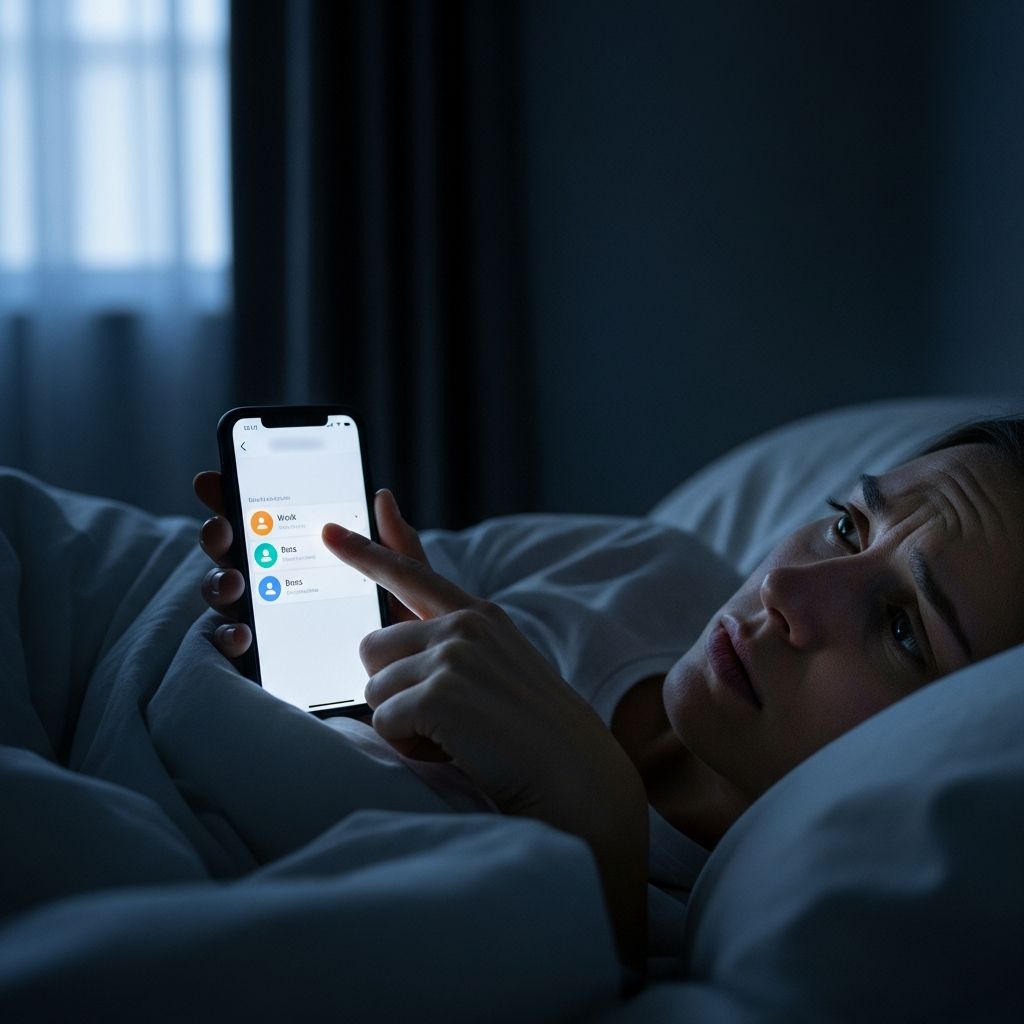
Calling in sick to work, even when genuinely unwell, often triggers intense anxiety and guilt for many employees. This common phenomenon, known as ”sick day guilt,” stems from a mix of psychological conditioning, workplace culture, and societal expectations around productivity.
Data from the past decade reveals patterns in sick days, with Wednesdays seeing the highest absence rates, followed closely by Tuesdays. Between 2016 and 2017, firms lost an average of 1.5 days per employee on Wednesdays alone, peaking in 2016. The first Monday in February is notoriously called ”National Sickie Day” due to the surge in call-ins. Despite these trends, the act of phoning in sick evokes dread, highlighting deeper issues in work-life balance.
This article delves into the origins of sick day guilt, explores toxic productivity’s role, examines reasons for anxiety and guilt, and offers practical advice on overcoming these barriers. Understanding these dynamics empowers employees to prioritize health without fear.
In this article:
- Where does ”sick day guilt” come from?
- Toxic productivity
- Why do we feel anxious about calling in sick?
- Why do we feel guilty about needing time off?
- How to overcome sick day anxiety
- Frequently Asked Questions
Where Does ”Sick Day Guilt” Come From?
Sick day guilt arises from multiple intertwined factors, often rooted in past experiences and current workplace dynamics. Human behaviour expert Claire Brummell attributes much of this to a legacy of fear-based management styles prevalent in many organizations. Employees frequently recall instances where managers responded negatively to legitimate sick calls—ridiculing, dismissing, disbelieving, demeaning, or even threatening disciplinary action to force attendance.
These experiences create subconscious conditioning. ”Every time a manager has acted detrimentally to our needs when we’ve called in sick, it instills anxiety about future occurrences,” Brummell explains. Even witnessing colleagues face poor treatment reinforces this fear, building anticipatory dread.
Concern for colleagues adds another layer. If team members are overburdened, taking a sick day might mean piling extra work on them, especially if tasks can’t be deferred or coverage is unavailable. The prospect of returning to an overwhelming backlog or missed deadlines amplifies hesitation.
Working through illness perpetuates harm: it spreads germs, risking outbreaks, and delays recovery, potentially leading to extended absences later. This cycle underscores the need to normalize sick days as essential for collective well-being.
Toxic Productivity
Toxic productivity refers to a harmful work culture glorifying constant output over employee health and sustainability. It manifests as pressure to always be ”on,” where rest is viewed as laziness, and illness becomes an inconvenience to be powered through.
In this environment, sick days are stigmatized. Employees internalize the belief that their worth ties solely to productivity metrics, fostering guilt for any downtime. Social media and hustle culture exacerbate this, portraying non-stop work as aspirational while shaming breaks.
The consequences are dire. Chronic overwork leads to burnout, diminished performance, and health deterioration. Research from the World Health Organization links excessive work hours to heightened risks of stroke and heart disease. Prioritizing output over well-being creates a vicious cycle where unwell workers drag down team morale and efficiency.
Organizations perpetuating toxic productivity see higher turnover and absenteeism long-term. Shifting to supportive cultures—offering flexible sick leave and mental health resources—boosts loyalty and output. Leaders must model healthy boundaries, like taking sick days themselves, to dismantle this toxicity.
Related Stories



Anxiety about calling in sick typically stems from unmet needs—past, present, or anticipated future ones. Brummell identifies key needs at risk:
Security Need
Fear of job loss or repercussions threatens financial and professional security. ”Believing your role is at risk compromises feelings of safety and future income stability,” she notes. Ironically, calling in sick prevents wider absences by curbing germ spread, protecting the business from ripple effects.
Belonging Need
Absence might strain team relationships, evoking fears of isolation or resentment from overburdened colleagues.
Esteem Need
Guilt erodes self-worth, as individuals tie value to constant availability and output.
Recognizing anxiety as a signal of unmet needs reframes it. Brummell advocates ”Selfirst”—prioritizing personal needs harmlessly, which often benefits others. Calling in sick embodies this: rest hastens recovery, safeguarding team health.
Generalized anxiety disorder (GAD) symptoms like constant worry, fatigue, and irritability can intensify work-related fears. Older adults, affecting 10-20%, often overlook it amid other health issues. Untreated, it impairs cognition and quality of life, making professional support vital.
Why Do We Feel Guilty About Needing Time Off?
Guilt compounds anxiety, driven by societal and personal factors. Many grew up with ”tough it out” mentalities, reinforced by workplaces equating dedication with presence. This leads to ”presenteeism”—attending while ill—costing economies billions in lost productivity.
Colleague impact weighs heavily: no coverage means others compensate, breeding resentment. Yet, this overlooks mutual benefits of rest. Guilt also ties to perfectionism, where any perceived shortfall feels catastrophic.
Mental health days blur lines further. Overwhelm signals need for breaks, yet stigma persists. Patient.info notes taking such days when psychological health falters prevents escalation.
| Factor | Impact on Guilt | Solution |
|---|---|---|
| Past Negative Experiences | Conditioned fear | Seek supportive managers |
| Team Burden | Empathy overload | Communicate openly |
| Cultural Pressure | Internalized shame | Challenge hustle norms |
How to Overcome Sick Day Anxiety
- Prepare a Script: Rehearse a concise call: ”I’m unwell today and need to take a sick day for recovery.”
- Document Symptoms: Track health to affirm legitimacy.
- Know Policies: Review sick leave entitlements.
- Build Support: Discuss norms with HR or allies.
- Practice Self-Compassion: Remind yourself health enables better work.
- Seek Therapy: CBT addresses anxiety roots, as offered by services like Onebright.
For calming environments, workplaces can help: warm receptions, comfortable waiting areas (adaptable to offices), and clear expectations reduce stress.
Frequently Asked Questions (FAQs)
Q: Is it selfish to call in sick?
A: No, it’s ”Selfirst”—protecting your health prevents spreading illness and ensures quicker return, benefiting the team.
Q: What if my manager is unsupportive?
A: Document interactions and escalate to HR. Seek workplaces valuing well-being.
Q: How common is sick day anxiety?
A: Very; data shows peaks on specific days, yet guilt persists widely.
Q: When should I take a mental health day?
A: When overwhelmed, affecting focus or mood—treat it like physical illness.
Q: Can anxiety about sick days indicate GAD?
A: Possibly, if excessive worry disrupts life. Consult a physician.
Normalizing sick days fosters healthier workplaces. By addressing guilt and anxiety head-on, employees reclaim rest as a right, not a risk.
References
- Why do we feel anxious about calling in sick to work when we are genuinely unwell? — Patient.info, reviewed by Dr Sarah Jarvis MBE. 2022-01-14. https://patient.info/features/mental-health/why-do-we-feel-anxious-about-calling-in-sick-to-work-when-we-are-genuinely-unwell
- The anxious patient: How to calm a patient down to improve care — Wolters Kluwer. Accessed 2026. https://www.wolterskluwer.com/en/expert-insights/the-anxious-patient-how-to-calm-a-patient-down-to-improve-care
- Anxiety and Older Adults: Overcoming Worry and Fear — AAGP. Accessed 2026. https://aagponline.org/patient-article/anxiety-and-older-adults-overcoming-worry-and-fear
- When to take a mental health day at work — Patient.info. Accessed 2026. https://patient.info/features/general-health/when-to-take-a-mental-health-day-at-work
Similar Articles








Read full bio of Sneha Tete