Why Do We Sneeze? 10 Common Triggers And What You Can Do
Discover the science behind sneezing, from reflex triggers and causes to health impacts and when to seek medical help for persistent symptoms.
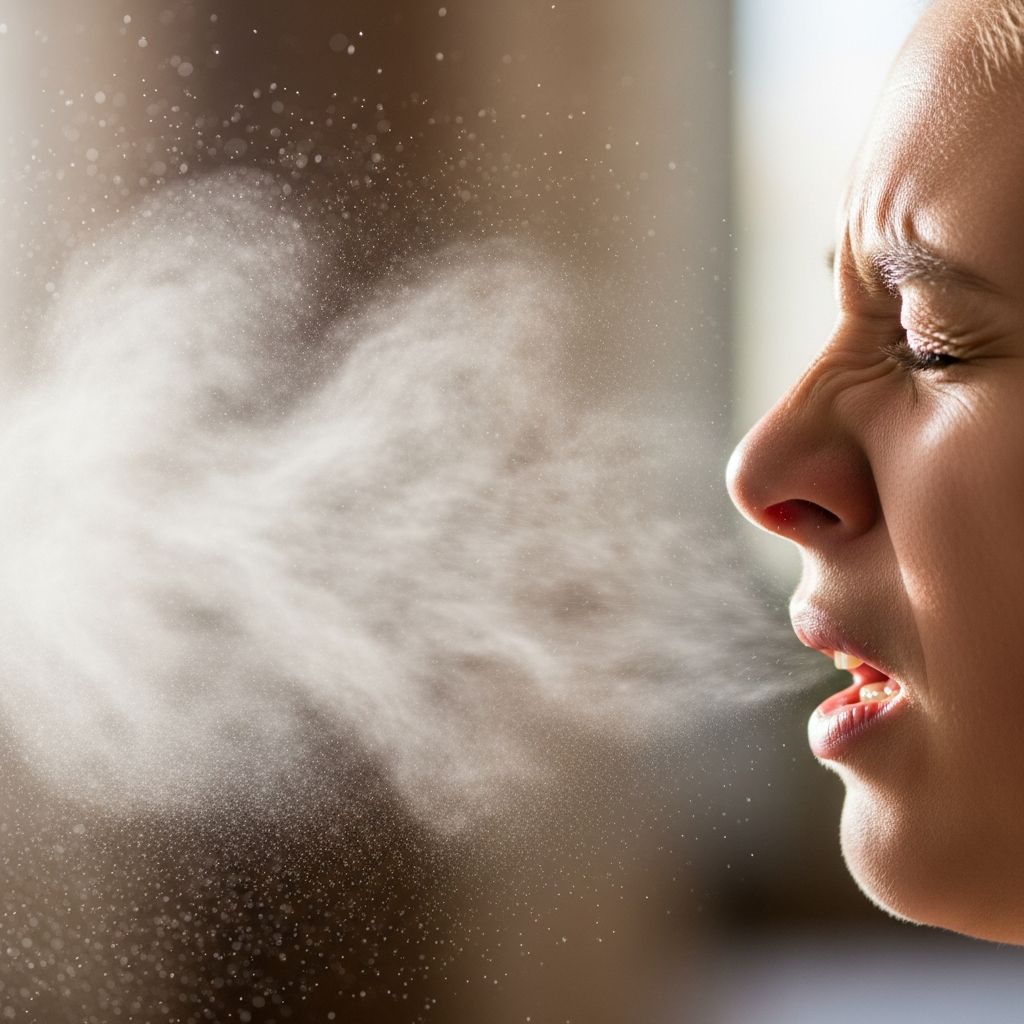
Sneezing is a powerful, involuntary reflex that expels irritants from the nasal passages at speeds up to 100 mph, serving as the body’s primary defense mechanism against airborne particles, allergens, and pathogens.
What Is a Sneeze?
A sneeze, medically termed sternutation, originates in the trigeminal nerve within the nasal mucosa. When irritants stimulate sensory nerves, signals travel to the brain’s sneeze center in the brainstem, triggering a coordinated explosion of air from the lungs through the mouth and nose. This reflex clears mucus, dust, pollen, viruses, and bacteria, preventing them from reaching deeper respiratory tracts.
The process involves three phases: inspiration (deep breath), compression (glottis closure builds pressure), and expulsion (glottis opens, propelling air at 40-100 mph). A single sneeze disperses 40,000 droplets up to 20 feet, highlighting its role in pathogen transmission.
Why Do We Sneeze?
Sneezing protects the respiratory system by removing threats. Common triggers include:
- Irritants: Dust, pepper, smoke, or strong odors stimulate nasal nerves directly.
- Allergens: Pollen, pet dander, mold cause histamine release, inflaming nasal passages.
- Infections: Viruses from colds or flu irritate mucosa, prompting clearance.
- Environmental factors: Dry air, temperature changes, or pollution.
In allergic rhinitis, IgE antibodies bind mast cells, releasing histamine that swells membranes, leading to sneezing and congestion. This often precedes sinusitis via nasal obstruction.
10 Reasons You’re Sneezing So Much
Frequent sneezing signals underlying issues. Here are key causes:
- Seasonal Allergies (Hay Fever): Pollen from trees, grasses, weeds peaks in spring, summer, fall, triggering IgE-mediated responses with sneezing, itchy eyes, runny nose.
- Perennial Allergies: Year-round exposure to dust mites, pet dander, mold causes chronic symptoms.
- Common Cold: Rhinoviruses inflame nasal passages; sneezing peaks days 2-4.
- Nonallergic Rhinitis: Triggers like weather changes, perfumes, spicy foods without IgE involvement.
- Sinusitis/Rhinosinusitis: Inflamed sinuses from allergies or infection cause postnasal drip, sneezing.
- Flu or COVID-19: Viral infections mimic colds but with fever.
- Pregnancy Rhinitis: Hormonal shifts increase nasal blood flow.
- Medications: Aspirin, NSAIDs, or blood pressure drugs induce reactions.
- Bright Light (Photic Sneeze Reflex): 18-35% of people sneeze from sunlight via optic-trigeminal crossover.
- Full Stomach (Gastropulmonary Reflex): Abdominal pressure stimulates diaphragm.
Studies link allergies to higher sinusitis risk; sensitized individuals show mucosal edema blocking sinus drainage.
How Allergies Cause Sneezing
Allergic rhinitis inflames nasal mucosa via histamine, leukotrienes, causing itching, sneezing, rhinorrhea. In rhinosinusitis, this precedes sinus involvement; CT scans show simultaneous nose-sinus inflammation in colds.
NHANES data reveals allergy symptoms correlate with 40% higher sinusitis odds (OR=1.407). Poor mucociliary clearance from edema fosters bacterial overgrowth.
Sneezing and Sinus Infections: The Connection
Allergies don’t weaken immunity but create infection-prone environments. Inflammation blocks ostia, trapping mucus for bacterial/viral growth.
| Condition | Symptoms | Duration |
|---|---|---|
| Allergies | Sneezing, itchy eyes/nose, clear discharge | Persistent with exposure |
| Cold | Sneezing, sore throat, builds then fades | 3-10 days |
| Sinusitis | Facial pain, thick discharge, fever | 10+ days or worsening |
Related Stories



Rhinitis often leads to rhinosinusitis; allergy patients have recurrent sinus issues.
When to See a Doctor for Sneezing
- Sneezing lasts >10 days or worsens.
- Accompanied by fever >101°F, severe headache, facial swelling.
- Thick green/yellow discharge, bloody mucus.
- Vision changes, stiff neck.
- Impacts sleep/work despite OTC remedies.
ENT specialists diagnose via exam, CT, allergy testing.
How to Stop Sneezing: Treatment and Remedies
OTC Options
- Antihistamines: Loratadine, cetirizine block histamine.
- Nasal Corticosteroids: Fluticasone reduce inflammation.
- Decongestants: Pseudoephedrine (short-term).
- Saline Irrigation: Neti pot clears passages.
Home Remedies
- Humidifier for moisture.
- Steam inhalation.
- Avoid triggers: close windows during pollen season.
Medical Treatments
- Immunotherapy for allergies.
- Antibiotics for bacterial sinusitis.
- Surgery for chronic rhinosinusitis.
Prevention Tips
- Track pollen via apps.
- Use HEPA filters, wash bedding weekly.
- Hand hygiene to curb viruses.
- Stay hydrated, avoid irritants.
Frequently Asked Questions (FAQs)
Can allergies cause sinus infections?
Yes, allergic inflammation obstructs sinuses, promoting infections. Studies show higher sinusitis incidence in allergic rhinitis patients.
How long is too long for sneezing?
Beyond 7-10 days or with pain/fever warrants medical evaluation.
Does sneezing spread sinusitis?
Sneeze droplets can transmit viruses leading to sinus issues, especially in allergies/asthma.
Is photic sneeze reflex harmful?
No, it’s benign but disruptive for 1 in 3 people.
Can nonallergic rhinitis lead to sinusitis?
Yes, chronic congestion increases risk.
References
- Allergic Rhinitis, Sinusitis, and Rhinosinusitis — Boston Medical Center. Accessed 2026. https://www.bmc.org/otolaryngology/conditions-we-treat/nose/allergic-rhinitis-sinusitis-rhinosinusitis
- The association between allergy and sinusitis — PubMed Central/NIH. 2021-12-10. https://pmc.ncbi.nlm.nih.gov/articles/PMC8710243/
- Are Allergies Causing Sinus Infection? Symptoms, Causes & FAQs — Columbia Breathe Free. Accessed 2026. https://www.columbiabreathefree.com/blog/sinus-infections-seasonal-allergies-connection
- Colds, Allergies and Sinusitis — How to Tell the Difference — American Academy of Allergy, Asthma & Immunology. Accessed 2026. https://www.aaaai.org/tools-for-the-public/conditions-library/allergies/colds-allergies-sinusitis
- Sinus Infection (Sinusitis): Causes, Symptoms & Treatment — Cleveland Clinic. Accessed 2026. https://my.clevelandclinic.org/health/diseases/17701-sinusitis
- Nonallergic rhinitis – Symptoms & causes — Mayo Clinic. Accessed 2026. https://www.mayoclinic.org/diseases-conditions/nonallergic-rhinitis/symptoms-causes/syc-20351229
Similar Articles








Read full bio of medha deb