Why Does Alcohol Make Me Sleepy?
Uncover the science behind alcohol's sedative effects, its impact on sleep cycles, and why it disrupts restful sleep despite initial drowsiness.
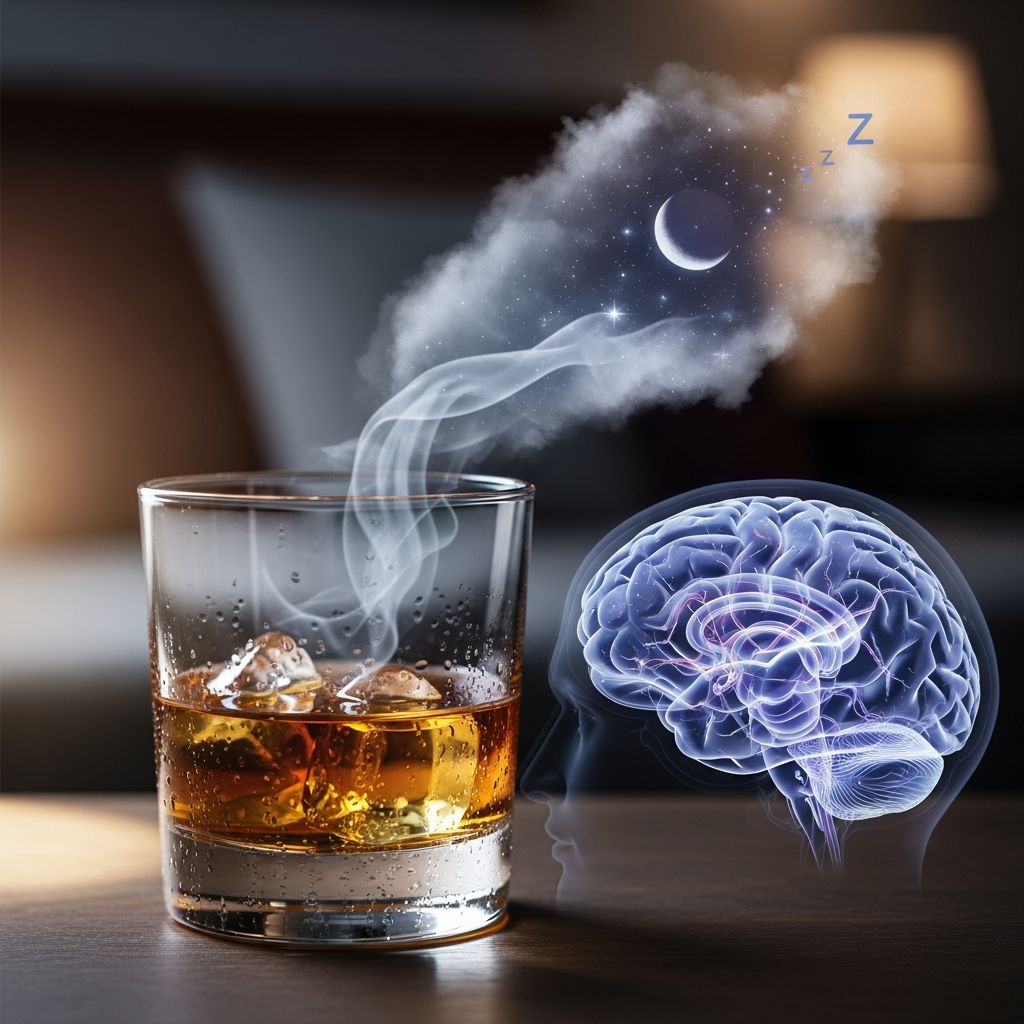
Alcohol often induces a strong sense of drowsiness, leading many to believe it aids sleep. However, while it promotes initial sleep onset, it severely disrupts overall sleep architecture, resulting in fragmented rest and daytime fatigue.
How Alcohol Affects the Brain to Make You Sleepy
Alcohol acts as a central nervous system depressant, enhancing the activity of the inhibitory neurotransmitter
GABA
(gamma-aminobutyric acid), which slows brain activity and promotes sedation. This GABA boost mimics the effects of sleep-promoting signals, making you feel relaxed and sleepy shortly after consumption, especially at blood alcohol concentrations (BACs) above 0.05%.Additionally, alcohol inhibits excitatory neurotransmitters like
glutamate
, further dampening neural firing and contributing to that heavy-eyed sensation. Research shows this sedative effect peaks during the descending phase of BAC, when alcohol levels drop, confirming its biphasic nature: initial stimulation followed by profound drowsiness.Adenosine, a natural sleep-promoting chemical that builds up during wakefulness, also plays a role. Alcohol facilitates adenosine function, tripling its sleep-inducing potential and accelerating sleep onset.
The Biphasic Effect of Alcohol on Sleepiness
Alcohol exhibits a
biphasic effect
on alertness. At rising BACs (e.g., shortly after drinking), it can act as a stimulant, increasing sleep latencies and alertness in daytime studies. As BAC declines, however, sedative properties dominate, reducing sleep latencies and heightening sleepiness.This pattern explains why a nightcap feels relaxing: by bedtime, BAC is typically falling, amplifying drowsiness. Studies using multiple sleep latency tests (MSLT) confirm longer sleep onset at peak BAC but shorter latencies during descent, underscoring alcohol’s dual impact.
Alcohol’s Effects on Sleep Architecture
While alcohol shortens time to fall asleep, it profoundly alters
sleep stages
:- Increased Slow-Wave Sleep (SWS) Early On: Alcohol boosts deep SWS in the first half of the night by enhancing GABA and adenosine, providing restorative sleep initially.
- REM Suppression and Rebound: It suppresses rapid eye movement (REM) sleep early, where dreaming and memory consolidation occur. A compensatory REM rebound happens later, fragmenting sleep.
- Fragmented Sleep: As alcohol metabolizes, homeostatic recovery extends light Stages 1 and 2, causing frequent awakenings.
Tolerance develops quickly—within 3 nights—reducing these stage alterations, potentially leading to higher intake for the same effect.
Why Alcohol Disrupts Sleep Despite Making You Sleepy
The initial sedation masks later disruptions. Alcohol’s metabolism triggers adrenaline release and withdrawal-like symptoms, causing mid-night awakenings. It relaxes throat muscles, increasing snoring and obstructive sleep apnea (OSA) risk by 25%, even in non-snorers.
Central sleep apnea worsens too, as alcohol slows brain signals to breathing muscles. Circadian rhythms suffer from altered melatonin and core body temperature regulation, delaying REM and reducing total sleep efficiency.
Alcohol and Sleep Apnea
Alcohol heightens OSA risk by relaxing upper airway muscles, collapsing the throat during inhalation. Studies link consumption to a 25% higher OSA incidence, with greater effects in snorers.
For central sleep apnea, alcohol depresses the central nervous system, disrupting respiratory drive. Those with existing apnea experience intensified symptoms, leading to more arousals and oxygen desaturation.
Long-Term Effects of Alcohol on Sleep
Chronic use builds tolerance, requiring more alcohol for sedation, altering brain chemicals regulating sleep-wake cycles permanently. This fosters insomnia-like symptoms: frequent awakenings, daytime sleepiness, and poor focus.
Up to 70% of heavy drinkers develop insomnia, with 30% of insomniacs using alcohol as a sleep aid—ironically worsening their condition. Long-term risks include depression, dementia, heart disease, and chronic sleep deprivation.
Does Alcohol Help Insomnia?
Surprisingly, low doses (0.5 g/kg) improve sleep in insomniacs but not healthy individuals, increasing SWS without second-half disruption. However, 67% report short-term benefits, but tolerance leads to overuse and daytime drinking.
Experts advise against it: alcohol turns transient insomnia chronic, compounding sleep issues.
How Much Alcohol Is Too Much for Sleep?
No safe amount exists for optimal sleep. Even moderate intake (1-2 drinks) disrupts REM and causes fragmentation. Guidelines recommend zero alcohol 3-4 hours before bed; heavy use (>3 drinks) guarantees poor sleep.
| Alcohol Amount | Sleep Impact |
|---|---|
| 1 drink | Mild REM delay, minor fragmentation |
| 2-3 drinks | Significant SWS boost early, REM rebound, awakenings |
| >3 drinks | Severe disruption, apnea risk, next-day fatigue |
Tips for Better Sleep Without Alcohol
- Time Your Cutoff: Stop drinking 4 hours before bed to minimize metabolism disruptions.
- Hydrate and Eat: Counter dehydration with water; avoid caffeine post-noon.
- Sleep Hygiene: Maintain consistent schedules, dim lights, and cool rooms.
- Alternatives: Try CBT-I, melatonin (consult doctor), or herbal teas.
- Track Habits: Use apps to monitor sleep and alcohol correlations.
Prioritizing non-alcoholic strategies yields deeper, restorative sleep.
Frequently Asked Questions (FAQs)
Does alcohol help you fall asleep faster?
Yes, it reduces sleep latency via GABA enhancement, but disrupts later sleep stages.
Why do I wake up after drinking?
Alcohol’s metabolites cause rebound arousal and light sleep extension as BAC falls.
Is a nightcap ever okay?
Occasional low doses have minimal impact, but regular use harms sleep quality long-term.
Can alcohol cause sleep apnea?
It increases OSA risk by 25% by relaxing airway muscles.
How long before bed to avoid alcohol?
At least 3-4 hours to allow full metabolism.
References
- Sleep, Sleepiness, and Alcohol Use — Roehrs T, Roth T. National Institute on Alcohol Abuse and Alcoholism (NIAAA), PMC. 2001-10-01. https://pmc.ncbi.nlm.nih.gov/articles/PMC6707127/
- How Alcohol Affects Your Sleep — National Council on Aging (NCOA). 2023-08-15. https://www.ncoa.org/article/how-alcohol-affects-your-sleep/
Similar Articles




Read full bio of Sneha Tete