Why Does Coffee Make You Poop? 6 Ways To Curb Laxative Effect
Discover the science behind coffee's surprising laxative effect and how it impacts your digestion and gut health.
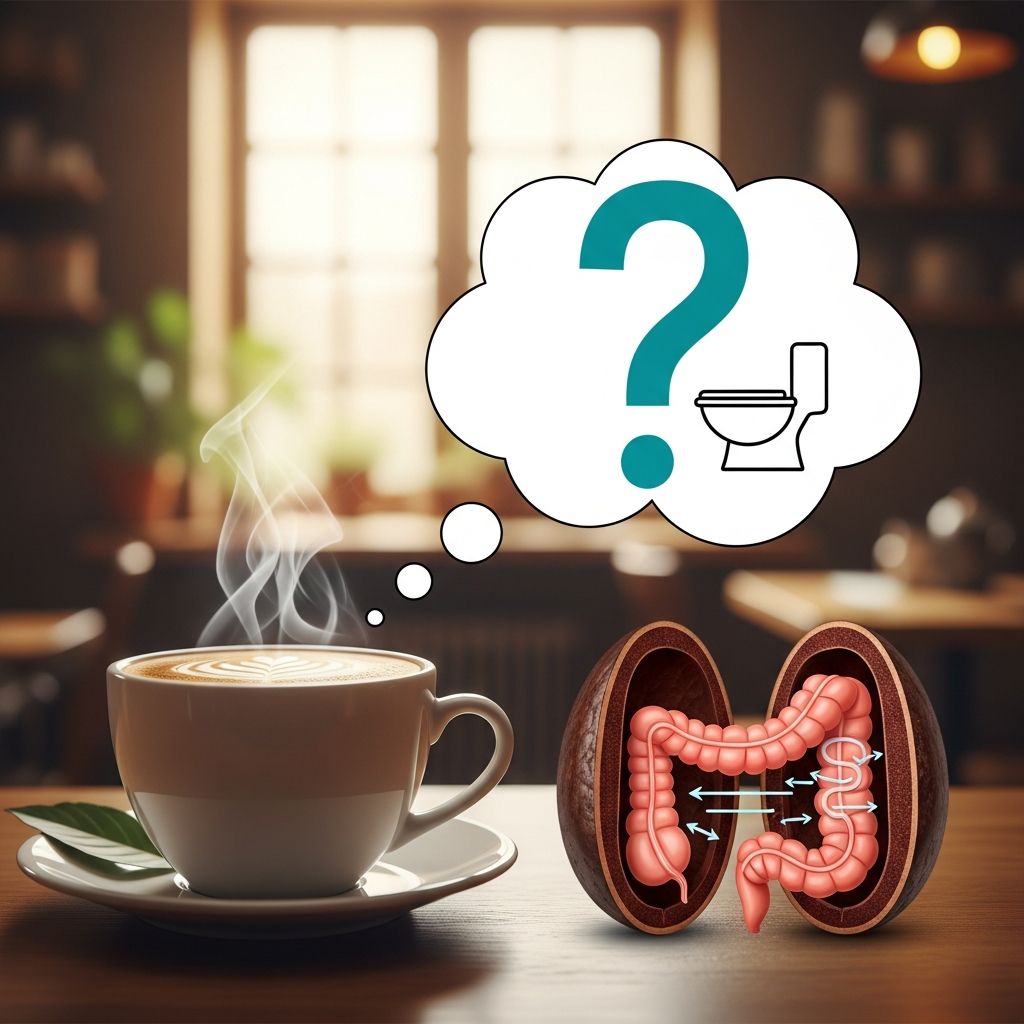
Many people experience an urgent need to have a bowel movement shortly after drinking coffee, a phenomenon backed by research showing that 29% of healthy volunteers feel compelled to defecate after one cup. This effect stems from coffee’s stimulation of gastrointestinal motility and secretions, independent of caffeine in many cases, as decaffeinated coffee produces similar results.
What Does the Research Say About Coffee and Pooping?
Scientific studies confirm coffee’s role in promoting bowel movements. A study involving 99 healthy volunteers found that 29% reported a strong urge to defecate after consuming a cup of coffee, highlighting its reliable laxative effect. Coffee increases colonic motility through mechanisms like muscarinic receptor activation in gut smooth muscle cells, enhancing peristalsis. Population-based research also links coffee consumption to lower constipation prevalence, with moderate intake inversely associated with this condition.
Both caffeinated and decaffeinated varieties stimulate gut activity, suggesting bioactive compounds beyond caffeine—such as chlorogenic acids and melanoidins—are key players. Coffee promotes the release of hormones like gastrin, which boost gastric, pancreatic, and bile secretions, aiding digestion and motility. A report by the Institute for Scientific Information on Coffee notes protective effects against gallstones and pancreatitis, partly due to enhanced digestive processes.
How Coffee Affects Your Gastrointestinal Tract
Coffee influences multiple aspects of the GI tract. It stimulates gastric acid and gastrin release, with decaffeinated coffee achieving up to 70% of the response seen with stimulants like pentagastrin. Studies show coffee solutions equivalent to two cups raise blood gastrin levels 2.3-fold, supporting digestion but potentially contributing to reflux in sensitive individuals.
In the lower GI tract, coffee accelerates ileal and colonic motility in a caffeine-independent manner. This is mediated by actions on gut smooth muscle and possibly the gut-brain axis, influencing visceral sensations. Additionally, coffee supports beneficial gut microflora; populations of Bifidobacterium spp. increase due to its dietary fiber and polyphenols. Research indicates coffee boosts gut microbiota diversity, with compounds like caffeic acid modulating inflammation and bacterial abundance.
- Coffee stimulates gastric and pancreatic secretions, enhancing chemical digestion.
- It promotes colonic peristalsis, acting as a natural laxative.
- Bioactives alter gut microbiota, increasing diversity and beneficial bacteria.
Does Decaf Coffee Make You Poop?
Yes, decaffeinated coffee triggers similar bowel responses, indicating non-caffeine components drive the effect. Decaf stimulates gastrin release (1.7-fold increase) and gastric acid secretion comparably to regular coffee. Its laxative action on colonic motility persists, making it effective for constipation relief. Studies affirm decaf’s potency, sometimes surpassing protein meals in secretion stimulation. This underscores that compounds like kahweol and caffeic acid contribute significantly.
Why Does Coffee Make Some People Poop More Than Others?
Individual variability arises from genetics, gut microbiota composition, and sensitivities. Genetic factors influence caffeine metabolism via CYP1A2 enzyme variations, affecting response intensity. Those with diverse microbiota may experience amplified motility benefits, as coffee modulates bacteria like Akkermansia and Lachnospiraceae.
Related Stories



Sensitivities play a role; excess coffee (>5 cups/day) heightens GERD risk by relaxing the lower esophageal sphincter. IBS patients show mixed responses: some meta-analyses link coffee to lower IBS risk, while surveys report worsened diarrhea. Moderation and personal tracking of symptoms are key, as advised by experts.
| Factor | Influence on Coffee’s Laxative Effect |
|---|---|
| Genetics | Slower caffeine metabolizers may feel stronger urges. |
| Gut Microbiota | Higher diversity enhances motility benefits. |
| Consumption Amount | Moderate (2-3 cups) optimal; excess risks reflux. |
| Sensitivities | Acid reflux-prone individuals may poop but feel discomfort. |
Is It the Caffeine in Coffee That Makes You Poop?
Caffeine contributes but isn’t solely responsible. It stimulates gastrin and central nervous system effects on motility, yet decaf’s efficacy proves other factors dominant. Caffeine relaxes smooth muscles and boosts peristalsis, but coffee’s full spectrum—polyphenols, fibers—amplifies this. Animal studies show coffee reverses dysbiosis and restores motility-regulating bacteria.
Can Coffee Cause Diarrhea?
For most, coffee induces normal bowel movements, not diarrhea. However, excessive intake or sensitivities can lead to loose stools via hypermotility. IBS patients may experience exacerbated symptoms, though evidence is conflicting. Benefits generally outweigh risks in moderation, reducing constipation and supporting microbiota.
Does Coffee Cause Acid Reflux?
Mixed evidence exists. Coffee increases gastric acid and decreases lower esophageal sphincter pressure, potentially triggering reflux. Yet, most studies find no strong link to GERD or heartburn; it’s not a major trigger. High consumption (>5 cups) raises risk, but moderate use is safe for many. Eating with coffee or opting for decaf mitigates issues.
6 Ways to Reduce the Laxative Effect of Coffee
- Drink in moderation: Limit to 2-3 cups daily to avoid overstimulation.
- Choose decaf: Retains laxative benefits with less caffeine intensity.
- Pair with food: Eating buffers acid and slows absorption.
- Opt for cold brew: Lower acidity reduces GI irritation.
- Add milk: Coats the stomach, easing secretion spikes.
- Time intake: Avoid empty stomach mornings if sensitive.
Frequently Asked Questions (FAQs)
Why do I have to poop right after coffee?
Coffee stimulates colonic motility via gastrin, hormones, and microbiota changes, often within minutes.
Is coffee good for constipation?
Yes, moderate consumption reduces constipation risk by enhancing motility and secretions.
Does decaf have the same effect?
Absolutely, due to non-caffeine bioactives like chlorogenic acids.
Can coffee upset my stomach?
It may in excess or for sensitive individuals, causing reflux or diarrhea.
Is coffee beneficial for gut health?
Yes, it boosts microbiota diversity and fights pathogens.
This article synthesizes research showing coffee’s predominantly positive digestive impacts, with caveats for moderation. Its dual role as laxative and microbiota supporter makes it a valuable beverage for gut health.
References
- Effects of Coffee on Gut Microbiota and Bowel Functions in Health — PMC/NCBI. 2024. https://pmc.ncbi.nlm.nih.gov/articles/PMC11434970/
- Coffee’s Effects on Digestion Discussed in New Report — Institute for Scientific Information on Coffee. 2023. https://www.coffeeandhealth.org/health/media-content/news-alerts/new-report-discusses-coffees-effect-on-digestion
- Coffee and Gut Health: Friend or Foe? — Hoag Digestive Health Institute. 2024. https://www.hoag.org/articles/coffee-and-gut-health-friend-or-foe/
Similar Articles








Read full bio of Sneha Tete