Why Does Everything Taste Salty? 7 Causes And Fixes
Understanding the causes of persistent salty taste and how to treat it effectively.
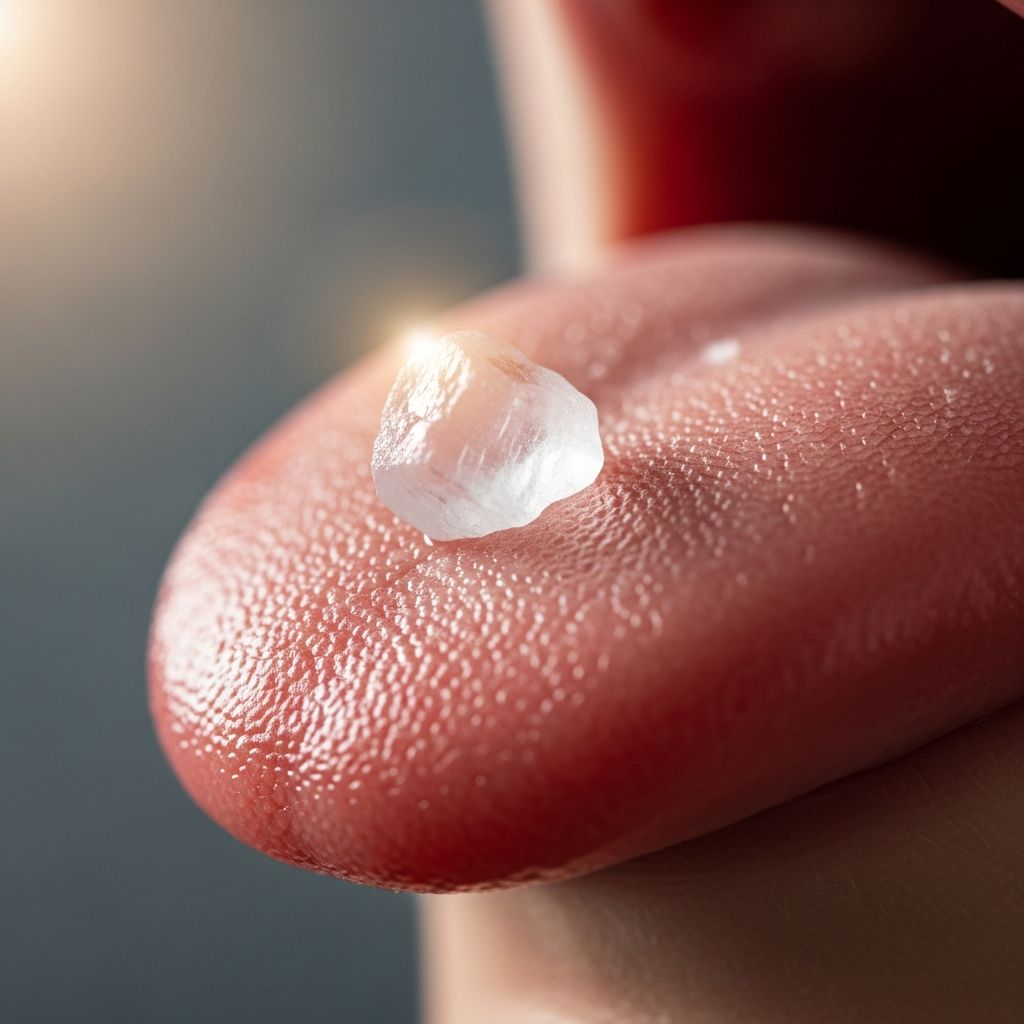
Why Does Everything Taste Salty to Me?
A persistent salty taste in your mouth can be frustrating and concerning. If you’ve noticed that food and beverages taste excessively salty regardless of their actual salt content, you’re not alone. This symptom, known as dysgeusia when it involves taste distortions, affects many people and can significantly impact quality of life and nutritional intake. Understanding the underlying causes is the first step toward finding relief and determining whether you need medical attention.
How Saliva Affects Taste
To understand why you might experience a persistent salty taste, it’s important to first understand how saliva influences your sense of taste. Saliva is much more than just moisture in your mouth—it plays a crucial role in how you perceive flavors. Your saliva naturally contains small amounts of sodium and chloride, the two primary components of salt. These minerals are always present in your mouth, constantly stimulating the salt taste receptors on your tongue and throughout your oral cavity.
Under normal circumstances, your taste buds adapt to your baseline level of salivary salt concentration. This adaptation process, called sensory accommodation, means that even though salt is present in your saliva at all times, you don’t normally taste it. Think of it like background noise—your brain learns to ignore constant, unchanging stimuli. However, when something disrupts this equilibrium, your salty taste perception can change dramatically. A salty taste in your mouth typically develops when either the concentration of salt in your saliva increases above your normal level, or your taste buds become temporarily more sensitive to salt.
Common Causes of Salty Taste
Dehydration
Dehydration is one of the most common culprits behind a persistent salty taste. When your body doesn’t have enough water, the salt concentration in your saliva becomes more concentrated. Imagine a pinch of salt dissolved in a full glass of water versus that same amount of salt in just a teaspoon of water—the smaller volume tastes noticeably saltier. The same principle applies to your saliva. When you’re dehydrated, you produce less saliva, which concentrates the existing salt, making your mouth taste saltier.
Many people don’t realize they’re dehydrated because thirst isn’t always an obvious indicator. Certain beverages can actually worsen dehydration despite seeming like they provide hydration. Alcohol and caffeinated drinks like coffee, tea, and soda have diuretic effects, meaning they increase urine production and can leave you more dehydrated than before you consumed them. If you rely heavily on these beverages, you may be chronically underhydrated without realizing it.
Medications
Approximately 400 different medications can alter your sense of taste as a side effect. These medications work through various mechanisms—some directly affect your taste receptors, while others change the composition of your saliva or cause dry mouth as a secondary effect. Common medications that can cause a salty or altered taste include:
- ACE inhibitors used for blood pressure management
- Beta-blockers prescribed for heart conditions
- Antidepressants and antihistamines
- Certain antibiotic medications
- Diuretics used for heart or kidney conditions
- Chemotherapy drugs
If you’ve recently started a new medication and noticed a salty taste developing, this may be the culprit. Rather than stopping your medication on your own, consult with your pharmacist or physician about the symptom. They may be able to adjust your dosage, switch you to an alternative medication, or recommend strategies to manage the taste distortion while continuing necessary treatment.
Related Stories



Dry Mouth (Xerostomia)
Dry mouth, or xerostomia, occurs when your salivary glands don’t produce adequate saliva. Beyond causing a salty taste, dry mouth typically presents with other symptoms including bad breath, difficulty swallowing, mouth sores, and a constant sore throat. The connection between dry mouth and salty taste is twofold: reduced saliva volume concentrates the salt that is present, and altered saliva composition can affect how taste receptors perceive salt.
Dry mouth can result from various causes, including autoimmune disorders, radiation therapy, certain medications, or simply aging. The condition requires proper management because persistent dry mouth can lead to dental problems, infections, and difficulty eating and speaking.
Salivary Gland Disorders
Diseases affecting your salivary glands can significantly impact both the quantity and quality of your saliva. Sjögren’s syndrome, an autoimmune disorder, specifically damages the salivary glands and tear glands, leading to decreased saliva production. People with autoimmune conditions such as lupus or rheumatoid arthritis have an increased risk of developing Sjögren’s syndrome. While dry mouth is typically the more prominent symptom in these conditions, altered taste perception, including a salty taste, is also common.
Postnasal Drip and Sinus Infections
When you have a sinus infection or chronic postnasal drip, mucus continuously drains from your sinuses down the back of your throat. This infected mucous can have a high salt concentration, and when it drips into your throat and mixes with your saliva, it increases the overall salt content in your mouth. Postnasal drip often accompanies allergies or long-term sinus infections and typically produces additional symptoms like throat clearing urges, coughing, and an unpleasant taste in your mouth.
Excessive Tear Drainage
Tears play an essential role in eye health, keeping your eyes moist and protected. These tears naturally drain from your lower eyelids through tear ducts that end inside your nose. From there, tears drain down the back of your throat. Tears contain salt to help protect your eyes, so excessive tear production or drainage can contribute to increased saltiness in your mouth. This can occur during emotional episodes, allergies, or eye irritation.
Acid Reflux (GERD)
Gastroesophageal reflux disease (GERD), commonly known as chronic acid reflux, occurs when stomach acid leaks backward into your esophagus. While GERD typically causes a sour or bitter taste, it can also produce a salty taste sensation. However, a salty taste from GERD rarely appears as an isolated symptom. Most people with GERD experience additional symptoms such as heartburn, chronic cough, or a sensation of something stuck in their throat. If you suspect acid reflux might be causing your salty taste, look for these accompanying symptoms.
Less Common Causes
While the causes mentioned above account for the vast majority of cases, several less common conditions can also produce a persistent salty taste. Neurological problems affecting the nerves connected to taste—such as brain injuries or tumors—can interfere with taste signal transmission to your brain. However, these conditions typically present with multiple other symptoms including headaches, vision changes, seizures, or loss of smell. Additionally, certain hormonal changes during pregnancy have been reported to cause taste alterations, including a salty taste.
When to Seek Medical Attention
A salty taste in your mouth isn’t typically a medical emergency, but it warrants attention and investigation. You should schedule an appointment with a healthcare professional if:
- The salty taste persists for more than two weeks despite home remedies
- You experience additional symptoms like severe dry mouth, difficulty swallowing, or unexplained weight loss
- The taste change coincides with other concerning symptoms
- The problem interferes with your ability to eat, drink, or enjoy food
- You suspect a medication might be causing the symptom
- You have a diagnosed autoimmune condition and develop taste changes
Treatment and Management Strategies
Increase Water Intake
The first line of treatment for a salty taste is addressing potential dehydration. Increase your water consumption throughout the day, aiming for adequate hydration based on your individual needs. However, if you have certain health conditions, this recommendation may need modification. People taking diuretics for heart or kidney disease may need to limit water intake rather than increase it. Always consult your healthcare provider about appropriate hydration levels for your specific health situation.
Medication Review
If you’re taking prescription medications and notice a salty taste, discuss this side effect with your pharmacist or physician. They may be able to adjust your dosage, switch you to an alternative medication with fewer taste-related side effects, or recommend strategies to minimize the symptom. Don’t stop taking prescribed medications without professional guidance, but do communicate about quality-of-life issues like taste distortion.
Over-the-Counter Solutions
For dry mouth-related salty tastes, over-the-counter products can provide relief. Dry mouth lozenges, artificial saliva sprays, and sugar-free gums or candies can help stimulate saliva production and improve comfort. Mouth rinses specifically formulated for dry mouth may also help.
Addressing Underlying Conditions
If your salty taste stems from postnasal drip, sinus infection, or acid reflux, treating the underlying condition will often resolve the taste distortion. Nasal saline rinses, decongestants, antihistamines for allergies, or acid-reducing medications may all play a role in comprehensive treatment depending on your specific diagnosis.
Lifestyle Modifications
Beyond medical interventions, several lifestyle changes can help manage a persistent salty taste:
- Reduce caffeine and alcohol consumption to minimize dehydrating effects
- Stay consistent with water intake throughout the day rather than drinking large amounts at once
- Practice good oral hygiene to rule out dental issues that might contribute to taste problems
- Use a humidifier to increase moisture in the air, which can help with dry mouth symptoms
- Avoid mouthwashes containing alcohol, which can further dry out your mouth
- Suck on sugar-free candies or lozenges to stimulate saliva production
When Home Remedies Aren’t Enough
While many cases of persistent salty taste respond well to home remedies and simple interventions, some situations require professional medical evaluation. If your salty taste persists despite increased hydration and other home treatments, or if it’s accompanied by other concerning symptoms, arrange an appointment with your healthcare provider. They can perform a thorough evaluation, possibly including blood tests or imaging, to identify the underlying cause and recommend appropriate treatment.
Frequently Asked Questions
Q: Can stress cause a salty taste in my mouth?
A: Stress can indirectly cause a salty taste by affecting saliva production and composition, as well as triggering dry mouth. Additionally, stress-related dehydration or changes in eating habits during stressful periods may contribute to taste distortions.
Q: Is a salty taste ever a sign of something serious?
A: While a salty taste is usually caused by benign, easily treatable conditions like dehydration or medication side effects, it can rarely indicate serious conditions affecting the nervous system. If accompanied by other symptoms like severe headaches, vision changes, or neurological symptoms, seek medical attention promptly.
Q: How long does it take to resolve a salty taste?
A: The timeline depends on the underlying cause. Dehydration-related salty taste often improves within days of increasing water intake. Medication side effects may resolve within weeks after switching medications. Taste changes from underlying medical conditions may take longer to improve after the condition is treated.
Q: Can diabetes cause a salty taste?
A: Diabetes can indirectly contribute to taste changes through dry mouth (a common diabetes complication) and blood sugar fluctuations. If you have diabetes and notice taste distortions, discuss this with your healthcare provider as it may relate to blood sugar control.
Q: Should I eliminate salt from my diet if everything tastes salty?
A: No. Eliminating dietary salt won’t resolve the underlying cause of your persistent salty taste. Instead, focus on identifying and treating the root cause—whether that’s dehydration, medication effects, or a medical condition. Unnecessarily restricting salt could be harmful if you need adequate sodium for proper body function.
References
- Persistent Salty Taste May Be Related to Saliva Levels — Harvard Health Publishing. Accessed 2025. https://health.harvard.edu/diseases-and-conditions/why-does-everything-taste-salty-to-me
- 8 Causes for a Salty Taste in Your Mouth — Cleveland Clinic. 2023. https://health.clevelandclinic.org/salty-taste-in-mouth
- Why Might My Sense of Taste Change? — WebMD Oral Health. Accessed 2025. https://www.webmd.com/oral-health/oral-sense-taste-change
- Medication Side Effects: Taste Disturbances — U.S. Food and Drug Administration (FDA). Accessed 2025. https://www.fda.gov
- Sjögren’s Syndrome: Symptoms and Diagnosis — National Institute of Arthritis and Musculoskeletal and Skin Diseases (NIAMS), National Institutes of Health. 2024. https://www.niams.nih.gov
Similar Articles








Read full bio of Sneha Tete