Why Does It Hurt When I Poop: Causes and Solutions
Understand the common causes of painful bowel movements and discover effective treatment options.
Why Does It Hurt When I Poop: Understanding Common Causes
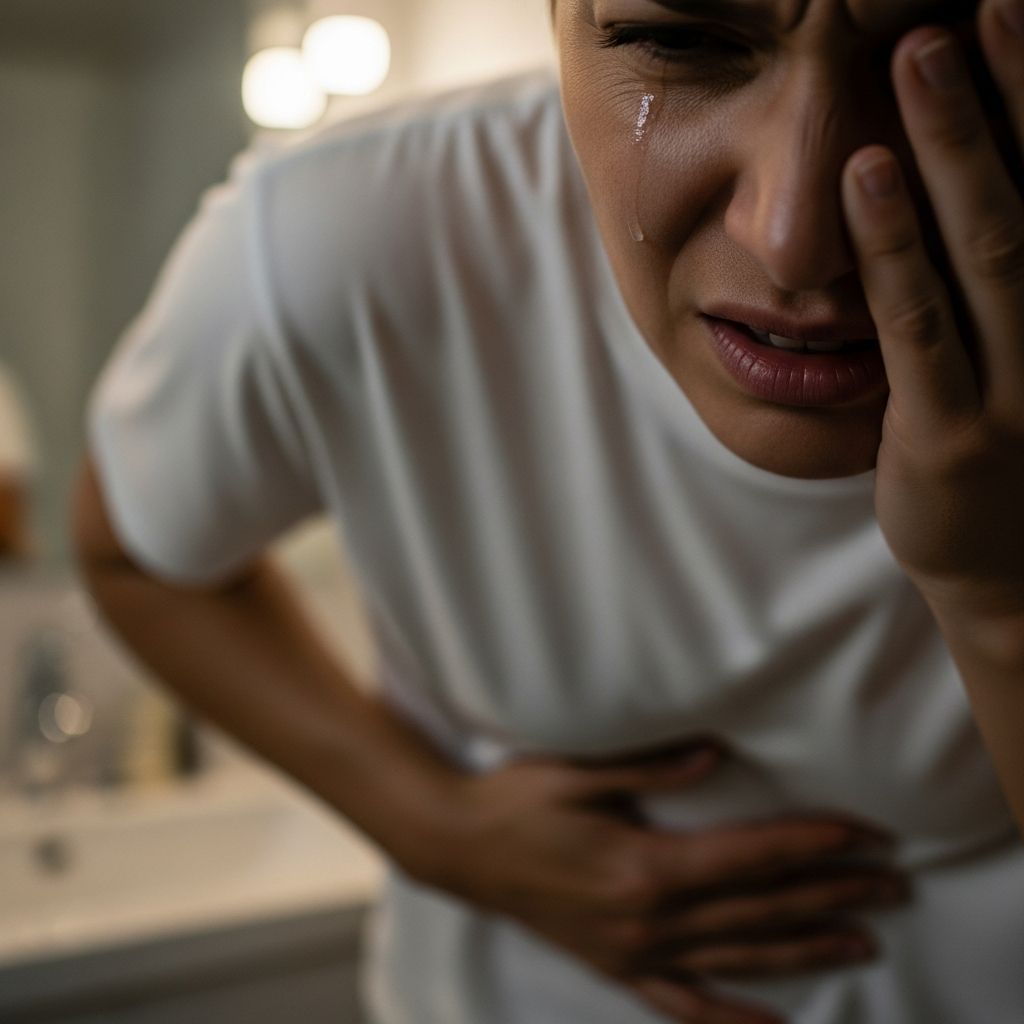
Painful bowel movements, medically referred to as defecation pain or anorectal pain, affect millions of people worldwide. This uncomfortable condition can range from mild discomfort to severe pain that impacts daily quality of life. Understanding the underlying causes is the first step toward finding relief and addressing the problem effectively. Whether the pain occurs during or after bowel movements, it often signals an issue that warrants attention and appropriate treatment.
Common Causes of Painful Bowel Movements
Hemorrhoids (Piles)
Hemorrhoids are among the most common causes of painful bowel movements, affecting approximately one in twenty Americans at some point in their lives. These are swollen blood vessels in the rectum or anus that can develop internally or externally. Internal hemorrhoids typically cause painless bleeding, while external hemorrhoids often cause itching, discomfort, and pain, especially during bowel movements or when sitting.
The pain from hemorrhoids occurs because the affected area becomes inflamed and sensitive. Activities that increase abdominal pressure, such as straining during bowel movements, prolonged sitting on the toilet, or heavy lifting, can exacerbate hemorrhoid symptoms. Risk factors include chronic constipation, diarrhea, pregnancy, obesity, and a sedentary lifestyle.
Anal Fissures
An anal fissure is a small tear in the skin lining the anal canal. These painful tears typically develop from passing large or hard stools, chronic diarrhea, or excessive wiping. The pain from anal fissures is often described as sharp and burning, particularly during and immediately after bowel movements. Many people experience spasms of the anal sphincter muscle following the pain, which can last for hours.
Anal fissures are more common in younger adults and can become chronic if not treated properly. The condition creates a vicious cycle: pain leads to fear of bowel movements, which causes people to avoid defecating, leading to constipation and harder stools that further irritate the fissure.
Inflammatory Bowel Disease (IBD)
Inflammatory bowel disease encompasses conditions such as Crohn’s disease and ulcerative colitis, which involve chronic inflammation of the digestive tract. People with IBD often experience painful bowel movements due to the inflammation and ulceration of the intestinal lining. Additional symptoms typically include diarrhea, blood in stool, abdominal cramping, and weight loss.
The severity of pain fluctuates with disease activity, with symptoms often worsening during flare-ups. Treatment depends on the type and severity of IBD and may include medications, dietary modifications, and in some cases, surgical intervention.
Irritable Bowel Syndrome (IBS)
Irritable bowel syndrome is a functional disorder affecting the large intestine, characterized by a group of symptoms that occur together. People with IBS frequently experience abdominal pain, cramping, bloating, diarrhea, and constipation. The condition can make bowel movements painful and unpredictable, though it does not cause permanent damage to the digestive tract.
IBS is believed to result from a combination of factors including gut sensitivity, muscle contractions, brain-gut signaling abnormalities, and imbalances in gut bacteria. The condition is more common in women and often develops after infections or during times of stress.
Related Stories



Constipation
Chronic constipation frequently leads to painful bowel movements. When stool becomes hard and dry, it causes strain and discomfort during passage. The effort required to evacuate hard stool can lead to tears, hemorrhoids, and overall anal discomfort. Constipation can result from inadequate fiber and water intake, sedentary lifestyle, certain medications, or underlying medical conditions.
Diarrhea
Conversely, diarrhea can also cause pain during bowel movements. Frequent, loose stools irritate the anal tissue, leading to inflammation and discomfort. Infectious gastroenteritis, food intolerances, inflammatory bowel disease, and certain medications commonly cause diarrhea. The repeated wiping required with diarrhea further irritates sensitive anal skin.
Infections and Abscesses
Infections in the anal area, including anal abscesses or sexually transmitted infections, can cause significant pain during bowel movements. An anal abscess is a collection of pus that develops in the anal region, typically resulting from blocked glands or fecal material entering small tears. Symptoms include severe pain, swelling, fever, and difficulty sitting or walking.
Sexually Transmitted Infections (STIs)
Several STIs can cause painful bowel movements, including herpes simplex virus, gonorrhea, and chlamydia. These infections can affect the anal tissue directly or cause inflammation that makes defecation painful. Individuals with symptoms should seek medical evaluation for appropriate testing and treatment.
When Pain Occurs: During vs. After Bowel Movements
Pain During Bowel Movements
Pain occurring during the act of defecation often stems from mechanical issues such as hemorrhoids, anal fissures, or constipation with hard stool passage. The pain typically correlates directly with the passage of stool and may resolve once defecation is complete.
Pain After Bowel Movements
Pain persisting after bowel movements may indicate anal sphincter spasms, residual inflammation, or tissue damage. This type of pain may last from minutes to several hours and is commonly associated with anal fissures or severe hemorrhoids.
Treatment and Management Strategies
Lifestyle Modifications
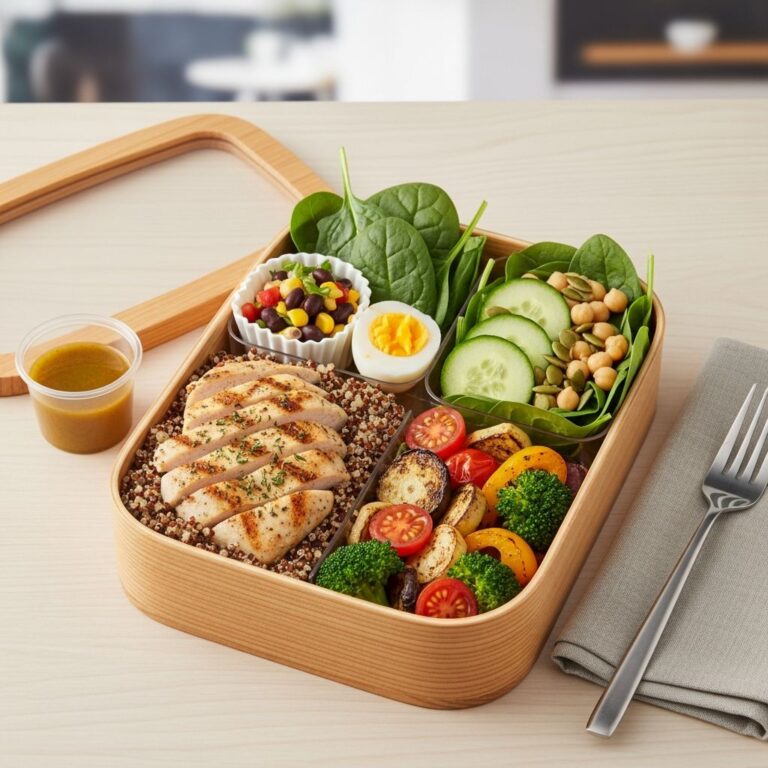
- Increase Fiber Intake: Gradually increase dietary fiber through whole grains, fruits, vegetables, and legumes to soften stool and reduce straining
- Hydration: Drink adequate water throughout the day to promote soft, regular stools
- Regular Exercise: Physical activity promotes healthy bowel function and prevents constipation
- Toilet Habits: Avoid straining, limit time on the toilet, and respond to urges promptly
- Stool Softeners: Over-the-counter softeners can ease passage of hard stools
Topical Treatments
Several over-the-counter topical products can provide relief for hemorrhoids and anal pain. Hydrocortisone creams reduce inflammation, while witch hazel provides soothing relief. Anesthetic ointments containing lidocaine temporarily numb the area. Sitting in warm water (sitz baths) for 10-15 minutes several times daily can significantly reduce pain and promote healing.
Medical Interventions
For persistent or severe cases, healthcare providers may recommend medical procedures. Rubber band ligation involves placing a small band around the base of internal hemorrhoids to cut off blood supply. Sclerotherapy uses injected medication to shrink hemorrhoids. For anal fissures, botulinum toxin injections can relax the sphincter muscle to reduce pain and promote healing.
Medications
Depending on the underlying cause, various medications may be prescribed. For IBD, anti-inflammatory drugs and immunosuppressants help control inflammation. For IBS, antispasmodic medications reduce cramping, while laxatives or antimotility agents address constipation or diarrhea respectively. Antibiotics treat bacterial infections or abscesses.
When to See a Doctor
While many causes of painful bowel movements resolve with conservative treatment, certain situations warrant professional medical evaluation:
- Pain persisting longer than two weeks despite self-care measures
- Severe pain affecting daily activities
- Visible blood in stool or on toilet paper
- Signs of infection, including fever or swelling
- Changes in bowel habits lasting more than a few weeks
- Family history of colorectal cancer or inflammatory bowel disease
- Symptoms accompanied by weight loss or night sweats
Prevention Strategies
Preventing painful bowel movements involves maintaining healthy digestive function through consistent lifestyle practices:
- Dietary Fiber: Aim for 25-35 grams daily from varied sources
- Water Consumption: Drink 6-8 glasses of water daily
- Physical Activity: Exercise at least 150 minutes weekly
- Responsive Bowel Habits: Don’t delay or ignore bowel urges
- Avoid Irritants: Limit spicy foods, caffeine, and alcohol if they trigger symptoms
- Stress Management: Practice relaxation techniques, as stress exacerbates digestive conditions
- Proper Bathroom Practices: Use gentle wiping, consider bidets or wet wipes, and avoid prolonged sitting
Frequently Asked Questions About Painful Bowel Movements
Q: Are painful bowel movements always a sign of a serious condition?
A: No. Most painful bowel movements result from treatable conditions like hemorrhoids or anal fissures. However, persistent pain warrants professional evaluation to rule out serious conditions.
Q: Can diet alone resolve painful bowel movements?
A: Dietary changes help many cases by promoting softer stools and regular bowel movements. However, some conditions require additional medical treatment for complete resolution.
Q: How long does it take for anal fissures to heal?
A: Acute anal fissures typically heal within 2-4 weeks with appropriate treatment. Chronic fissures may require medical intervention for faster healing.
Q: Are hemorrhoids dangerous?
A: Most hemorrhoids are not dangerous, though they can cause significant discomfort and bleeding. Severe bleeding or complications require medical attention.
Q: Can stress cause painful bowel movements?
A: Yes. Stress can trigger or exacerbate IBS and other digestive conditions, leading to painful bowel movements. Stress management techniques may help reduce symptoms.
Q: Is it normal to have pain after bowel movements?
A: Occasional mild discomfort may occur, but persistent pain suggests an underlying condition requiring evaluation and treatment.
Conclusion
Painful bowel movements significantly impact quality of life but are highly treatable. The wide range of potential causes—from common hemorrhoids to more complex inflammatory conditions—underscores the importance of proper diagnosis. Most cases respond well to lifestyle modifications including increased fiber and water intake, regular exercise, and improved bathroom habits. For persistent or severe pain, healthcare providers can offer effective medical treatments ranging from topical remedies to specialized procedures.
Recognizing when professional help is needed prevents complications and ensures appropriate treatment. By understanding the underlying causes and implementing preventive strategies, individuals can maintain healthy digestive function and minimize discomfort during bowel movements. Don’t let embarrassment prevent seeking care—physicians routinely address these concerns with professionalism and effective solutions available for virtually every cause of defecation pain.
References
- Hemorrhoids — National Institute of Diabetes and Digestive and Kidney Diseases (NIDDK), U.S. Department of Health and Human Services. 2023. https://www.niddk.nih.gov/health-information/digestive-diseases/hemorrhoids
- Anal Fissure: Causes, Symptoms, and Treatment — American Gastroenterological Association. 2024. https://gastro.org/patient-care/digestive-conditions/anal-fissure/
- Inflammatory Bowel Disease (IBD) — Centers for Disease Control and Prevention (CDC). 2023. https://www.cdc.gov/ibd/
- Irritable Bowel Syndrome (IBS): Definition and Facts — National Institute of Diabetes and Digestive and Kidney Diseases (NIDDK), U.S. Department of Health and Human Services. 2023. https://www.niddk.nih.gov/health-information/digestive-diseases/irritable-bowel-syndrome
- Constipation — Mayo Clinic. 2024. https://www.mayoclinic.org/diseases-conditions/constipation/symptoms-causes/syc-20354886
- Dietary Fiber: Essential for a Healthy Diet — U.S. Department of Agriculture (USDA). 2023. https://www.myplate.gov/
- Sexually Transmitted Infections (STIs) — Clinical Syndromes — Centers for Disease Control and Prevention (CDC). 2024. https://www.cdc.gov/std/
Similar Articles








Read full bio of medha deb