Belly Button Smell: Causes, Treatments, And 6 Cleaning Steps
Discover the common causes of belly button odor, from poor hygiene to infections, and learn effective cleaning and treatment strategies.
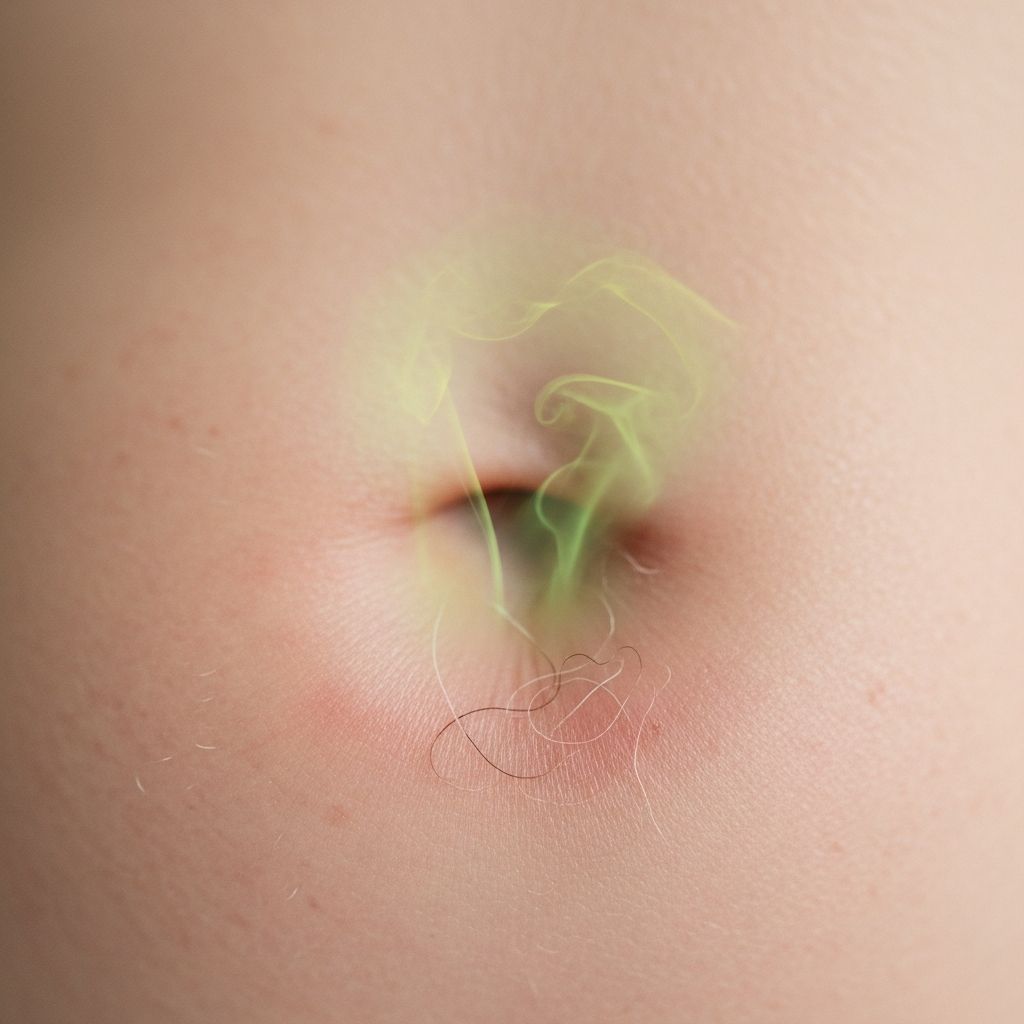
An unpleasant odor from your belly button can be embarrassing and concerning, often resulting from simple hygiene issues or more serious conditions like infections. Most cases resolve with proper cleaning, but persistent smells warrant medical attention to rule out underlying problems.
What Causes Belly Button Odor?
Your belly button, or navel, is a unique skin fold that can trap moisture, debris, and microorganisms, leading to foul smells. Bacteria and fungi thrive in this warm, moist environment, breaking down sweat, dead skin, and oils to produce odor similar to underarm smell.
The navel hosts dozens of bacterial species—up to 67 types according to research—creating a mini-ecosystem that multiplies when not cleaned regularly. Deeper “innie” belly buttons are particularly prone due to reduced airflow and harder access for cleaning.
Improper Hygiene
The most common culprit is buildup of dirt, lint, sweat, dead skin cells, and body oils. These substances feed resident bacteria, causing fermentation and stench. Even frequent showers may miss the navel’s crevices if not specifically targeted.
- Dirt and debris: Lint from clothing, dust, and skin flakes accumulate daily.
- Sweat and oils: Natural sebum and perspiration provide a breeding ground.
- Bacteria proliferation: Germs metabolize trapped matter, releasing volatile compounds.
People with deeper navels or larger body sizes face higher risk due to moisture retention and friction.
Infections
Bacterial or fungal overgrowth can turn mild odor into a strong, cheesy or musty smell, often with discharge. Symptoms include redness, swelling, itching, pain, and pus.
- Bacterial infections: Staphylococcus or other bacteria cause inflammation and foul pus.
- Yeast infections (Candidiasis): Candida fungus thrives in moist folds, especially in obese individuals or those with diabetes. Intertrigo, a Candida-related rash, produces a distinctive musty odor.
Untreated infections risk spreading, potentially leading to sepsis—a life-threatening systemic response.
Cysts and Stones
Infected epidermoid cysts under the skin can rupture, releasing smelly pus. These lumps are tender, red, and filled with keratin debris. Navel stones (omphaloliths), rare hardened masses of sebum and keratin, occur in deep navels, particularly in the elderly or obese, emitting a rancid odor when dislodged.
Piercings
Belly button piercings introduce trauma and metal, trapping bacteria around jewelry. Poor aftercare leads to infections with yellow/green discharge and strong smells. Allergic reactions to nickel exacerbate irritation.
Skin Conditions
Conditions like psoriasis or dermatitis cause flaking and inflammation, fostering bacterial growth. Sweat-heavy areas mimic foot or armpit odors when debris accumulates.
When to See a Doctor
Consult a healthcare provider if cleaning doesn’t resolve the odor, or if accompanied by:
- Discharge (white, yellow, green, or bloody)
- Swelling, redness, or warmth
- Pain, tenderness, or itching
- Fever or abdominal lump
- Crusting, scabs, or pustules
These signal infection or cyst needing antibiotics, antifungals, or drainage. Piercing-related issues may require removal.
Treatment Options
Treatment depends on the cause:
| Condition | Treatment |
|---|---|
| Hygiene-related | Daily cleaning with soap and water |
| Bacterial infection | Topical/oral antibiotics (e.g., mupirocin) |
| Yeast infection | Antifungal creams (e.g., clotrimazole, nystatin powder) |
| Infected cyst | Incision/drainage, antibiotics |
| Piercing infection | Jewelry removal, antibiotics |
Related Stories



For intertrigo, keep dry with powders and barrier creams. Severe cases may need prescription meds. Most resolve quickly with intervention, preventing complications.
Cleaning Your Belly Button
Proper cleaning prevents 90% of odor issues. Follow these steps in the shower:
- Wet the area thoroughly.
- Apply mild antibacterial soap to a soft cloth or finger.
- Gently scrub folds, lifting any lint or debris—avoid aggressive poking.
- Rinse completely to remove soap residue.
- Pat dry with a clean towel; use a hairdryer on cool if needed.
- For pierced navels, use saline soaks and rotate jewelry.
Frequency: Daily for innies, or as needed. Cotton swabs help in deep crevices.
Cleaning Tips
- Use fragrance-free soap to avoid irritation.
- Trim surrounding hair to reduce trapping.
- Avoid lotions/oils inside the navel.
Prevention Strategies
Maintain a odor-free navel long-term:
- Daily hygiene: Incorporate into showers; dry thoroughly.
- Clothing choices: Wear breathable cotton; avoid tight waistbands trapping sweat.
- Post-exercise care: Shower immediately to remove sweat.
- Piercing maintenance: Clean twice daily, use hypoallergenic jewelry.
- Weight management: Reduces skin folds and moisture.
- Diabetes control: High blood sugar promotes yeast growth.
Deep clean weekly if prone to buildup. Monitor for early signs.
Frequently Asked Questions (FAQs)
Is belly button smell a sign of poor hygiene?
Not always—deep navels trap debris despite regular washing. However, inadequate cleaning contributes significantly.
Can belly button infections be serious?
Yes, untreated ones can spread to sepsis. Seek prompt care for symptoms beyond odor.
How do I clean an infected belly button?
Don’t self-treat; see a doctor for meds. Gently clean externally meanwhile.
Why does my belly button smell after showering?
Soap may not reach crevices, or residue lingers. Use fingers/cloth for thoroughness.
Are outie belly buttons less prone to odor?
Yes, better airflow reduces moisture and bacterial growth compared to innies.
Outlook
Belly button odor is usually benign and fixable with hygiene tweaks. Persistent cases often indicate treatable infections. Early action ensures quick resolution and prevents recurrence. Consult professionals for personalized advice—most people regain a fresh navel effortlessly.
References
- Why Does My Belly Button Smell: Causes, Treatment, and More — Healthline. 2023-04-24. https://www.healthline.com/health/why-does-my-belly-button-smell
- Why does my belly button smell? Causes and how to clean it — Medical News Today. N/A. https://www.medicalnewstoday.com/articles/320706
- Why Does My Belly Button Smell? Causes and Solutions — MyObesityTeam. N/A. https://www.myobesityteam.com/resources/why-does-my-belly-button-smell-causes-and-solutions
- Why Does My Belly Button Smell? Why and How to Clean It — Baptist Health. N/A. https://www.baptisthealth.com/blog/family-health/why-does-my-belly-button-smell-why-and-how-to-clean-it
Similar Articles








Read full bio of medha deb