Why Does My Ear Hurt? Causes, Relief, And When To See A Doctor
Discover the common and uncommon causes of ear pain, from infections to pressure changes, and learn when to seek medical help.
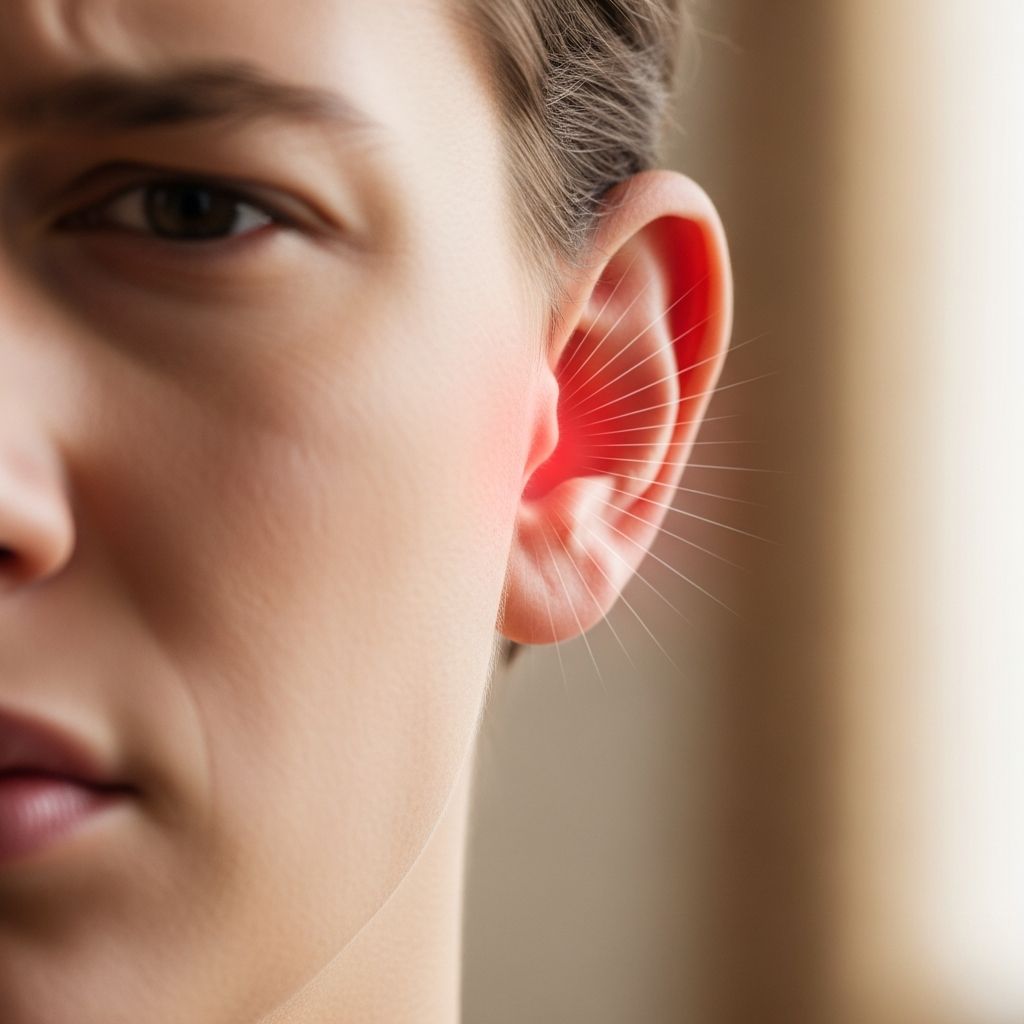
Ear pain, medically known as otalgia, affects millions annually and can range from a mild annoyance to severe discomfort disrupting daily life. It may originate directly in the ear (primary otalgia) or from nearby structures (secondary otalgia). Common culprits include infections, pressure changes, and jaw issues, but understanding the root cause is key to effective relief. This article delves into the anatomy of ear pain, explores diverse causes, outlines symptoms, treatments, and prevention tips, and guides you on when professional care is essential.
What Causes Ear Pain?
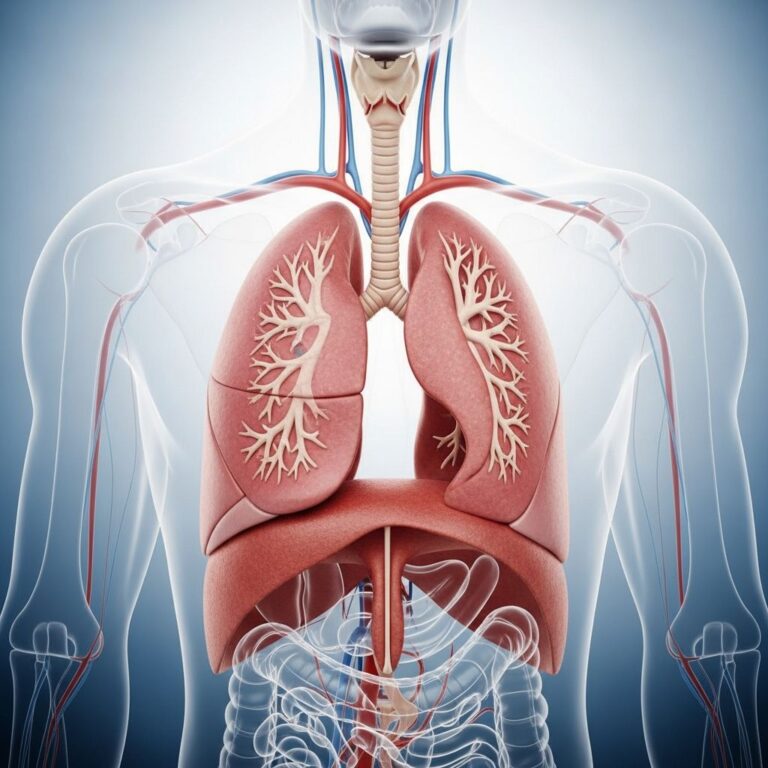
The ear consists of three parts: the outer ear (pinna and canal), middle ear (behind the eardrum with the ossicles), and inner ear (responsible for balance and hearing). Pain can arise from any section due to infection, inflammation, blockage, or trauma. Primary otalgia often shows visible ear abnormalities on exam, while secondary sources like dental or throat issues refer pain via shared nerves.
Middle Ear Infection (Otitis Media)
Otitis media is among the most frequent causes of ear pain, especially in children under 2, often following a cold that blocks the Eustachian tube—the narrow passage connecting the middle ear to the throat. Fluid buildup behind the eardrum leads to pressure, bacterial or viral infection, and sharp, throbbing pain worsening when lying down. Symptoms include fever, hearing loss, fullness sensation, irritability, and fluid drainage if the eardrum ruptures.
In adults, it may present with muffled hearing or balance issues. Most cases resolve spontaneously within days, but recurrent infections raise risks for hearing complications.
Swimmer’s Ear (Otitis Externa)
This outer ear canal infection thrives in moist environments, common after swimming, hence the name. Bacteria like Pseudomonas enter via tiny skin breaks, causing red, swollen canals with sharp pain on touching the ear or chewing. Additional signs: itching, discharge (clear to pus-like), and temporary hearing loss from swelling. Risk factors include aggressive ear cleaning, eczema, or diabetes.
Eustachian Tube Dysfunction
The Eustachian tube equalizes middle ear pressure; blockage from allergies, colds, or altitude changes (e.g., flying, diving) causes barotrauma—sharp pain, popping, or muffled hearing. Symptoms peak during descent in planes or scuba diving due to pressure mismatches stretching the eardrum. Yawning or swallowing may briefly relieve it by opening the tube.
Earwax Buildup
Excess cerumen (earwax) impacts the canal, blocking sound and pressuring the eardrum, leading to dull ache, itchiness, tinnitus, or hearing loss. It’s more prevalent in hearing aid users or those using cotton swabs, which push wax deeper.
Temporomandibular Joint (TMJ) Disorder
TMJ issues affect the jaw joint near the ear canal, referring pain as sharp or dull aches, especially when chewing, yawning, or speaking. Symptoms: jaw clicking, locking, headaches, or temple pain. Stress, grinding (bruxism), arthritis contribute; it’s often bilateral but can mimic ear infections.
Other Causes
- Foreign Objects: Kids often insert beads or insects, causing sudden sharp pain, redness, and discharge. Never probe; seek removal.
- Sinus Infections: Sinusitis inflames air cavities linked to nasal passages, referring pain to ears via shared pathways.
- Trauma: Cotton swabs, slaps, or pressure changes perforate eardrums, causing intense pain and bleeding.
- Referred Pain: Dental abscesses, sore throats, or neck issues send pain signals to ears due to nerve overlaps.
- Rare/Serious: Shingles (blistery rash, facial weakness), tumors, or malignant otitis externa in immunocompromised patients.
Related Stories



Symptoms of Ear Pain: What to Watch For
Earache varies: sharp/stabbing from pressure or infections, dull/throbbing from wax or TMJ. Accompanying signs signal severity:
- Fever over 100°F (38°C), chills, or malaise (infection).
- Discharge: clear (allergies), yellow/pus (bacterial), bloody (trauma).
- Hearing changes, tinnitus, dizziness, or balance loss.
- Facial swelling, severe headache, neck stiffness, or neurological symptoms (urgent).
- In kids: tugging ears, crying, poor sleep, fussiness.
| Symptom | Likely Cause | Urgency |
|---|---|---|
| Sharp pain + fever + discharge | Otitis media/externa | High if persistent |
| Pain on jaw movement | TMJ disorder | Moderate |
| Sudden pain + bleeding | Perforated eardrum | High |
| Muffled hearing + fullness | Wax or Eustachian block | Low-moderate |
Treatments and Home Remedies for Ear Pain
Most earaches self-resolve; focus on symptom relief while monitoring.
Home Remedies
- Pain Relief: Ibuprofen or acetaminophen reduces inflammation/pain. Warm compress (15 mins, 3-4x/day) soothes.
- Decongestion: Nasal saline sprays, steam, or OTC decongestants open Eustachian tubes.
- Wax Removal: Olive oil drops soften; avoid swabs. Professional irrigation if needed.
- Rest: Elevate head, chew gum on planes for pressure.
Medical Treatments
Depends on cause:
- Infections: Viral=supportive; bacterial=antibiotics (e.g., amoxicillin for otitis media).
- Otitis Externa: Antibiotic/steroid drops; keep ear dry.
- TMJ: Mouthguards, PT, stress management, Botox in severe cases.
- Surgery: Tubes for recurrent otitis, myringotomy for fluid.
Avoid antibiotics routinely; overuse breeds resistance.
Prevention Tips to Avoid Ear Pain
- Vaccinate against flu/pneumococcus.
- Breastfeed infants (protects Eustachian function).
- Use earplugs for swimming; dry ears thoroughly.
- Manage allergies with antihistamines.
- Skip cotton swabs; let wax self-clean.
- Chew during flights; avoid scuba if congested.
- Stress reduction for TMJ: mindfulness, avoid gum.
When to See a Doctor for Ear Pain
Seek care if:
- Pain >2-3 days, severe, or sudden.
- Fever >102°F, swelling, discharge, hearing loss.
- Post-trauma/foreign object.
- With dizziness, facial weakness, high-risk conditions (diabetes, immune issues).
- Infants <6 months or recurrent in kids.
Urgent ER: bleeding, severe symptoms, neurological signs.
Frequently Asked Questions (FAQs)
How long does ear pain from infection last?
Typically 3-7 days with supportive care; antibiotics shorten bacterial cases.
Can I fly with an earache?
Avoid if congested; use decongestants, chew gum. Delay if acute infection.
Is ear pain always an infection?
No—often pressure, wax, or TMJ. Exam differentiates.
Does cracking ears help?
Yawning/swallowing opens tubes temporarily; don’t force.
When is ear pain in kids an emergency?
High fever, lethargy, bulging eardrum, or drainage.
References
- Sharp pain in the ear: Causes, symptoms, and treatments — Medical News Today. 2023-10-12. https://www.medicalnewstoday.com/articles/sharp-pain-in-the-ear
- Earache (Ear Pain): Causes and Treatment — Patient.info. 2024-05-15. https://patient.info/ears-nose-throat-mouth/earache-ear-pain
- Ear Pain: Diagnosing Common and Uncommon Causes — PubMed (Am Fam Physician). 2018-01-15. https://pubmed.ncbi.nlm.nih.gov/29365233/
- Earache — MedlinePlus (U.S. National Library of Medicine). 2023-08-01. https://medlineplus.gov/ency/article/003046.htm
- Ear pain — Summer Health. 2024-02-20. https://www.summerhealth.com/topics/ear-pain
Similar Articles








Read full bio of Sneha Tete