Scalp Pain: A Complete Guide To Causes, Symptoms, And Relief
Discover the common causes of scalp pain, from stress and skin conditions to infections, and learn effective treatments for relief.
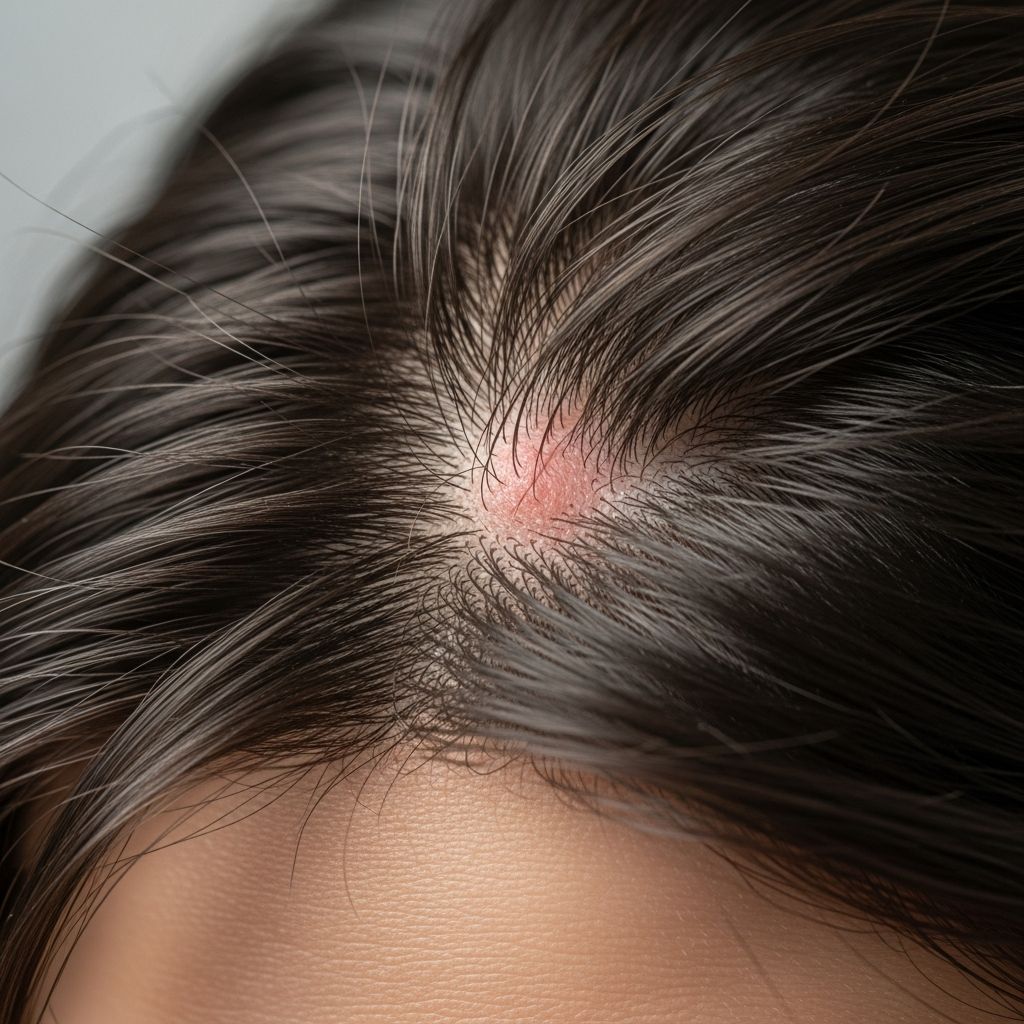
Scalp pain, often described as tenderness, burning, itching, or prickling, affects 25% to 70% of people, with women experiencing it more frequently than men. This discomfort can disrupt daily life, from brushing hair to simply lying down. Common culprits include skin conditions, infections, headaches, and stress-induced issues like trichodynia or sensitive scalp.
What Does Scalp Pain Feel Like?
Individuals with scalp pain report varied sensations, including sharp pain, burning, tingling, prickling like pins and needles, or a crawling feeling. These symptoms may worsen with touch, hair movement, or pressure from hats or styling. In severe cases, it accompanies hair shedding or visible scalp changes like redness or flaking. A 2023 review highlights that women report these issues 10% to 30% more often than men, linking it to hormonal and stress factors.
Common Causes of Scalp Pain
Scalp pain arises from multiple sources, ranging from benign irritations to underlying medical conditions. Understanding the root cause is key to effective relief.
Skin Disorders
Dermatitis tops the list of skin-related causes, involving general inflammation that leads to itchy rashes, swelling, blisters, crusts, or flakes. Triggers include metals, soaps, poison ivy, cosmetics, pollution, water, laundry detergents, and hair products. Contact dermatitis often presents as red, inflamed patches on the scalp.
Infections
Bacterial infections like folliculitis, furunculosis, and carbunculosis target hair follicles, causing painful, sore, warm lesions often on the back of the neck or scalp. Pus may form, and these can spread. Fungal infections such as tinea capitis (ringworm) and tinea versicolor are common in children, leading to hair loss, scaling, and itching.
Headaches and Vascular Issues
Tension headaches from stress, anxiety, or depression tense scalp muscles, radiating pain across the head. Temporal arteritis, an inflammation of the temporal artery, causes severe tenderness, jaw pain, headaches, and vision issues, primarily in older adults with polymyalgia rheumatica.
Hair Loss Conditions and Sensitive Scalp
Sensitive scalp, defined by pain, pricking, burning, or pruritus triggered by factors like brushing, affects those with hair loss. Telogen effluvium (TE) patients show significantly higher rates of sensitive scalp (p<0.001), pain (p=0.028), burning (p=0.018), pruritus (p=0.016), and trichodynia (p<0.001). Alopecia areata (AA) links to higher pruritus (p=0.0256) and trichodynia (p=0.0223). Trichodynia specifically describes painful or burning scalp sensations tied to hair follicles.
Stress and the Brain-Skin Axis
Stress plays a pivotal role via the brain-skin axis, where cortisol, inflammatory processes, and neuropeptides like substance P cause neurogenic inflammation. This irritates scalp nerves, leading to acne, dandruff, dermatitis, or trichodynia—even hair movement triggers pain due to dense nerve endings around follicles. Global studies confirm psychological distress as a key contributor.
Hormonal Fluctuations
Hormonal changes cause microinflammation around follicles, resulting in shedding, pain, and itching. This cycle irritates follicles, worsening symptoms, particularly in women during reproductive cycles or perimenopause.
Related Stories



Risk Factors for Scalp Tenderness
- Gender: Women report higher prevalence, possibly due to hormones and finer hair increasing sensitivity.
- Stress Levels: High stress upregulates inflammation and nerve sensitivity.
- Hair Loss: TE and AA strongly correlate with symptoms.
- Age: Children prone to fungal infections; older adults to temporal arteritis.
- Product Use: Harsh shampoos, dyes, or styling tools irritate skin.
How Is Scalp Pain Diagnosed?
Diagnosis starts with a medical history and physical exam, including scalp inspection under magnification, pull tests, trichoscopy, and modified wash tests for hair loss quantification. Blood tests rule out thyroid issues or hormonal imbalances. Doctors assess itch type, shedding, and stress. No visible abnormalities don’t rule out neurogenic causes like trichodynia.
Treatments for Scalp Pain
Treatment targets the underlying cause, combining home care, medications, and professional therapies.
Home Remedies and Lifestyle Changes
- Use gentle, fragrance-free shampoos and avoid irritants.
- Apply cool compresses to soothe inflammation.
- Manage stress with meditation, exercise, or therapy.
- Avoid tight hairstyles, heat tools, and chemical treatments.
- Moisturize with aloe vera or coconut oil for dryness.
Medications
- Topicals: Antifungal shampoos (e.g., ketoconazole) for tinea; corticosteroid lotions for dermatitis or folliculitis.
- Oral: Antibiotics for bacterial infections; low-dose antidepressants for severe trichodynia to interrupt stress-itch cycles.
- Anti-inflammatories: NSAIDs for tension headaches or arteritis (under medical supervision).
Professional Treatments
Tricopat therapy uses pressure, phototherapy, and mild steroids to stimulate scalp cells, reducing itch after one session and hair loss after four. It’s like rhythmic patting to promote healing.
| Condition | Treatment | Duration | Effectiveness |
|---|---|---|---|
| Dermatitis | Corticosteroid lotion | 1-2 weeks | High for inflammation |
| Folliculitis | Antibacterial shampoo | 7-10 days | Resolves lesions |
| Trichodynia | Low-dose antidepressants | Ongoing | Breaks itch-scratch cycle |
| TE/Sensitive Scalp | Tricopat therapy | 4 sessions | Halves hair loss |
When to See a Doctor
Seek medical help if pain persists beyond a few weeks, worsens, or includes severe hair loss, pus, fever, vision changes, jaw pain, or swelling. Early intervention prevents complications like scarring or chronic inflammation.
Prevention Tips
- Maintain scalp hygiene with mild products.
- Practice stress reduction daily.
- Monitor hormonal health via regular check-ups.
- Avoid sharing combs or hats to prevent infections.
- Protect scalp from sun with hats or SPF.
Frequently Asked Questions (FAQs)
Is scalp pain always a sign of a serious condition?
No, it often stems from treatable issues like dandruff or stress, but persistent symptoms warrant a check for infections or hair loss disorders.
Can stress really cause scalp tenderness?
Yes, via the brain-skin axis, stress triggers neurogenic inflammation and trichodynia, irritating nerves around follicles.
How long does scalp pain from telogen effluvium last?
It varies but improves with trigger resolution; TE patients report higher sensitive scalp prevalence.
Are there home remedies for trichodynia?
Gentle scalp massages, stress management, and avoiding irritants help; consult a doctor for persistent cases.
Does hair dye cause scalp pain?
It can trigger contact dermatitis or sensitivity; patch-test new products.
This comprehensive guide empowers you to address scalp pain effectively. Symptoms like burning or tenderness signal the body needs attention—start with gentle care and escalate to professionals as needed. (Word count: 1678)
References
- Can anyone save my scalp? Inside the rise of hair pain, stress and… — Women’s Health Mag UK. 2025 (approx., based on trends data). https://www.womenshealthmag.com/uk/beauty/hair/a69095296/scalp-sensitivity-hair-pain-stress-causes-treatments/
- Scalp Pain: Causes, Treatment, and More — Healthline (Medically reviewed by Debra Rose Wilson). 2019-03-08 (updated). https://www.healthline.com/health/scalp-tenderness
- Sensitive scalp: An epidemiologic study in patients with hair loss — PMC/NCBI (Peer-reviewed). 2022. https://pmc.ncbi.nlm.nih.gov/articles/PMC9527678/
Similar Articles








Read full bio of medha deb