Why Does Poop Smell? Causes and When to Worry
Understanding stool odor: from dietary factors to serious health conditions.
Why Does Poop Smell? Understanding Stool Odor
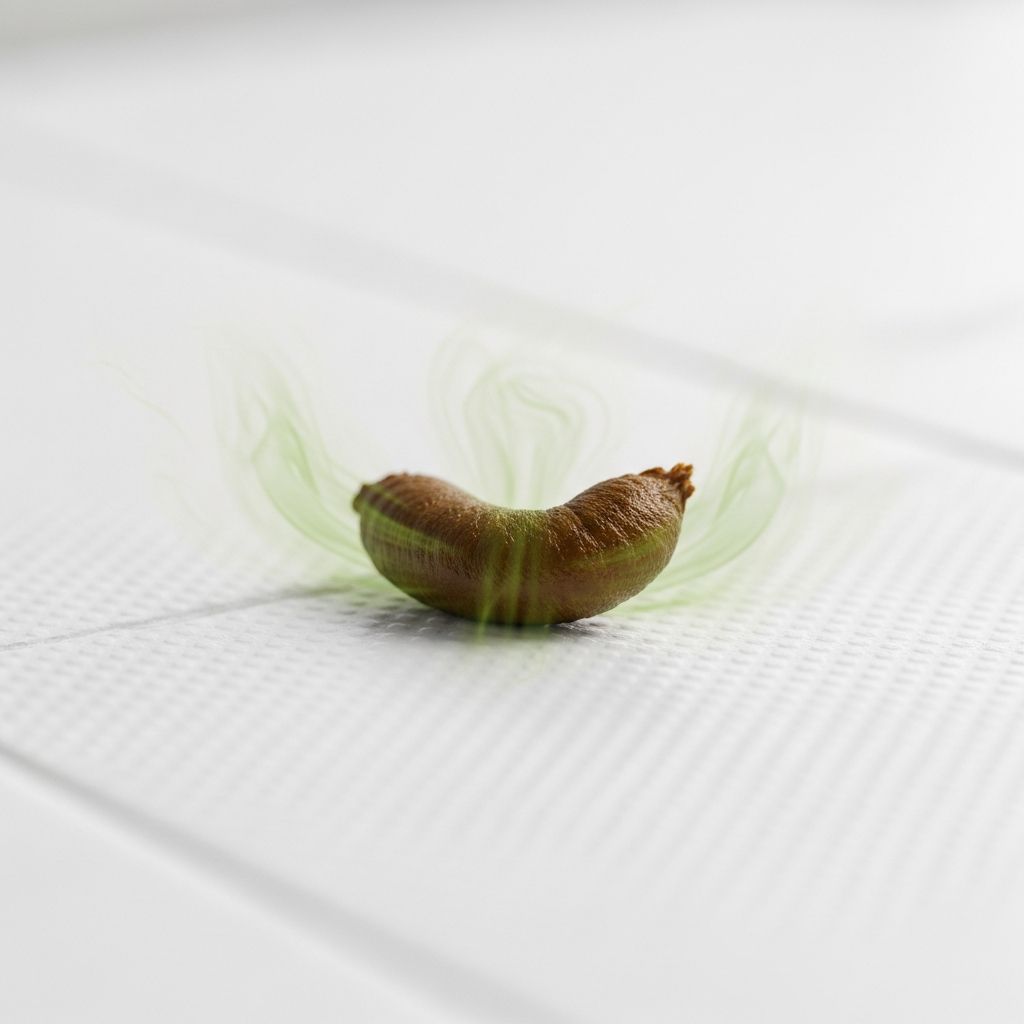
Stool odor is an inevitable part of digestive health, and while it’s not a pleasant topic, understanding what causes variations in smell can provide valuable insights into your overall wellness. The unpleasant smell associated with bowel movements is primarily caused by bacteria in the large intestine, also known as the colon. These bacteria play an essential role in breaking down food remnants and digesting materials that the small intestine couldn’t process. During this natural fermentation process, bacteria produce volatile organic compounds (VOCs)—gases and organic molecules that create the characteristic odor of stool.
In most cases, foul-smelling stool results from dietary choices rather than underlying medical conditions. However, persistent changes in stool smell can sometimes indicate infections, malabsorption disorders, inflammatory conditions, or other health concerns that warrant medical attention. Learning to distinguish between normal variations and warning signs is crucial for maintaining digestive health.
The Role of Bacteria and the Microbiome
Your colon hosts trillions of microorganisms that make up your gut microbiome. These “good bacteria” are essential for optimal digestion and overall health. According to gastroenterologist Dr. Sabine Hazan, your gut functions as a fermentation machine. When the microbiome is balanced, bacterial fermentation proceeds normally, resulting in typical stool odor. However, when your gut microbiome becomes imbalanced—a condition called dysbiosis—bacterial fermentation increases, leading to stronger, more offensive smells. This imbalance can indicate the presence of toxic bacteria or even gut infections.
The volatile organic compounds produced during fermentation include organic acids, alcohols, esters, heterocyclic compounds, aldehydes, ketones, and alkanes. These trace gases collectively create what we perceive as stool odor. Interestingly, research suggests that certain infections, such as Clostridium difficile, produce distinctly recognizable odors—so distinctive that healthcare workers can sometimes identify the infection based on smell alone, with studies showing 84% sensitivity and 77% specificity in some cases.
Common Dietary Causes of Foul-Smelling Stool
Dietary changes represent the most common cause of foul-smelling stool. Certain foods contain high levels of sulfur compounds, which bacteria break down into hydrogen sulfide and other malodorous gases. Understanding which foods contribute to stronger stool odor can help you make informed dietary choices.
Foods High in Sulfur Content
The following foods are known to increase stool odor due to their sulfur content:
- Proteins: Eggs are particularly sulfur-rich and commonly contribute to foul-smelling stool
- Dairy products: Milk, cheese, and other dairy can intensify stool odor, especially in individuals with lactose intolerance
- Aromatics: Garlic and onions contain significant sulfur compounds
- Legumes: Beans are high in sulfur and difficult to digest completely
- Cruciferous vegetables: Broccoli, cauliflower, cabbage, kale, Brussels sprouts, and related vegetables contain sulfur compounds and insoluble fiber that can increase fermentation and odor
- Root vegetables: Horseradish, radish, and turnips contribute to sulfur production
If you notice consistently foul-smelling stool after consuming these foods, reducing your intake may help normalize stool odor. However, these foods offer significant nutritional benefits, so elimination should be temporary and guided by symptom patterns rather than permanent avoidance.
Related Stories



Medical Conditions Associated with Foul-Smelling Stool
While dietary factors account for most cases of unpleasant stool odor, persistent foul-smelling stool can indicate underlying medical conditions. These conditions fall into several categories: infectious, inflammatory, malabsorption-related, and inherited disorders.
Infectious Causes
Intestinal infections caused by bacteria, viruses, or parasites frequently produce foul-smelling stool as a primary symptom. Common infectious agents include:
- Clostridium difficile: This antibiotic-resistant bacterium causes severe diarrhea and distinctively foul-smelling stool, often following antibiotic use
- E. coli: Pathogenic strains cause cramping, diarrhea (sometimes bloody), and vomiting
- Salmonella: This infection produces diarrhea, fever, and stomach cramps typically appearing 6-72 hours after exposure
- Shigella: Symptoms include diarrhea, fever, and stomach pain
- Giardia parasites: These parasites cause watery diarrhea and malabsorption
- Cryptosporidium parasites: Symptoms include watery diarrhea, weight loss, vomiting, and fever
Infectious causes typically present with additional symptoms such as diarrhea, abdominal cramping, fever, and sometimes blood in stool. If you suspect an intestinal infection, seek medical evaluation for proper diagnosis and treatment.
Inflammatory Bowel Diseases
Chronic inflammatory conditions affecting the digestive tract can produce persistently foul-smelling stool due to increased bacterial fermentation and malabsorption. These conditions include:
- Crohn’s disease: Causes inflammation throughout the digestive tract
- Ulcerative colitis: Inflammation limited to the colon and rectum
- Microscopic colitis: Inflammation visible only under microscopy
- Chronic pancreatitis: Impairs digestive enzyme production
These conditions often produce additional symptoms including abdominal pain, chronic diarrhea, weight loss, and blood in stool. Management typically involves medical treatment to control inflammation and dietary modifications.
Malabsorption Disorders
When your body cannot efficiently absorb nutrients from food, undigested food material passes into the colon, where bacteria ferment it excessively, producing foul-smelling stool. Common malabsorption disorders include:
- Celiac disease: Autoimmune reaction to gluten damages the small intestine
- Lactose intolerance: Inability to digest milk sugar
- Exocrine pancreatic insufficiency (EPI): The pancreas doesn’t produce adequate digestive enzymes, causing unusually foul-smelling bowel movements
Malabsorption disorders typically present with loose stools, weight loss despite adequate food intake, and nutritional deficiencies.
Inherited Conditions
Certain genetic disorders produce foul-smelling stool as a symptom. Cystic fibrosis, an inherited condition affecting mucus production in the lungs and digestive tract, commonly causes foul-smelling stool due to pancreatic insufficiency and malabsorption. Individuals with cystic fibrosis require specialized medical management and dietary intervention.
Associated Symptoms to Monitor
Foul-smelling stool may accompany other digestive symptoms that help identify underlying causes. These include:
- Changes in stool color (pale, dark, or black tarry stools)
- Diarrhea or constipation
- Floating stools (indicating malabsorption)
- Abdominal cramping or pain
- Bloating and flatulence
- Nausea or decreased appetite
- Belching
- Blood in stool
Black tarry stool with a strong smell may indicate upper gastrointestinal tract bleeding and requires immediate medical evaluation. Any combination of foul-smelling stool with severe abdominal pain, persistent diarrhea, or bloody stools warrants urgent medical attention.
When to Seek Medical Care
While occasional foul-smelling stool is rarely concerning, persistent changes warrant medical evaluation. Contact your healthcare provider if you experience:
- Persistent foul-smelling stool lasting more than a few days
- Foul-smelling stool accompanied by diarrhea, constipation, or abdominal pain
- Changes in stool color, especially black, tarry, or bloody stools
- Weight loss or signs of malnutrition
- Fever accompanying digestive symptoms
Seek immediate emergency care (call 911) if you experience severe abdominal pain, signs of significant bleeding, or symptoms suggesting intestinal obstruction or abscess.
Dietary Strategies to Minimize Stool Odor
If foul-smelling stool results from dietary factors, several strategies can help normalize odor while maintaining nutritional balance. The Crohn’s & Colitis Foundation recommends the following approaches:
- Eat smaller, frequent meals: Consume 4-6 small meals daily instead of 2-3 large portions to reduce fermentation burden
- Limit dairy products: Reduce milk and soft cheeses, especially if lactose intolerant
- Reduce ultra-processed foods: Minimize processed foods and unhealthy fats that impair digestion
- Moderate insoluble fiber: Temporarily reduce cruciferous vegetables and high-fiber foods if causing excessive fermentation
- Avoid sugar alcohols: Limit sorbitol and other artificial sweeteners that increase fermentation
- Lower caffeine and alcohol: Both can irritate the digestive tract and increase fermentation
These dietary modifications should be temporary adjustments while your digestive system rebalances. Gradually reintroduce restricted foods to identify specific triggers and maintain adequate nutrition.
Supporting a Healthy Microbiome
A balanced microbiome typically produces normal, stable stool odor. Supporting your gut bacteria includes:
- Consuming fermented foods: Yogurt, kefir, sauerkraut, and kimchi contain beneficial bacteria
- Eating prebiotic foods: Garlic, onions, asparagus, and bananas feed beneficial bacteria
- Staying hydrated: Adequate water supports digestive function
- Managing stress: Chronic stress impairs gut health
- Getting adequate sleep: Sleep supports immune function and microbiome balance
- Limiting antibiotics: Only use when medically necessary, as they disrupt the microbiome
Preventing Infectious Causes
Since infectious causes of foul-smelling stool can be serious, prevention is important. Maintain proper hygiene practices, including thorough handwashing after bathroom use and before eating. Maintain physical distance from individuals with known gastrointestinal infections, and practice food safety by properly storing and cooking foods.
Key Takeaways
Foul-smelling stool is most commonly caused by dietary choices, particularly consumption of sulfur-rich foods. However, persistent changes in stool odor can indicate infections, inflammatory conditions, malabsorption disorders, or inherited conditions requiring medical evaluation. Pay attention to accompanying symptoms, maintain good digestive health through diet and lifestyle choices, and seek professional medical advice when stool odor changes persist or accompanies other concerning symptoms. Your stool odor can provide valuable information about your digestive health—changes warrant attention but rarely indicate emergencies unless accompanied by severe pain, bleeding, or other warning signs.
Frequently Asked Questions
Q: Is it normal for poop to smell bad?
A: Yes, stool naturally has an unpleasant smell due to bacterial fermentation in the colon. However, sudden changes in odor intensity or quality warrant attention.
Q: What does it mean if my poop smells extremely bad?
A: Extremely foul-smelling stool may indicate an imbalanced microbiome, intestinal infection, malabsorption disorder, or consumption of foods high in sulfur. If accompanied by other symptoms, consult a healthcare provider.
Q: Can lactose intolerance cause foul-smelling stool?
A: Yes, lactose intolerance causes malabsorption of milk sugar, leading to excessive bacterial fermentation and foul-smelling stool.
Q: How long should I wait before seeing a doctor about stool odor?
A: If foul-smelling stool persists beyond a few days or is accompanied by pain, diarrhea, weight loss, or other symptoms, schedule a medical evaluation.
Q: Can stress affect stool smell?
A: Yes, stress impairs microbiome balance and digestive function, potentially contributing to changes in stool odor and digestive symptoms.
Q: What should I do if I have black, tarry stools with a strong smell?
A: Black, tarry stools may indicate upper gastrointestinal bleeding and require immediate medical evaluation. Call your healthcare provider or seek emergency care.
References
- Stool Odor: Why Does My Poop Smell So Bad? — Healthgrades. 2025. https://resources.healthgrades.com/right-care/digestive-health/why-does-my-poop-smell-so-bad
- Here’s the Scoop on Poop: 5 Things to Know — Banner Health. 2025. https://www.bannerhealth.com/healthcareblog/better-me/healthy-bowel-movements
- Diagnosing gastrointestinal illnesses using fecal headspace volatile organic compounds — National Institutes of Health. 2015. https://pmc.ncbi.nlm.nih.gov/articles/PMC4721995/
- Why Does Your Poop Smell Like That? — The Doctors. 2021. https://www.youtube.com/watch?v=2HuCp1v5YCo
Similar Articles








Read full bio of medha deb