Seasonal Affective Disorder Carb Cravings: 3 Scientific Reasons
Unravel the science behind winter carbohydrate cravings in seasonal affective disorder and discover effective strategies to manage them.
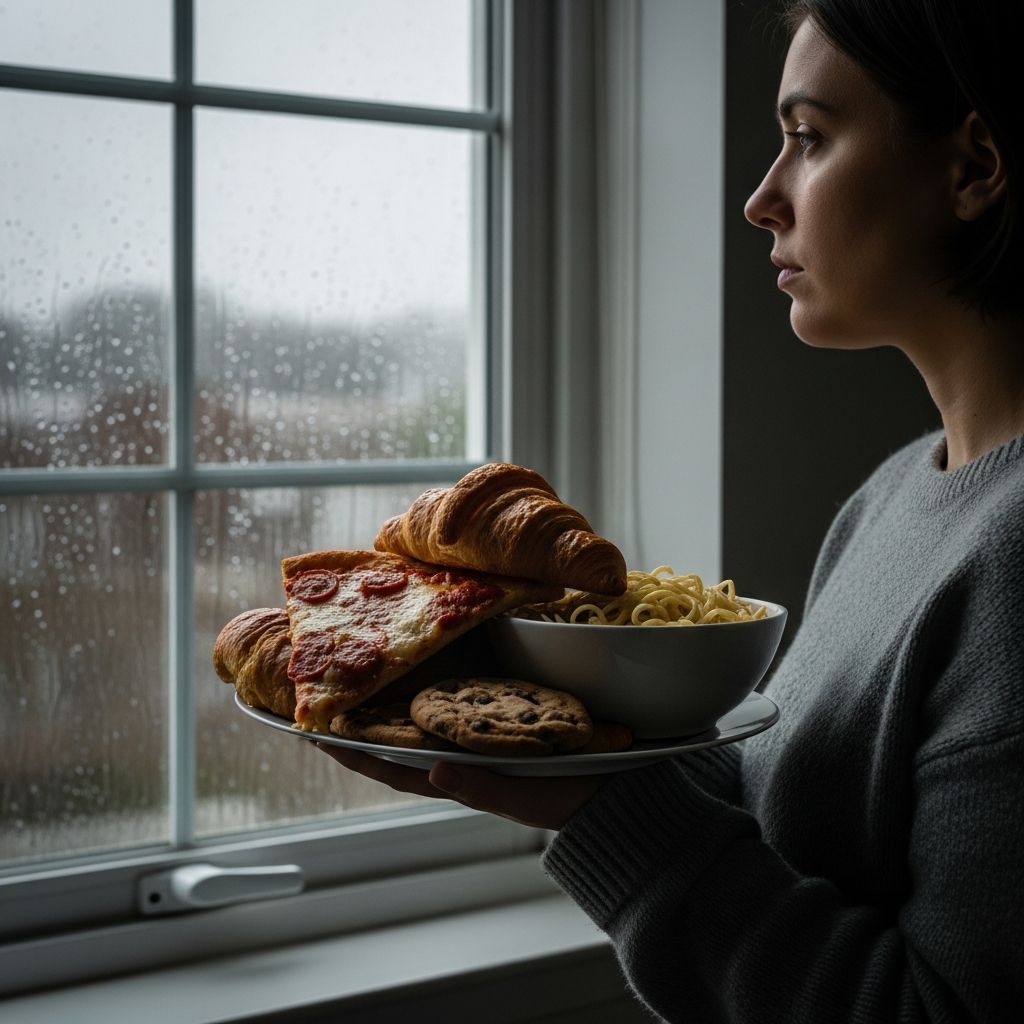
Seasonal affective disorder (SAD), often called the ‘winter blues,’ triggers intense cravings for carbohydrates as a core symptom, driven by the brain’s attempt to boost low serotonin levels amid reduced winter sunlight. This response explores the neurochemical mechanisms, seasonal taste changes, and practical management strategies, helping those affected understand and counteract these urges.
What is Seasonal Affective Disorder (SAD)?
Seasonal affective disorder is a type of depression that recurs predictably each year, most commonly starting in late fall or early winter and resolving in spring or summer. It affects millions worldwide, with symptoms including persistent low mood, loss of interest in activities, fatigue, hypersomnia, weight gain, and notably, increased appetite with a strong preference for carbohydrate-rich foods.
The reduced daylight hours in winter disrupt the body’s circadian rhythms and neurotransmitter balance, particularly serotonin and melatonin. Unlike typical depression, SAD features ‘atypical’ symptoms like overeating and oversleeping, which peak in winter and subside with longer days.
- Winter SAD symptoms: Low energy, irritability, social withdrawal, carbohydrate cravings, weight gain.
- Less common summer SAD: Insomnia, weight loss, agitation.
Diagnosis requires symptoms occurring for at least two consecutive winters without other explanations, emphasizing its seasonal pattern.
Core Symptoms of SAD: The Carb Craving Connection
Among SAD’s hallmark symptoms, carbohydrate cravings stand out, often leading to frequent snacking on bread, pasta, sweets, and starches. Individuals with SAD consume these foods more frequently than controls, with intake peaking in winter and dropping in summer.
These cravings are not mere indulgence; they represent the brain’s adaptive response to neurochemical deficits. People report feeling ‘driven’ to eat carbs, sometimes venturing out in harsh weather for specific treats, underscoring their intensity.
| Symptom | Winter Pattern in SAD | Comparison to Controls |
|---|---|---|
| Appetite | Increased, carb-focused | Higher frequency and volume |
| Sleep | Hypersomnia (10+ hours) | Extended duration |
| Mood | Low, irritable | Seasonal worsening |
| Weight | Gain from overeating | Associated with binges |
Cravings often intensify in the afternoon and evening, coinciding with cumulative daily stress and fading light.
Why Do We Crave Carbs Specifically in SAD?
The primary driver is serotonin dysregulation. In winter, reduced sunlight increases serotonin transporter activity, rapidly clearing serotonin from brain synapses, leading to mood instability and appetite shifts. Low serotonin signals the brain to seek carbs, which uniquely boost its production.
When carbohydrates are consumed, blood sugar rises, triggering insulin release. Insulin clears competing amino acids from the blood, allowing tryptophan—the serotonin precursor—to cross the blood-brain barrier more easily. Brain cells convert tryptophan to serotonin, providing a temporary mood and energy lift within 20 minutes.
Related Stories



Research confirms SAD patients prefer starches over sweets, eating more meals daily, especially breakfast and evening. This pattern aligns with serotonin’s role in regulating carb intake, as shown in MIT studies linking low serotonin to heightened winter cravings.
The Science Behind Taste Changes in SAD
Beyond serotonin, seasonal alterations in taste perception contribute to cravings. A study of 25 SAD patients and 23 controls found SAD individuals less sensitive to sweet tastes in winter, with thresholds normalizing in summer. Light therapy (10,000 lux for 2 weeks) did not alter this, suggesting it’s a seasonal adaptation rather than mood-dependent.
Reduced sweet sensitivity may amplify cravings, as the brain seeks stronger stimuli to detect pleasure from carbs. Sour and bitter thresholds also varied seasonally in SAD, but salt did not, indicating specific gustatory shifts tied to carb preference.
These changes support the ‘craving’ terminology, where diminished taste cues prompt overconsumption to achieve satisfaction.
Serotonin, Sleep, and the Vicious Cycle
SAD often clusters hypersomnia with carb cravings, both serotonin-linked. Extended sleep fails to refresh, leaving individuals exhausted and prone to emotional eating. High-carb intake causes blood sugar spikes and crashes, worsening fatigue and triggering more cravings—a self-perpetuating loop.
SAD patients exhibit higher binge eating, external cue-driven eating, and mood-regulated eating compared to controls. This disrupts appetite regulation, turning survival mechanisms into weight gain risks.
How Carbs Provide Temporary Relief
Eating carbs feels rewarding because it directly counters SAD’s deficits. The tryptophan-serotonin pathway offers quick relief: mood elevation, reduced anxiety, and brief energy. Obese carb cravers and SAD sufferers both report mood improvements post-consumption.
However, reliance on refined carbs exacerbates instability. Complex carbs with protein/fiber provide steadier serotonin boosts without crashes.
The Risks: Weight Gain and Worsening Symptoms
Unchecked cravings lead to significant weight gain, compounding SAD’s emotional toll. Blood sugar volatility mimics or intensifies depression symptoms, creating frustration as short-term fixes backfire.
- Increased meal frequency (more daily meals in winter).
- Binge patterns more common in SAD.
- Weight gain as a diagnostic criterion.
Managing Carb Cravings in SAD
Break the cycle with evidence-based strategies:
- Light Therapy: 10,000 lux morning light mimics sunlight, normalizing serotonin without taste threshold changes.
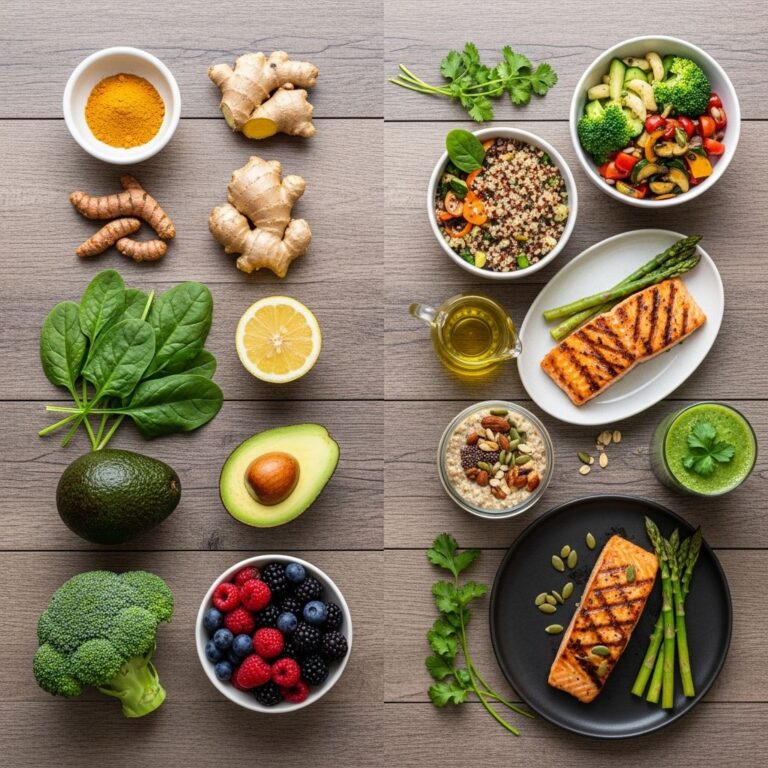
- Balanced Diet: Opt for complex carbs (whole grains, veggies) paired with protein to stabilize blood sugar and serotonin.
- Exercise: Boosts serotonin naturally, reducing cravings.
- Vitamin D: Sunlight deprivation lowers levels; foods or supplements may help serotonin production.
- Meal Timing: Frequent small meals prevent crashes; avoid afternoon carb binges.
Cognitive behavioral therapy (CBT) tailored for SAD addresses emotional eating.
When to Seek Professional Help
If cravings disrupt life, cause substantial weight gain, or accompany severe depression, consult a doctor. Rule out vitamin D deficiency or other conditions; antidepressants or therapy may be recommended.
Track symptoms seasonally to confirm SAD pattern.
Frequently Asked Questions (FAQs)
Q: Are carb cravings a sign of SAD?
A: Yes, especially if seasonal, peaking in winter with other symptoms like fatigue and mood changes.
Q: Does light therapy stop cravings?
A: It improves mood and serotonin but may not immediately alter taste thresholds; benefits build over weeks.
Q: Why starches over sweets?
A: SAD patients crave starches more, as they efficiently boost tryptophan uptake.
Q: Can diet alone manage SAD?
A: Complex carbs and balanced nutrition help, but combine with light therapy and exercise for best results.
Q: How common is weight gain in SAD?
A: Very common due to increased appetite and hypersomnia.
References
- Seasonal alteration in taste detection and recognition threshold in seasonal affective disorder — PubMed/NCBI. 1996-11-15. https://pubmed.ncbi.nlm.nih.gov/8930022/
- Winter Depression Carb Cravings & Sleep — Boise Ketamine Clinic. 2023 (accessed 2026). https://boiseketamineclinic.com/why-winter-depression-causes-carb-cravings/
- Seasonal affective disorder (SAD) – Symptoms & causes — Mayo Clinic. 2025-08-22. https://www.mayoclinic.org/diseases-conditions/seasonal-affective-disorder/symptoms-causes/syc-20364651
- Craving Carbs in Winter: Is It Depression? — WebMD. 2024. https://www.webmd.com/depression/features/carbohydrate-craving
- Carbohydrate cravings: a disorder of food intake and mood — PubMed/NCBI. 1988-09. https://pubmed.ncbi.nlm.nih.gov/3052812/
Similar Articles








Read full bio of medha deb