Flu Body Aches: Causes And 6 Expert Relief Strategies
Understanding the immune response behind flu-related muscle and joint pain.
Why Does the Flu Cause Body Aches?
When influenza strikes, the experience extends far beyond a simple cough or sore throat. Many people suffering from the flu experience significant body aches and muscle pain that can make even the simplest activities feel unbearable. These full-body aches are one of the hallmark symptoms of influenza, yet many people wonder about the biological mechanisms behind this uncomfortable experience. Understanding why the flu causes body aches can help you better manage symptoms and know when to seek medical attention.
The Immune System’s Response to Influenza
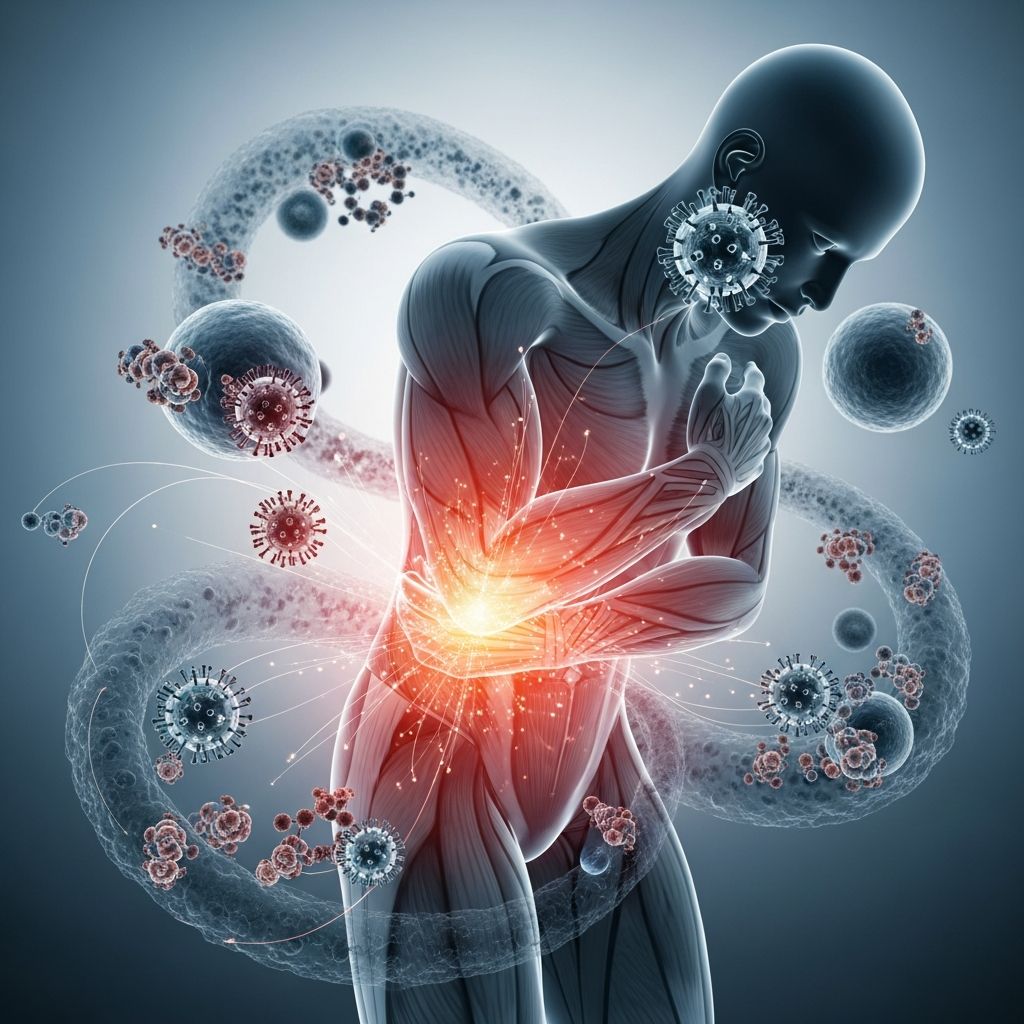
The body aches associated with the flu are not a direct result of the virus itself, but rather a consequence of your immune system’s response to the infection. When you contract the influenza virus, your body recognizes it as a threat and activates its defense mechanisms. Your immune system releases white blood cells and initiates a complex inflammatory cascade designed to fight off the invading pathogen. While this response is essential for recovering from infection, it also produces the uncomfortable symptoms we associate with being sick, particularly widespread muscle and joint pain.
Cytokine Release and Inflammation
One of the primary culprits behind flu-related body aches is the release of cytokines, which are small signaling proteins produced by immune cells. When your body detects the flu virus, immune cells release cytokines as chemical messengers to coordinate the immune response. These cytokines trigger inflammation throughout your body as your immune system works to eliminate the virus. While inflammation is a necessary part of fighting infection, it can cause significant discomfort. This inflammatory response leads to muscle soreness, joint aches, and generalized body pain that characterizes the flu experience.
The intensity of body aches often correlates with the strength of your immune response. A vigorous immune reaction, while ultimately beneficial for fighting the infection, can result in more pronounced body aches. This is why individuals with stronger immune systems sometimes experience more severe flu symptoms, though they may recover more quickly.
Lymph Node Swelling and Pressure
During a flu infection, your lymph nodes become enlarged as white blood cells gather to mount a defense against the virus. Lymph nodes are small glands throughout your body that filter fluid and contain immune cells. When fighting an infection, these nodes swell significantly as they work to produce and mobilize white blood cells. This swelling creates physical pressure and tenderness, particularly in areas like the neck, armpits, and groin. The inflammation and pressure from enlarged lymph nodes contribute to localized pain and discomfort that compounds the overall body ache sensation.
Fever and Muscle Stiffness
Fever is another common symptom of influenza that directly contributes to body aches. When your body temperature rises during a fever, several physiological changes occur that increase discomfort. Elevated body temperature causes your muscles to tense and contract, leading to stiffness and cramping sensations. Additionally, fever reduces blood flow to certain areas of your body, making muscles and joints more susceptible to pain and aching sensations.
An important aspect of fever-related body aches involves pain perception. During a fever, your body becomes more sensitive to pain signals. Your pain receptors become heightened, meaning the same level of inflammation or muscle tension feels more intense than it would at normal body temperature. This increased sensitivity explains why body aches often feel worse when you have a high fever and may improve as your temperature returns to normal.
Related Stories



Dehydration’s Role in Body Aches
Dehydration significantly contributes to body aches during the flu. Flu symptoms like fever, sweating, chills, and sometimes vomiting or diarrhea cause your body to lose substantial amounts of fluid. This fluid loss leads to dehydration, which affects multiple aspects of muscle and joint function. When your body lacks adequate hydration, muscles cannot contract and relax properly, leading to cramping and stiffness. Dehydration also disrupts your body’s temperature regulation system, making fever symptoms worse and intensifying the associated body aches.
Furthermore, dehydration reduces blood volume and oxygen delivery to muscles, which can amplify pain and fatigue. The electrolyte imbalances that accompany dehydration also interfere with normal muscle function, creating additional discomfort throughout your body.
Strategies for Alleviating Flu-Related Body Aches
While body aches during the flu can be extremely uncomfortable, several evidence-based strategies can help manage and reduce this pain. These approaches work by addressing the underlying causes of body aches while supporting your body’s recovery process.
Maintain Proper Hydration
One of the most important steps you can take is to drink plenty of fluids throughout the day. Proper hydration helps prevent dehydration-related muscle cramping and supports your body’s ability to fight infection. Water is essential, but you can also consume broth, herbal tea, electrolyte drinks, or warm soup. Electrolyte beverages are particularly helpful as they replace not just water but also essential minerals lost through sweating and other flu symptoms. Aim to drink fluids consistently throughout the day, even if you don’t feel particularly thirsty.
Rest and Sleep
Rest is crucial for your body’s recovery from influenza. Sleep strengthens your immune system and allows your body to focus energy on fighting the virus rather than maintaining other functions. When you rest, your muscles relax and recover from the tension and inflammation caused by infection. Research demonstrates a strong connection between sleep quality and immune function; getting adequate sleep enhances your body’s defense mechanisms and can accelerate recovery. Try to sleep as much as possible during your illness, and create conditions that promote restful sleep, such as a dark, quiet room and comfortable bedding.
Apply Heat Therapy
Heat is an effective tool for managing body aches during the flu. Warm baths, warm showers, or heating pads can help relax tense muscles and reduce pain sensations. The warmth increases blood flow to affected areas, which can alleviate stiffness and discomfort. Adding Epsom salts to a warm bath may provide additional relief, particularly for pain in the shoulders, neck, back, and head. However, be cautious with water temperature if you have a fever; excessively hot water can raise your core body temperature further. Keep bath water at a comfortably warm temperature rather than hot.
Gentle Stretching and Movement
While you may feel like staying completely immobilized, gentle stretching and light movement can actually help reduce stiffness and improve circulation. Simple activities like gentle yoga, easy stretching, or short walks can help loosen tight muscles and reduce joint discomfort. These activities should be low-intensity; the goal is to maintain some mobility and flexibility without overtaxing your recovering body. Stop any activity if you experience increased pain or symptoms.
Regulate Body Temperature
Managing fever effectively can reduce fever-related body aches significantly. Using fever-reducing medications like acetaminophen or ibuprofen can lower your body temperature and reduce the associated pain amplification. Additionally, using light bedding rather than heavy blankets helps regulate temperature. A cool (not cold) bath can also help bring down fever when your temperature is uncomfortably high. Avoiding excessive bundling up while fever is present helps your body maintain a more comfortable temperature.
Over-the-Counter Pain Relief
Nonsteroidal anti-inflammatory drugs (NSAIDs) such as ibuprofen are particularly effective for flu-related body aches because they reduce inflammation and block pain-causing chemicals produced by your body. Other options include acetaminophen-based pain relievers. These medications not only reduce body aches but can also help manage fever, which indirectly reduces pain perception. Follow package directions carefully and consult a pharmacist or doctor if you have questions about which medication is appropriate for your situation.
When to Seek Medical Attention
While body aches are a typical flu symptom that usually resolves within a few days with home care, certain situations warrant professional medical evaluation. If body aches persist beyond 5-7 days or worsen despite home treatment attempts, consult your primary care physician. Seek immediate medical attention if body aches are accompanied by:
- Severe chest pain or pressure
- Difficulty breathing or shortness of breath
- Confusion or altered mental status
- Severe headache with stiff neck
- Blue lips or face
- Severe or persistent vomiting
Additionally, if body aches appear after a tick bite, occur with a significant rash, or are accompanied by severe redness or swelling, medical evaluation is important to rule out other serious conditions like Lyme disease or other infections.
Prevention and Risk Factors
The best approach to flu-related body aches is preventing influenza infection in the first place. Annual flu vaccination significantly reduces your risk of contracting the virus and experiencing associated symptoms. Good hygiene practices like regular handwashing, covering your cough, and maintaining distance from sick individuals also help prevent flu transmission.
Certain individuals may experience more severe body aches when infected with influenza. Older adults, very young children, pregnant women, and individuals with chronic health conditions often experience more pronounced symptoms. People with compromised immune systems may also have different symptom patterns. Understanding your personal risk factors can help you take appropriate preventive measures and seek timely care if needed.
Frequently Asked Questions
Q: How long do body aches from the flu typically last?
A: Flu-related body aches typically resolve within 3-7 days as your immune system gains control over the infection and inflammation decreases. However, some residual fatigue and mild aching can persist for 1-2 weeks in some cases.
Q: Is it normal for body aches to be worse at night during the flu?
A: Yes, body aches often feel more pronounced at night because you’re more aware of your symptoms when resting, and inflammation markers can fluctuate throughout the day. Additionally, reduced activity and cooler temperatures at night can make muscles feel stiffer.
Q: Can I exercise to reduce body aches from the flu?
A: Light, gentle movement like easy stretching can help, but vigorous exercise should be avoided during active flu infection. Exercise places additional stress on your recovering body and can potentially prolong illness. Wait until you’ve recovered and felt well for at least 24 hours before resuming normal exercise routines.
Q: Are body aches a sign that the flu is improving?
A: Not necessarily. Body aches indicate your immune system is actively fighting infection, but they don’t indicate whether you’re improving or worsening. However, body aches that gradually decrease over several days usually signal recovery.
Q: Should I use hot or cold therapy for flu body aches?
A: Warm therapy is generally more effective for flu-related body aches as it promotes blood flow and relaxes muscles. Cold therapy is typically better for acute injury-related pain. However, if you have a very high fever, cool (not cold) therapy may provide comfort.
Q: Is dehydration the main cause of body aches during the flu?
A: No, dehydration is one of several factors. The primary cause is the inflammatory response from your immune system fighting the virus, but dehydration significantly compounds the problem by increasing muscle cramping and stiffness.
References
- Why your whole body aches when you’re sick and what you can do about it — UCLA Health. 2024. https://www.uclahealth.org/news/article/why-your-whole-body-aches-when-youre-sick-and-what-you-can-do-about-it
- Why Body Pain Is Common Among People With the Flu — Unilab. 2025. https://www.unilab.com.ph/products/bioflu/articles/why-body-pain-is-common-among-people-with-the-flu
- Influenza-associated myalgia and immune response — National Center for Biotechnology Information (NCBI). https://pmc.ncbi.nlm.nih.gov/articles/PMC8310017/
- Why Do Muscles and Joints Ache During Flu — Loma Linda University. https://news.llu.edu/health-wellness/why-do-muscles-joints-ache-during-flu
- The Flu and Body Aches: Understanding Myalgia — Verywell Health. 2024. https://www.verywellhealth.com/the-flu-and-body-aches-770313
Similar Articles








Read full bio of Sneha Tete