Why Does Turkey Make You Sleepy? Expert Tips To Avoid The Crash
Unpacking the myth of turkey-induced sleepiness and revealing the real reasons behind post-Thanksgiving drowsiness.
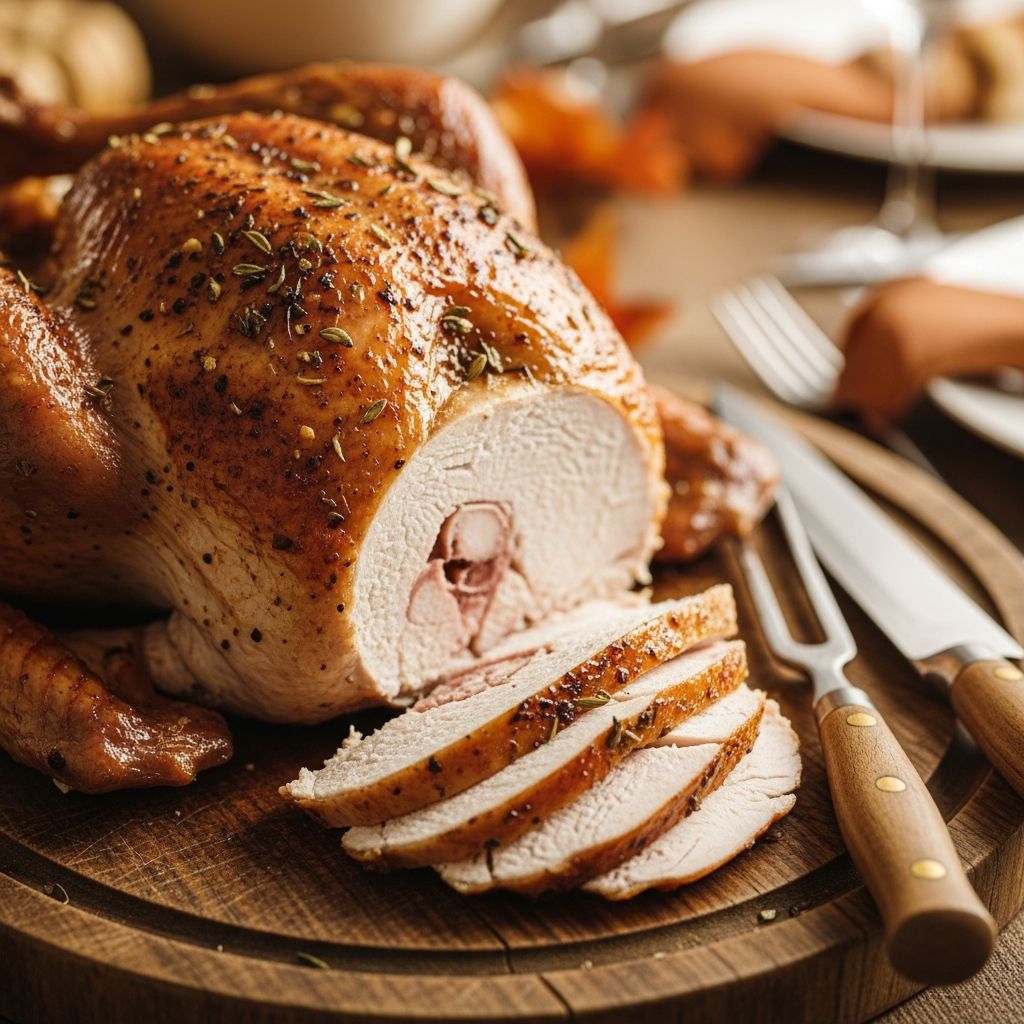
The notion that turkey causes post-meal sleepiness, especially after Thanksgiving dinners, is a persistent myth rooted in its tryptophan content. In reality, turkey alone does not induce drowsiness; factors like high carbohydrate intake, overeating, alcohol, and digestion play larger roles.
What Is Tryptophan?
Tryptophan is an essential amino acid that the body cannot produce on its own and must obtain from food. It serves as a precursor to serotonin, a neurotransmitter that regulates mood, and melatonin, a hormone that governs sleep-wake cycles.
Foods rich in tryptophan include turkey, chicken, beef, fish, nuts, cheese, and beans. A typical 3-ounce serving of turkey provides 250-310 milligrams of tryptophan, comparable to or less than chicken or other sources.
Does Tryptophan in Turkey Cause Sleepiness?
No, the tryptophan in turkey does not significantly contribute to sleepiness. Turkey contains no more tryptophan than many other proteins, and consuming it in a meal context dilutes its effects due to competition from other amino acids.
To reach the brain and convert to serotonin or melatonin, tryptophan must cross the blood-brain barrier. However, it competes with other amino acids from the meal, reducing its uptake. This ‘Black Friday crowd’ analogy illustrates how tryptophan lacks priority access.
Isolated tryptophan supplements might promote relaxation, but whole turkey in a festive meal does not. People eat turkey sandwiches daily without drowsiness, underscoring that turkey alone isn’t the culprit.
Why Do You Really Get Sleepy After Thanksgiving Dinner?
The post-Thanksgiving slump stems from multiple factors beyond turkey:
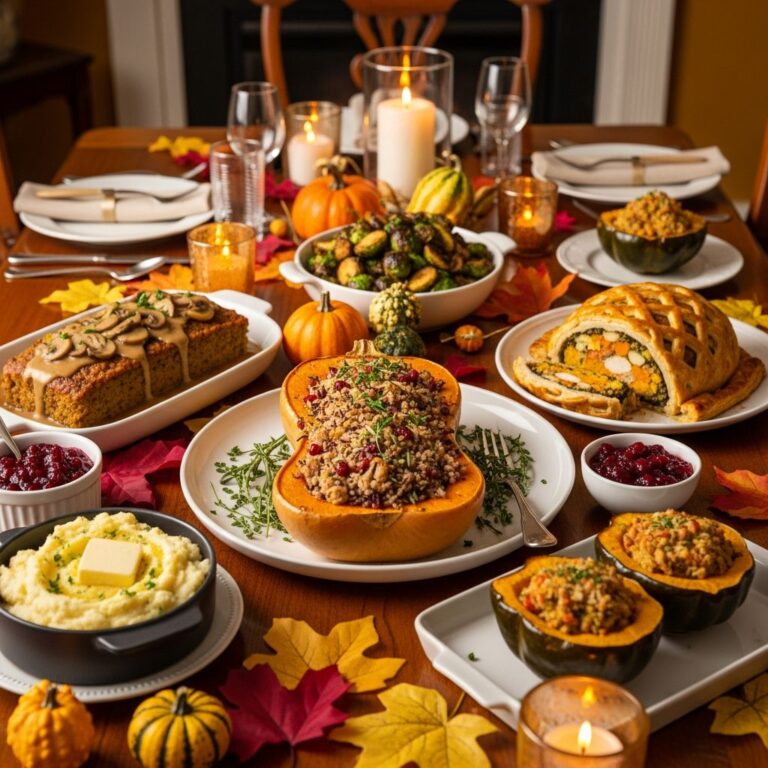
- Carbohydrate Overload: Staples like stuffing, mashed potatoes, rolls, candied yams, and desserts are high-glycemic carbs. They cause rapid blood sugar spikes followed by insulin surges, leading to crashes that induce fatigue.
- Overeating: Thanksgiving meals often exceed 4,000 calories—double the average daily needs. This diverts blood flow to digestion, flooding the body with satiety hormones like leptin while suppressing alertness hormones like orexin.
- Alcohol Consumption: Holiday drinks act as depressants, amplifying tiredness.
- Stress and Seasonal Factors: Preparation stress, travel, and shorter winter days contribute to exhaustion.
- Insulin’s Role: High insulin from carbs promotes fat storage, regulates fullness via leptin and ghrelin, and enhances relaxation.
Even plant-based alternatives like Tofurkey cause similar drowsiness, proving it’s not turkey-specific.
Turkey Tryptophan vs. Other Foods
| Food (3 oz serving) | Tryptophan (mg) |
|---|---|
| Turkey | 250-310 |
| Chicken | ~300 |
| Beef | ~250 |
| Salmon | ~300 |
| Cheese (1 oz) | ~400 |
| Almonds (1 oz) | ~200 |
This table shows turkey’s tryptophan levels are unremarkable. Daily consumption of these foods doesn’t cause naps, unlike carb-heavy feasts.
How to Avoid the Post-Meal Crash
Prevent drowsiness with mindful strategies:
- Eat smaller, balanced meals throughout the day to avoid extreme hunger.
- Control portions: Take small servings and return for favorites if needed.
- Eat slowly to allow fullness signals to reach the brain.
- Opt for low-carb choices: Prioritize proteins, veggies, and limit starches.
- Limit alcohol and hydrate well.
- Take a 30-minute post-meal walk to aid digestion and stabilize blood sugar.
- Aim for 7-8 hours of quality sleep beforehand, despite holiday disruptions.
Related Stories



Low-carb Thanksgiving approaches, like those used by experts, allow enjoying turkey without fatigue.
Frequently Asked Questions (FAQs)
Does turkey have more tryptophan than chicken?
No, turkey has slightly less or comparable tryptophan to chicken (250-310 mg vs. ~300 mg per 3 oz).
Can I eat turkey without getting sleepy?
Yes, in moderation without carb overload or alcohol, turkey won’t cause drowsiness.
Why don’t I get sleepy from turkey sandwiches?
Sandwiches include fewer carbs and smaller portions; no massive carb-insulin spike occurs.
Is the sleepiness inevitable on Thanksgiving?
No, mindful eating, portion control, and light activity can keep you alert.
What role does melatonin play?
Melatonin from tryptophan aids sleep regulation, but meal competition prevents significant brain conversion.
Expert Insights on the Myth
Christopher Smith, Ph.D., MSN, RN, from UNC Charlotte, states unequivocally: ‘Eating turkey does not make you sleepy.’ He attributes it to carbs and overeating.
John Redden, UConn physiology professor, calls it ‘pseudoscience,’ emphasizing amino acid competition and orexin suppression.
Orlando Health experts highlight carbs diverting blood to digestion and alcohol’s role.
These views align: The turkey myth distracts from real causes like the 4,000+ calorie feasts triggering hormonal shifts toward rest.
Historical Context of the Myth
The turkey-tryptophan link gained traction in the 1980s via media reports oversimplifying serotonin’s role. Despite debunking, it persists due to confirmation bias during indulgent holidays.
Health Implications Beyond Sleepiness
Repeated carb-insulin rollercoasters may affect long-term metabolic health, per cardiometabolic research. Mindful holidays support better blood sugar control and energy.
In summary, blame the feast’s carbs, volume, and extras—not the turkey—for that nap urge. Adjust habits for enjoyable, alert celebrations.
References
- The Truth About Tryptophan and Thanksgiving Turkey Tiredness — UNC Charlotte Inside. 2024-11-22. https://inside.charlotte.edu/2024/11/22/the-truth-about-tryptophan-and-thanksgiving-turkey-tiredness/
- Sleepy After the Thanksgiving Feast? Don’t Blame the Turkey — Orlando Health. (Recent, no exact date; aligns with 2024-2026 recency). https://www.orlandohealth.com/content-hub/sleepy-after-the-thanksgiving-feast-dont-blame-the-turkey/
- Thanksgiving Turkey Makes You Sleepy? Gobbledygook — UConn Today. 2017-11-XX (authoritative expert interview, evergreen science). https://today.uconn.edu/2017/11/thanksgiving-turkey-makes-sleepy-dont-believe/
Similar Articles








Read full bio of medha deb