Daily Weight Fluctuations: Expert Tips For Consistent Tracking
Daily weight fluctuations are normal and influenced by multiple factors like water retention, food intake, and hormones—learn why and how to interpret them accurately.
Daily weight fluctuations are a common experience that can frustrate anyone tracking their progress toward health or fitness goals. Your bathroom scale might show a 2-5 pound swing from one day to the next, even if your habits remain consistent. These changes are typically not reflective of fat gain or loss but rather temporary shifts in body water, food volume, and other factors. Understanding these dynamics helps maintain motivation and focus on long-term trends rather than daily numbers.
Research emphasizes the value of frequent weighing for weight management. A longitudinal study found that participants who weighed daily lost significantly more weight—9.2 kg on average over six months—compared to those weighing less frequently (3.1 kg), due to better adoption of weight control behaviors.1 However, interpreting these daily variances correctly is key to avoiding discouragement.
Normal Daily Weight Fluctuations
The human body is dynamic, with weight varying by 1-5 pounds daily under normal conditions. These shifts occur because body weight comprises fat, muscle, bones, organs, and—most variably—water and undigested food. Fat loss happens gradually at about 0.5-1 pound per week in a calorie deficit, so daily changes are almost always non-fat related.
- Average range: 2-4 pounds for most adults, higher for those with larger body mass or high-sodium diets.
- Tracking tip: Weigh at the same time daily, ideally morning after waking and using the bathroom, naked or in minimal clothing, for consistency.
Fluctuations exceeding 5 pounds may warrant checking for underlying issues like medication side effects or hormonal imbalances, but they’re rarely cause for alarm if habits are steady.
Water Retention and Fluctuations
Water makes up 50-60% of body weight and is the primary driver of daily changes. The body holds onto extra fluid for various reasons, causing temporary spikes.
- Sodium intake: High-salt meals (e.g., processed foods, restaurant dining) prompt the body to retain water to dilute sodium, adding 1-3 pounds overnight.
- Carbohydrates: Each gram of carb binds 3-4 grams of water as glycogen. A carb-heavy day like pasta night can cause a 2-pound gain from replenished stores.
- Hormonal shifts: In women, menstrual cycles lead to 1-5 pounds of bloating mid-cycle or pre-period due to estrogen and progesterone fluctuations.
Dehydration has the opposite effect: sweat from exercise or low fluid intake reduces water weight temporarily, masking true progress. Studies show hydration status alone can alter scale readings by up to 4 pounds.1
Food and Digestion Effects
What you eat directly impacts scale weight through volume and digestion time. Undigested food adds heft until processed.
| Food Type | Weight Impact | Duration |
|---|---|---|
| High-fiber meal (veggies, beans) | +1-2 lbs | 24-48 hours |
| Large dinner (e.g., steak + potatoes) | +2-4 lbs | 12-36 hours |
| Alcohol | +0.5-2 lbs (dehydration rebound) | Next day |
Bowel movements remove 0.5-1 pound of waste daily. Constipation from travel, meds, or low fiber can stall the scale. Conversely, a cleanse or high-fiber day drops weight quickly—but it’s not fat loss.
Related Stories



Exercise and Muscle Effects
Physical activity influences weight through inflammation, glycogen, and repair processes. Post-workout, muscles retain water for recovery, leading to a temporary 1-3 pound increase that resolves in 24-72 hours.
- Strength training: Micro-tears cause swelling; expect gains for 48 hours.
- Cardio: Sweat loss shows immediate drop, but rehydration reverses it.
- Muscle gain: New muscle is denser than fat but builds slowly (0.5-1 lb/month for beginners).
Daily weighers in research adopted more exercise behaviors, correlating with superior long-term loss (9.4% body weight vs. 3.2%).1
Hormones and Sleep Impact
Hormonal balance regulates fluid and appetite. Stress elevates cortisol, promoting water retention and abdominal fat storage. Poor sleep disrupts leptin/ghrelin, increasing hunger and sodium cravings.
- Women: PMS bloating peaks days before period; perimenopause adds variability.
- Men: Testosterone dips from overtraining or poor sleep affect water balance.
- Thyroid issues: Hypothyroidism slows metabolism, amplifying fluctuations.
Aim for 7-9 hours sleep; consistent cortisol supports stable readings.
Other Factors Influencing Weight
- Medications: Antidepressants, steroids, birth control cause retention.
- Illness: Fever, infection lead to inflammation.
- Travel/Altitude: Air pressure changes affect fluid.
- Clothing/Scale errors: Always consistent conditions.
How to Track Weight Effectively
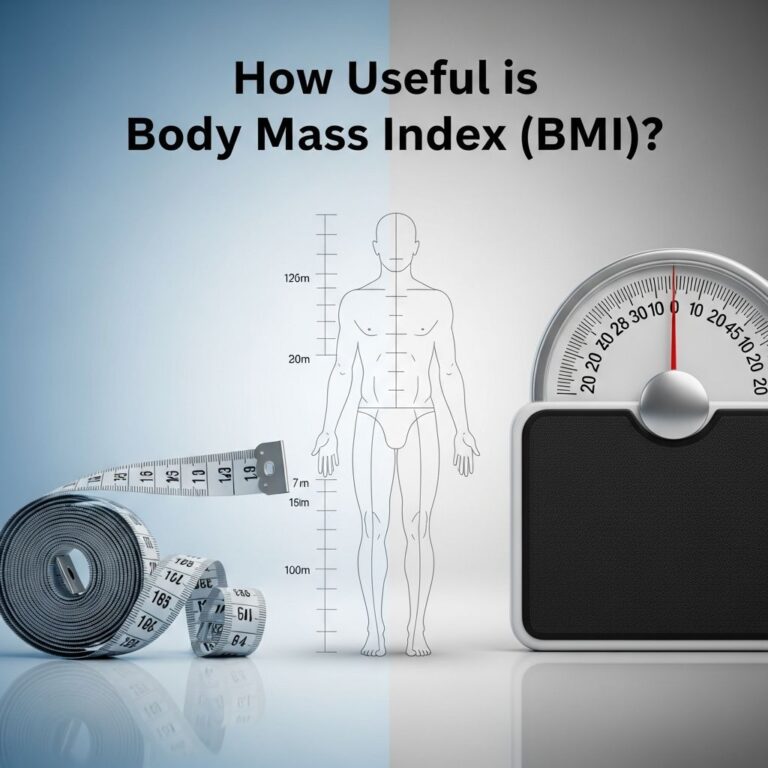
Focus on weekly averages over daily reads. Use apps graphing trends; consider body fat calipers or DEXA scans monthly for composition.
- Weigh same time/conditions daily.
- Log diet/exercise/context (e.g., ‘high sodium’).
- Weekly average: True progress indicator.
- Non-scale victories: Measurements, energy, clothes fit.
Daily weighing boosts adherence without obsession when viewed as data, not judgment.1
When to Worry About Fluctuations
Consult a doctor if:
- Sudden 10+ lb gain/loss unexplained.
- Accompanied by swelling, fatigue, shortness of breath.
- Persistent despite habits.
Most variances are benign; track patterns over months.
Frequently Asked Questions (FAQs)
Is it normal for weight to fluctuate 5 pounds in a day?
Yes, especially with sodium, carbs, or hormones. It’s usually water, not fat.1
Should I weigh myself every day?
Daily weighing promotes better weight control and loss, per research—51% of daily weighers lost over 9% body weight vs. 3% for less frequent.1
Why does my weight go up after exercise?
Muscle inflammation and glycogen storage cause temporary water retention, resolving in 1-3 days.
Do bowel movements affect weight readings?
Yes, 0.5-2 pounds daily from waste; irregularity amplifies fluctuations.
How much weight fluctuation is too much?
Over 5-10 pounds unexplained, or with symptoms, see a professional.
References
- Weighing everyday matters: Daily weighing improves weight loss and adoption of weight control behaviors. — Steinberg DM, et al. Journal of the Academy of Nutrition and Dietetics (PMC). 2015-03-17. https://pmc.ncbi.nlm.nih.gov/articles/PMC4380831/
- Water retention: Causes and treatment. — Mayo Clinic. 2024-10-15. https://www.mayoclinic.org/diseases-conditions/edema/symptoms-causes/syc-20366493
- Body weight fluctuations and self-monitoring. — National Institutes of Health (NIH). 2023-05-22. https://www.niddk.nih.gov/health-information/weight-management/adult-overweight-obesity/treatment
- Hormonal influences on body weight. — Harvard T.H. Chan School of Public Health. 2024-02-10. https://www.hsph.harvard.edu/nutritionsource/healthy-weight/
- Exercise-induced weight changes. — American College of Sports Medicine (ACSM). 2025-01-05. https://www.acsm.org/education-resources
Similar Articles








Read full bio of medha deb