Stomach Growling: Causes And 7 Easy Fixes For Gut Rumbling
Discover the science behind stomach growling, from normal hunger signals to when it might indicate a health issue.
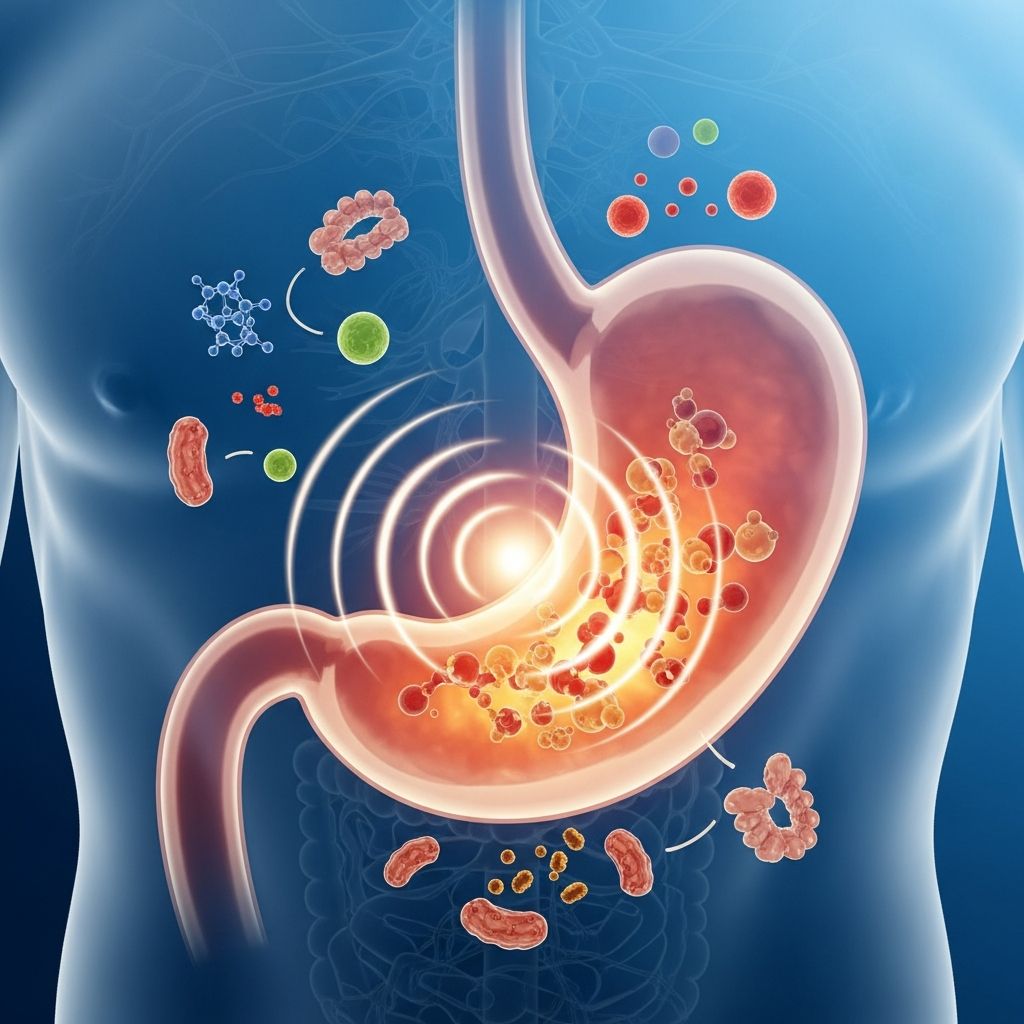
Stomach growling, medically known as
borborygmi
, is the rumbling or gurgling sound produced by your digestive system. These noises occur due to the movement of gas, fluids, and food through the intestines via peristalsis—the wave-like muscle contractions that propel contents through the gut. While often associated with hunger, borborygmi happens regardless of whether your stomach is empty or full, as the digestive tract remains active even during fasting periods.Peristalsis continues every 90 minutes or so, mixing digestive juices and preparing for food intake, which can amplify sounds when the gut is emptier. These noises are normal and typically harmless, but excessive or painful growling may point to underlying issues like food intolerances or infections.
What Causes Stomach Growling?
The primary driver of stomach growling is
peristalsis
, where intestinal muscles contract to move contents along. This process generates sounds as air and fluids shift, especially audible when there’s less food to muffle them. Here’s a breakdown of common causes:- Hunger: When empty, the stomach and intestines contract more noticeably, signaling the brain via hormones to eat. Ghrelin, the ‘hunger hormone,’ triggers these contractions.
- Digestion in Progress: After eating, enzymes and fluids break down food, causing gas bubbles to form and burst, producing gurgles that can last hours or even overnight.
- Gas and Air: Swallowed air (aerophagia) from eating quickly, chewing gum, or drinking through straws mixes with gut bacteria fermenting food, leading to louder rumbles.
Borborygmi isn’t just from the stomach; sounds often originate from the small intestine. Factors like stress amplify it, as anxiety boosts gut motility.
Is Stomach Growling a Sign of Hunger?
Yes, growling frequently signals
hunger
, even if you ate recently. The body maintains peristalsis cycles independently of meals to keep the gut primed. An empty stomach allows clearer sound transmission, mimicking a drum.However, it’s not exclusively hunger-related. Noises persist post-meal during digestion or due to slow gastric emptying. Studies from the International Foundation for Gastrointestinal Disorders note that these sounds are a byproduct of normal GI function, not always tied to an empty belly.
When Stomach Growling Indicates a Problem
Occasional growling is benign, but
persistent or hyperactive sounds
(louder, more frequent) with symptoms warrant attention. Potential issues include:- Food Intolerances/Allergies: Lactose, gluten, or fructose malabsorption ferments undigested carbs, producing excess gas.
- Irritable Bowel Syndrome (IBS): Altered motility causes loud borborygmi, bloating, and pain.
- Infections or Blockages: Gastroenteritis, ileus (paralyzed gut), or obstructions increase noises alongside diarrhea, fever, or constipation.
- Inflammatory Conditions: Crohn’s disease, ulcerative colitis, or celiac disease lead to hyperactive bowels.
**Symptoms to monitor:** High-pitched sounds, blood in stool, unexplained weight loss, nausea, vomiting, or unrelenting pain. These may signal serious issues like GI bleeding or dumping syndrome. Hypoactive (reduced) sounds can indicate ileus.
Related Stories



| Normal Growling | Concerning Growling |
|---|---|
| Occasional, no pain | Frequent, with pain/diarrhea |
| Tied to meals/hunger | Constant, unrelated to eating |
| Muffled rumble | High-pitched or explosive |
How to Stop or Reduce Stomach Growling
Lifestyle tweaks can quiet borborygmi effectively. Strategies include:
- Eat Regularly: Small, frequent meals prevent extreme emptiness. Snacks like nuts or yogurt buffer sounds.
- Chew Thoroughly: Slow eating reduces swallowed air and aids digestion from the mouth onward.
- Avoid Gas Triggers: Limit beans, broccoli, carbonated drinks, fructose (sorbitol in gums), and artificial sweeteners.
- Portion Control: Smaller meals ease digestive load, especially fatty or sugary ones that slow emptying.
- Stay Hydrated and Active: Water prevents constipation; post-meal walks promote motility without excess noise.
- Limit Irritants: Cut alcohol, caffeine, acidic foods (citrus, coffee), which inflame the lining and boost acid.
- Manage Stress: Techniques like deep breathing calm gut hyperactivity during anxiety.
For intolerances, elimination diets help identify culprits—remove one item weekly. Probiotics may balance gut bacteria, reducing gas.
Stomach Growling on an Empty Stomach
Growling on an empty stomach stems from
ongoing peristalsis
and acid/enzyme release preparing for food. Without solids to dampen, sounds amplify. Hormonal signals like ghrelin exacerbate contractions.This is normal but can be embarrassing. A small snack silences it temporarily by filling the space. Nighttime growls often reflect dinner digestion or mild hunger.
Loud Stomach Noises: What Do They Mean?
**Loud or hyperactive bowel sounds** indicate increased activity, often from diarrhea, infections, or IBS. High-pitched ‘tinkling’ via stethoscope suggests fluid rush, possibly obstruction.
Normal volume varies by person, but sudden changes signal issues. Others can hear loud ones, especially in quiet settings.
When to See a Doctor for Stomach Growling
Consult a professional if growling persists despite remedies or accompanies:
- Severe pain, bloating, or distension
- Changes in bowel habits (diarrhea/constipation >2 weeks)
- Unintentional weight loss or blood/mucus in stool
- Fever, vomiting, or dehydration
- Heartburn unresponsive to OTC meds
Early evaluation prevents complications from conditions like blockages or IBD.
Frequently Asked Questions (FAQs)
Why is my stomach growling so much?
Excessive growling often ties to digestion, hunger, stress, or intolerances like IBS or allergies. Track diet and symptoms.
Why does my stomach growl when I’m not hungry?
Peristalsis runs independently; digestion, gas, or stress can cause it without hunger.
Can others hear my stomach growling?
Yes, loud borborygmi travels, especially empty. It’s normal but manageable with eating habits.
Is stomach growling bad?
No, it’s usually healthy digestion. Persistent cases with symptoms need checking.
Why does my stomach growl at night?
Digestion of evening meals or hunger signals; avoid late heavy foods.
What deficiency causes stomach growling?
No direct link, but poor diet leading to intolerances or low fiber can contribute indirectly.
References
- Why does my stomach growl and how can I reduce it? — Medical News Today. 2023-10-18. https://www.medicalnewstoday.com/articles/319901
- Stomach Growling: Causes, Symptoms, Treatments, and More — Healthline. 2023-08-15. https://www.healthline.com/health/abdominal-sounds
- Why Does My Stomach Growl, and What’s Normal? Doctors Explain — United Digestive (via Prevention). 2024-01-10. https://www.uniteddigestive.com/prevention-why-does-my-stomach-growl-and-whats-normal-doctors-explain/
Similar Articles








Read full bio of Sneha Tete