Why Eat Less, Move More Doesn’t Work for Weight Loss
Discover why the traditional calorie-deficit approach fails and what actually works.
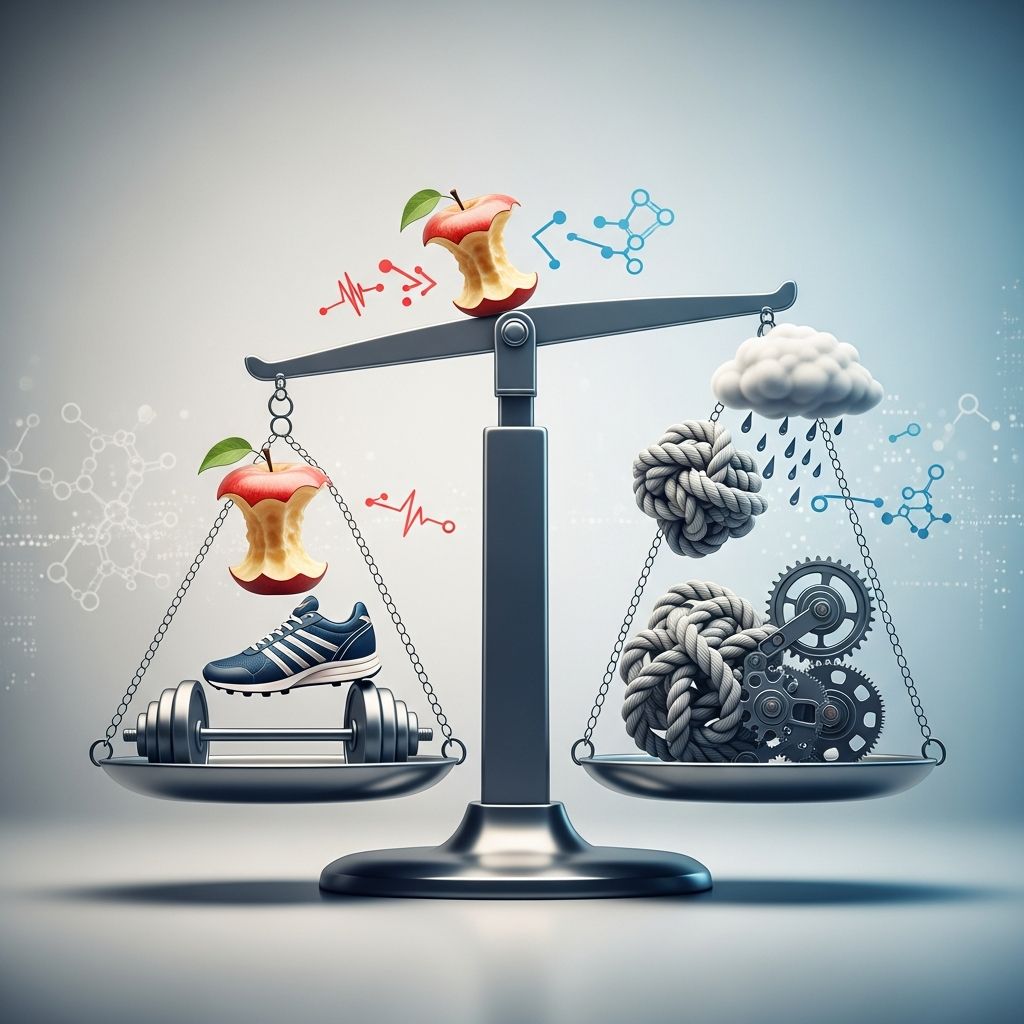
For decades, the weight loss industry has relied on a simple formula: consume fewer calories and burn more through exercise. This straightforward advice has been repeated by nutritionists, physicians, and fitness experts so often that it has become conventional wisdom. However, emerging research and real-world experience demonstrate that this approach is far more complicated than the basic mathematics suggest. While caloric balance remains relevant, the “eat less, move more” strategy fails for many people because it ignores the complex biological, psychological, and environmental factors that influence weight gain and loss.
The Oversimplification of Caloric Balance
The foundational problem with the “eat less, move more” approach lies in its oversimplification of human physiology. The human body is not a simple mathematical equation where calories in minus calories out equals weight change. Weight management involves intricate hormonal systems, metabolic adaptation, nutrient quality, and genetic predispositions that traditional calorie counting ignores.
When people drastically reduce calorie intake, their bodies don’t simply accept the deficit passively. Instead, the body activates multiple compensatory mechanisms designed to protect against starvation. These adaptations can counteract deliberate efforts to create a caloric deficit, making weight loss increasingly difficult over time.
Metabolic Adaptation and the Plateau Effect
One of the most significant challenges with severe calorie restriction is metabolic adaptation, commonly known as adaptive thermogenesis. When you consistently consume fewer calories than your body expends, your metabolism slows down to preserve energy. This isn’t a character flaw or lack of willpower; it’s a fundamental survival mechanism that has evolved over thousands of years.
- Your body reduces the calories it burns at rest
- Thyroid hormone production decreases
- Physical activity levels may unconsciously decrease
- Appetite-regulating hormones become dysregulated
This metabolic slowdown means that weight loss typically plateaus after several weeks or months of dieting. To continue losing weight, people must either eat even less or exercise more intensely—a cycle that becomes increasingly unsustainable and can damage long-term health.
The Hormonal Reality of Weight Regulation
Contemporary nutritional science has revealed that weight is largely controlled by hormonal systems rather than simple willpower or calorie counting. Several key hormones play essential roles in appetite regulation, energy expenditure, and fat storage.
Leptin and Ghrelin: The Hunger Hormones
Leptin, often called the “satiety hormone,” signals the brain when you’re full. Ghrelin, conversely, stimulates appetite and indicates to your body that it’s time to eat. When you consume a very-low-calorie diet, ghrelin levels increase while leptin levels decrease. This hormonal shift makes you feel hungrier and less satisfied after eating, making adherence to restrictive diets extraordinarily difficult.
Research demonstrates that attempting to override these biological signals through willpower alone is largely ineffective for most people. Fighting your hormones is a losing battle that leaves individuals feeling chronically hungry, fatigued, and deprived.
Insulin and Blood Sugar Regulation
Related Stories



Insulin, the hormone responsible for regulating blood sugar, also plays a crucial role in weight management. The quality and timing of the calories you consume significantly influence insulin levels. Highly processed, sugar-laden foods cause rapid spikes in blood sugar and insulin, promoting fat storage and subsequent hunger. In contrast, whole foods with adequate protein and fiber promote stable blood sugar and sustainable satiety.
The “eat less” approach often fails because it doesn’t address food quality. Someone could theoretically eat fewer calories while choosing predominantly processed foods, maintaining poor blood sugar control and persistent hunger despite reduced intake.
Why Exercise Alone Cannot Drive Weight Loss
While physical activity offers numerous health benefits, relying on exercise as the primary weight loss strategy often disappoints. Several factors explain why “move more” frequently fails to produce substantial weight loss.
Overestimating Exercise Calories Burned
Most people dramatically overestimate the number of calories burned during exercise. A 30-minute moderate-intensity workout might burn 200-300 calories, equivalent to a single pastry or sugary beverage. Yet many individuals believe their exercise entitles them to indulge in significantly more food, creating a net caloric surplus rather than the intended deficit.
Additionally, fitness trackers and gym equipment often overestimate calorie expenditure, further perpetuating this miscalculation.
Metabolic Adaptation to Exercise
Your body gradually adapts to consistent exercise routines. As fitness improves, the same workout becomes more efficient, burning fewer calories over time. This explains why initial weight loss from exercise often plateaus within several weeks.
Compensatory Behaviors
Research reveals that people often unconsciously compensate for exercise through increased food intake or reduced activity outside structured workouts. After an intense workout, individuals may feel entitled to treat foods or unconsciously move less throughout the remainder of the day, partially negating the exercise benefits.
The Psychological Toll of Restrictive Dieting
Beyond the biological challenges, the psychological aspects of extreme dietary restriction create significant obstacles to long-term success.
- Deprivation and Willpower Depletion: Rigid food rules and strict calorie counting require constant willpower. Research consistently demonstrates that willpower is a finite resource that depletes with use. Eventually, most people abandon restrictive approaches.
- Food Obsession: Restrictive dieting often intensifies food cravings and preoccupation with restricted foods, paradoxically increasing the likelihood of overeating when willpower fails.
- Binge-Restrict Cycles: The psychological stress of severe restriction often leads to binge-eating episodes, followed by guilt and renewed restriction attempts—a destructive cycle that typically results in weight gain over time.
- Emotional Eating: Restrictive diets don’t address the emotional factors that drive many people to overeat, including stress, boredom, loneliness, or trauma.
Individual Variability in Weight Loss Response
Another critical flaw in the “eat less, move more” approach is its assumption that all people respond identically to the same interventions. In reality, individual differences in genetics, metabolism, food sensitivities, and health conditions create vastly different outcomes for identical dietary and exercise interventions.
Genetic Factors
Genetic variations significantly influence how efficiently your body processes food and manages energy storage. Some people have genetic predispositions to retain weight more easily than others. This isn’t an excuse but rather a biological reality that standard dietary approaches often ignore.
Medical Conditions and Medications
Numerous medical conditions—including thyroid disorders, polycystic ovary syndrome (PCOS), insulin resistance, and depression—affect weight management. Similarly, many medications promote weight gain as a side effect. Prescriptive “eat less, move more” advice fails to account for these individual medical complexities.
What Actually Works for Sustainable Weight Loss
Rather than relying on oversimplified calorie restriction and excessive exercise, evidence-based approaches to weight management emphasize whole foods, sustainable lifestyle changes, hormonal health, and individualized strategies.
Prioritize Food Quality Over Quantity
Focusing on whole, unprocessed foods naturally promotes satiety and stable blood sugar without requiring obsessive calorie counting. Nutrient-dense foods contain more vitamins, minerals, and fiber per calorie, supporting better health outcomes and more satisfying meals.
Adequate Protein and Fiber Intake
Protein increases satiety and promotes muscle preservation during weight loss. Fiber supports digestive health, blood sugar stability, and fullness. Combining adequate protein with high-fiber foods naturally reduces overall calorie intake without the suffering associated with restriction.
Sustainable Physical Activity
Rather than exhausting exercise routines pursued unsustainably, focus on movement you genuinely enjoy—whether walking, dancing, sports, or strength training. Consistent, moderate activity improves health without the burnout and compensatory eating often associated with intense restriction.
Stress Management and Sleep
Chronic stress and sleep deprivation dysregulate hunger hormones, increase cravings for calorie-dense foods, and promote weight gain. Prioritizing stress management and adequate sleep supports weight management more effectively than food restriction alone.
Individualized Approaches
Working with healthcare providers to identify individual factors—food sensitivities, medical conditions, medication effects, psychological patterns—enables personalized strategies far more effective than one-size-fits-all prescriptions.
The Role of Behavioral and Environmental Factors
Weight management is significantly influenced by behavioral patterns and environmental design. Where you live, who you live with, your work environment, and your daily routines all influence eating patterns and activity levels far more than conscious willpower.
- Food availability and accessibility in your home environment
- Social and cultural factors surrounding food choices
- Stress levels and emotional regulation strategies
- Sleep quality and quantity
- Social support systems and community influences
Rather than relying on willpower to resist environmental temptations, modifying your environment to support healthier choices creates sustainable change requiring minimal ongoing effort.
Frequently Asked Questions
Q: Does calorie counting ever work for weight loss?
A: Calorie counting can work for some individuals, particularly when combined with attention to food quality and hormonal health. However, for many people, obsessive calorie tracking creates psychological stress and doesn’t address underlying metabolic issues. A less restrictive approach focusing on whole foods and adequate nutrition often proves more sustainable.
Q: How much exercise do I need to lose weight?
A: Exercise supports weight management and overall health, but weight loss primarily depends on food choices and overall caloric balance. The commonly recommended 150 minutes of moderate aerobic activity weekly provides health benefits independent of weight loss. Combining this with resistance training preserves muscle during weight loss and supports metabolic health.
Q: Why do I feel so hungry when dieting?
A: Severe calorie restriction increases ghrelin (hunger hormone) production while decreasing leptin (satiety hormone), creating genuine biological hunger signals. This isn’t a personal failure but rather your body’s protective mechanism. This is why less restrictive approaches focusing on nutrient-dense foods often prove more sustainable.
Q: Can I lose weight without exercising?
A: Yes. Weight loss primarily depends on food choices rather than exercise. While physical activity provides significant health benefits, someone can achieve weight loss through dietary modifications alone. However, combining moderate exercise with improved nutrition produces superior health outcomes.
Q: How long does it take to see weight loss results?
A: Sustainable weight loss typically occurs at a rate of 1-2 pounds weekly. Results depend on individual factors including current weight, dietary changes, activity level, and hormonal health. Initial results may appear within 2-4 weeks, though patience and consistency are essential for long-term success.
Q: Is it true that some people have naturally faster metabolisms?
A: Yes. Metabolic rate varies among individuals due to genetics, age, body composition, and health conditions. However, everyone can improve metabolic health through strength training, adequate protein intake, quality sleep, and stress management regardless of genetic predisposition.
Conclusion
The “eat less, move more” approach to weight loss oversimplifies human physiology and ignores the complex hormonal, psychological, and environmental factors that truly influence weight management. Metabolic adaptation, hormonal dysregulation, individual variability, and psychological stress all contribute to why this approach fails for many people.
Sustainable weight loss requires a more nuanced approach emphasizing food quality, hormonal health, individualized strategies, and lifestyle modifications that you can maintain indefinitely. Rather than fighting your biology through willpower and restriction, working with your natural physiology through whole foods, adequate nutrition, enjoyable movement, and stress management creates lasting results without the suffering associated with traditional dieting.
References
- Metabolic Adaptation During Weight Loss — American Journal of Clinical Nutrition. 2023. https://academic.oup.com/ajcn
- Hormonal Regulation of Energy Balance and Weight Loss — National Institutes of Health. 2024. https://www.nih.gov
- The Role of Ghrelin and Leptin in Appetite Control — PubMed Central. 2023. https://www.ncbi.nlm.nih.gov/pmc
- Physical Activity and Weight Management: A Comprehensive Review — Cochrane Library. 2024. https://www.cochranelibrary.com
- Food Quality and Metabolic Health — Harvard School of Public Health. 2024. https://www.hsph.harvard.edu
- Sleep, Stress, and Weight Gain Relationships — Sleep Health Journal. 2023. https://www.sleephealth.org
Similar Articles








Read full bio of Sneha Tete